
Last updated November 22, 2026
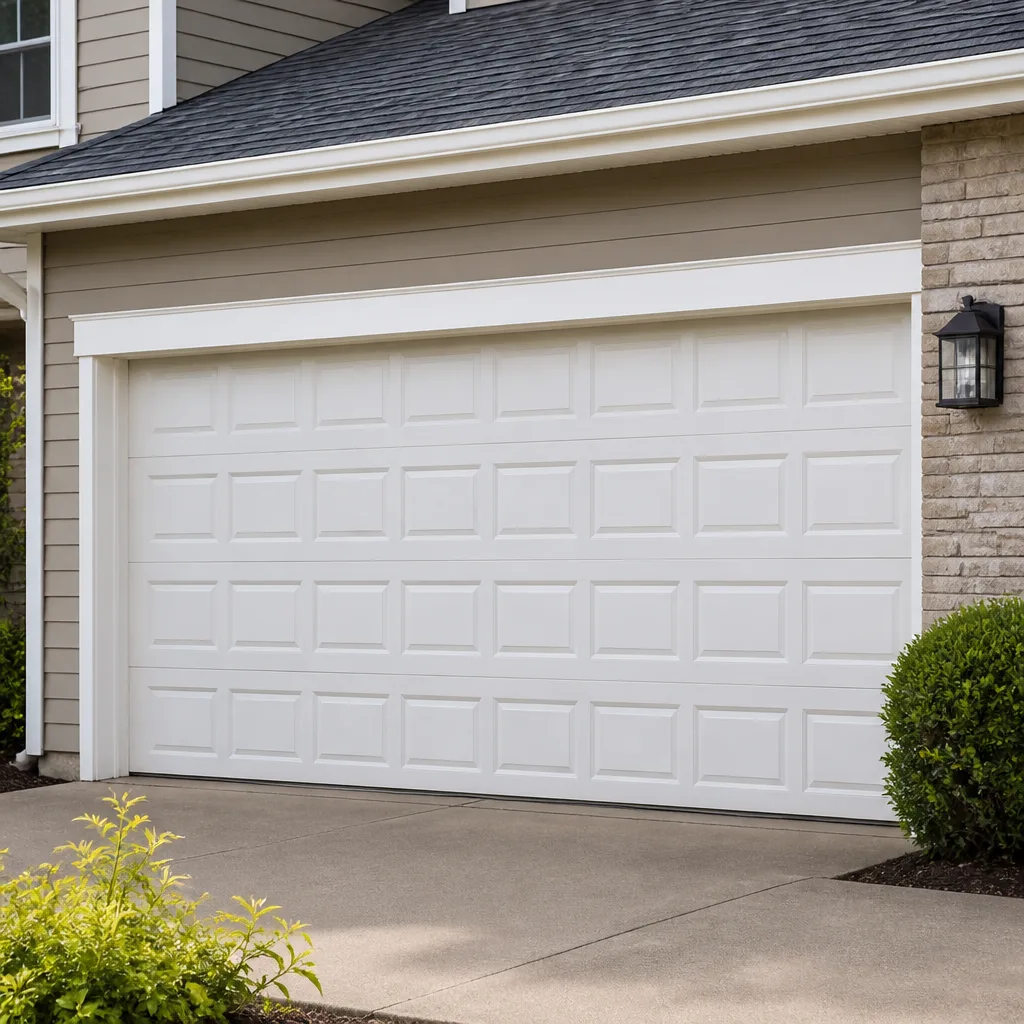 Raised-panel steel
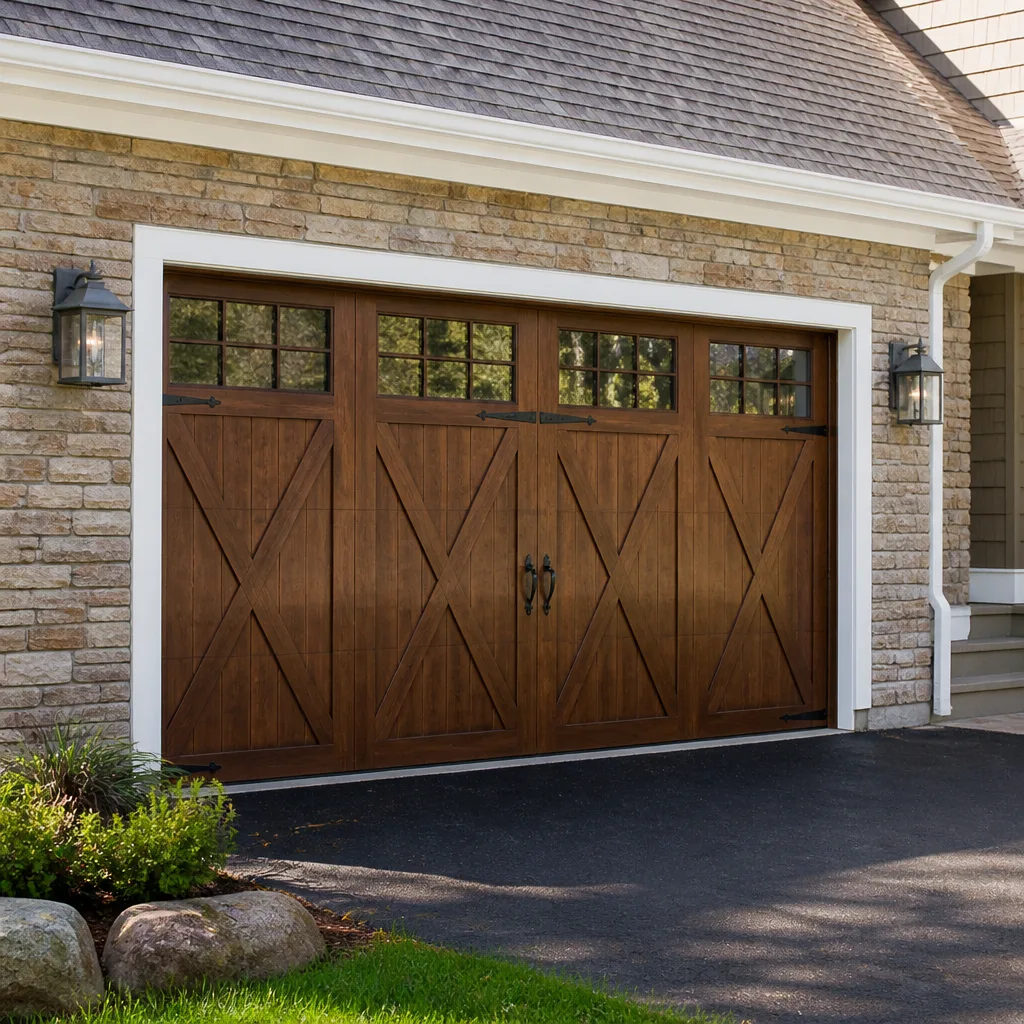 Carriage house
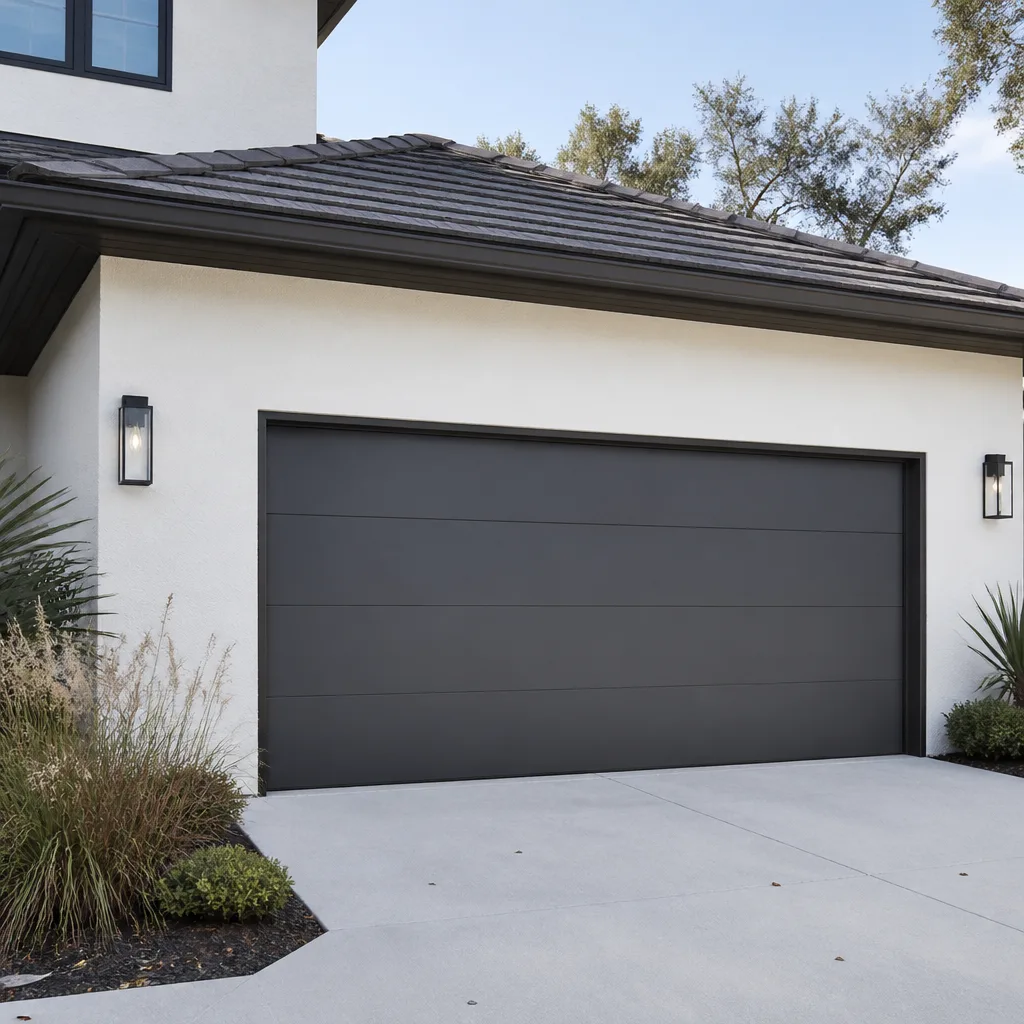 Modern flush
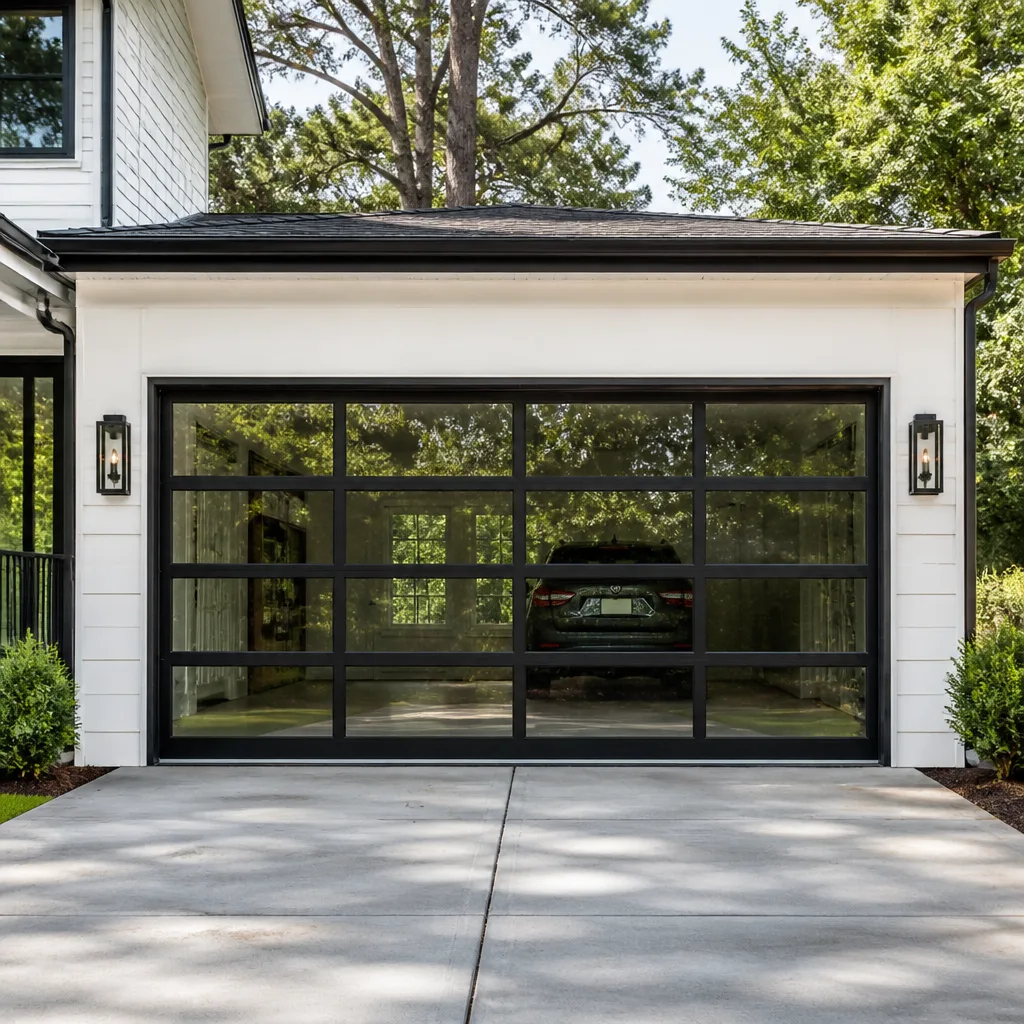 Full-view glass
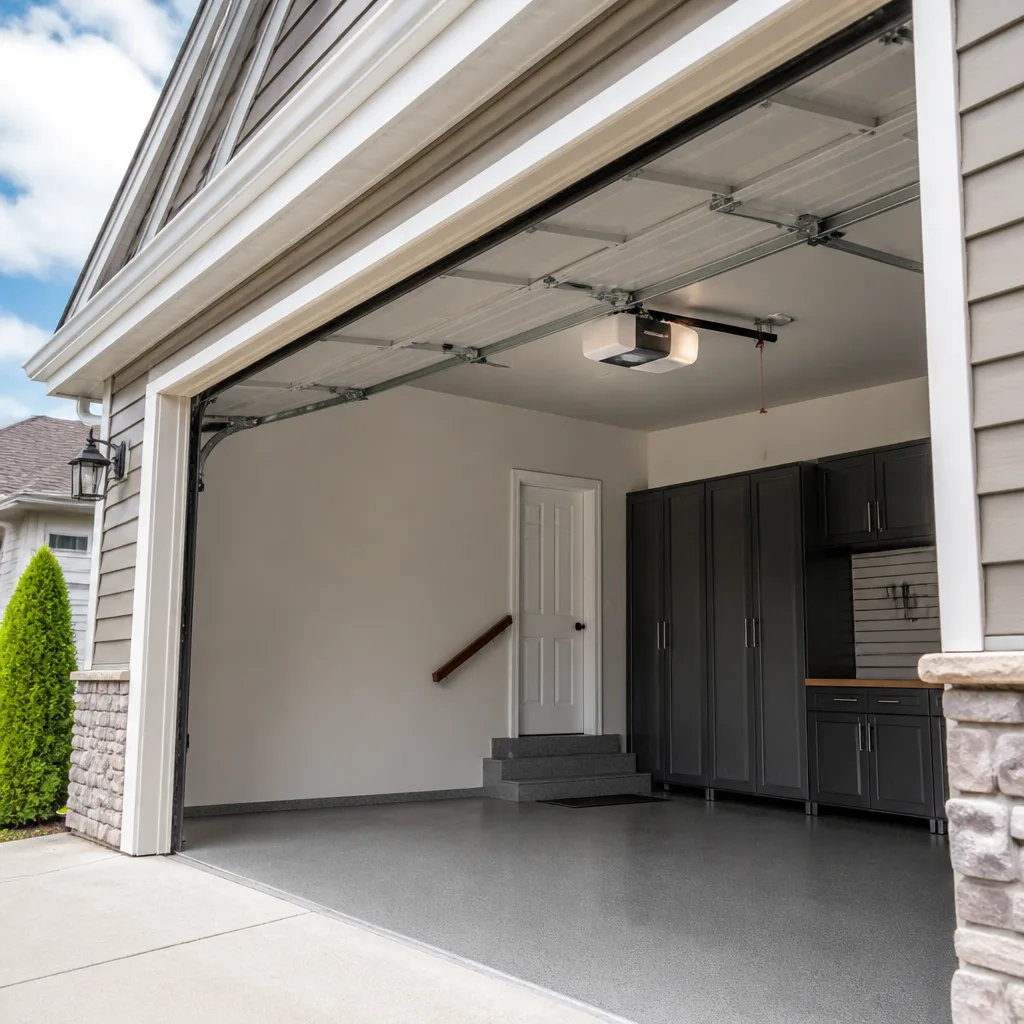 LiftMaster openers
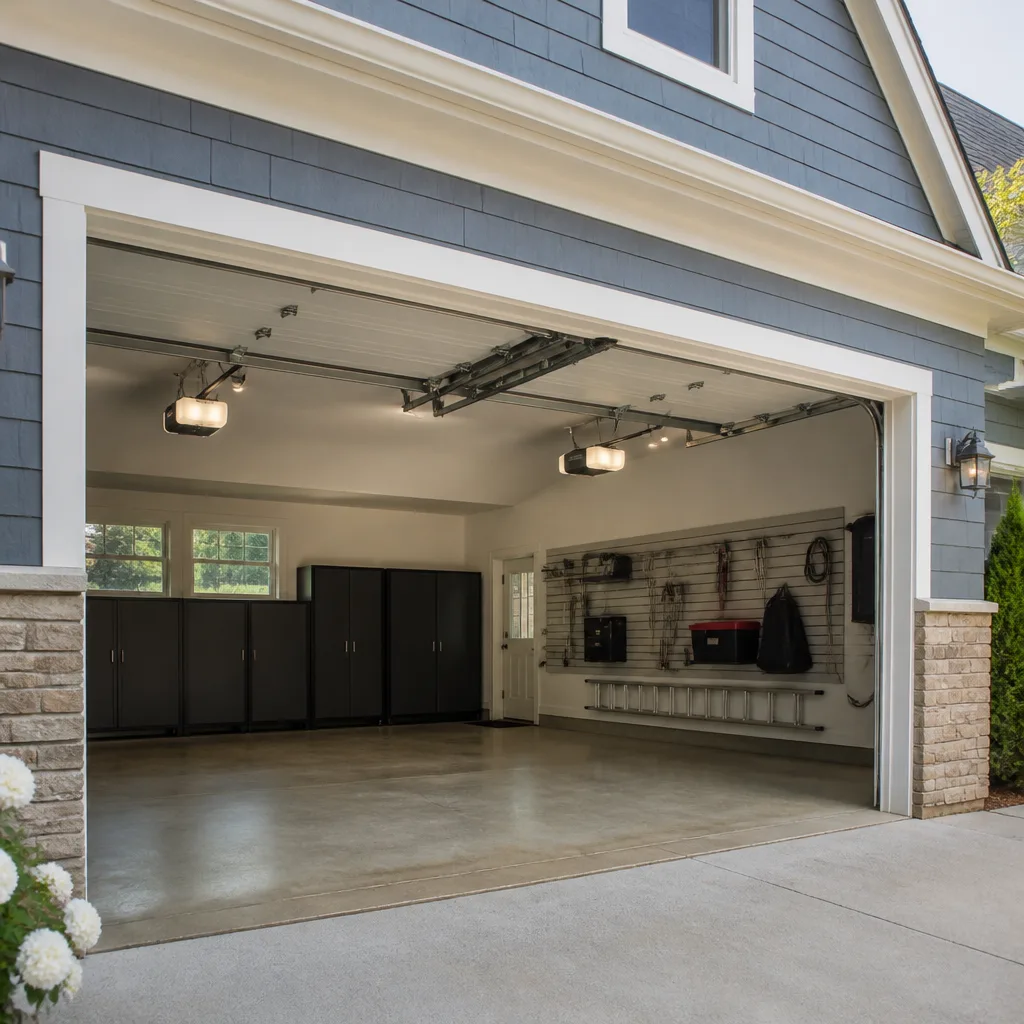 Chamberlain openers
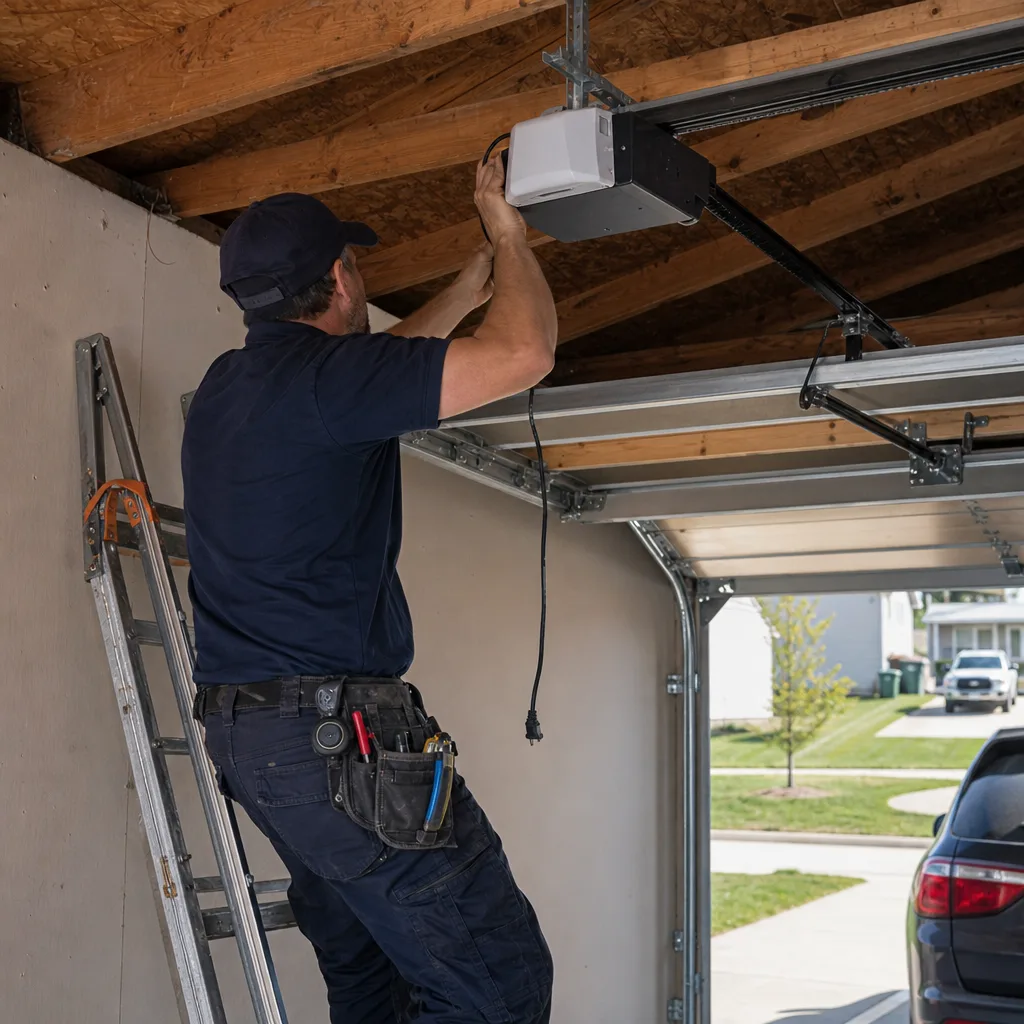
Full 25-point door and opener safety check with every visit - springs, cables, rollers, tracks, and your LiftMaster or Chamberlain opener included
You get a price before we start. It does not change when the pro arrives.
Get your free estimateThe Complete Guide to Garage Doors in Plainfield
Your garage door has more moving parts than your HVAC system and cycles roughly 1,500 times a year, yet most homeowners can’t name three of its components until something snaps at 7 a.m. That’s the odd thing about the largest moving object in your house: it gets treated like an appliance instead of the mechanical system it actually is. This guide breaks that system down part by part, explains how Plainfield’s clay-heavy soil and freeze-thaw swings affect it, covers the brands you’ll actually find in local subdivisions, and shows you how to read your door’s condition before you ever pick up the phone.
Quick Answer
A garage door is a balanced mechanical system made of torsion springs, cables, rollers, tracks, hinges, panels and an opener, and each part has a predictable failure pattern and lifespan. In Plainfield, clay soil and freeze-thaw cycles shift garage floors and door alignment over time, so parts wear differently here than in sandier ground. Knowing the components and their warning signs lets you fix small problems early and recognize the ones that need a trained technician.
Styles & brands we work with
- Raised-panel steel
- Carriage house
- Modern flush
- Full-view glass
- LiftMaster openers
- Chamberlain openers
Table of Contents
- The Components of a Garage Door System
- How Long Each Part Lasts
- How Plainfield’s Soil and Freeze-Thaw Cycles Affect Your Door
- Single-Car vs. Double-Car Door Loads
- Which Brands You’ll Find in Plainfield Subdivisions
- The Opener: Logic Boards, Safety Sensors and Drive Systems
- How to Read Your Door’s Condition Before You Call
- Common Mistakes to Avoid
The Components of a Garage Door System
A sectional garage door relies on several parts working together, and each one has a job. When a door fails, the cause is almost always one component taking out another: a worn roller misaligns a track, a stretched cable drops a corner, a tired spring overloads the opener. Understanding what each part does is the first step toward knowing what’s wrong.
- Torsion springs – Mounted on a shaft above the door, these coiled springs store the energy that counterbalances the door’s weight. They do the heaviest lifting in the system, and they’re the most dangerous part to handle.
- Cables – Steel cables run from the bottom corners of the door up to drums at each end of the spring shaft. They transfer spring tension to the door and keep it level as it travels.
- Rollers – These small wheels ride inside the vertical and horizontal tracks. Nylon rollers run quieter than steel, and worn rollers cause most of the rattling and shaking people notice.
- Tracks – The vertical and curved horizontal rails that guide the door. A bent track throws off alignment and can stall the door mid-travel.
- Hinges and panels – Hinges join the sections; the panels themselves carry the load. Dents and bent sections stress the rollers and springs that compensate for them.
- Opener and logic board – The motor, drive system and circuit board that raise and lower the door, plus the safety sensors near the floor.
We work on every layer of this assembly, from the door itself to the mechanical opener system, because problems rarely stay in one place. That full-system view is why we can usually tell the customer what failed and why before we touch a tool.
How Long Each Part Lasts
Every component has a service life, and knowing the typical range helps you plan instead of react. These are general industry ranges for a door used a few times a day; heavy use shortens them.
- Torsion springs: 7 to 12 years in normal use. This is the part most likely to fail first.
- Cables: 10 to 15 years, and a frayed or kinked cable should be replaced regardless of age.
- Rollers: 5 to 10 years. Nylon outlasts steel and runs quieter.
- Tracks: 15 to 20 years if nothing bends them.
- Openers: 10 to 15 years for the motor; the logic board inside often goes sooner.
Torsion springs are the highest-risk part in the system, and we say that plainly: they store tremendous force, and a spring that lets go can cause serious injury. Our technicians handle spring work with the right training and tools, and we’d tell any homeowner the same thing we tell our own families – leave the spring work to someone equipped for it.
When a spring breaks, it’s a job for garage door spring repair, not a DIY project. Lighter parts like rollers and hinges are the ones homeowners can tackle safely with a ladder and a screwdriver.
How Plainfield’s Soil and Freeze-Thaw Cycles Affect Your Door
Plainfield sits on clay-heavy soil, and that matters more than most homeowners realize. Clay holds water and swells when wet, then shrinks in dry spells, and the freeze-thaw swings of a Hendricks County winter push that movement further. The result is gradual settling and shifting around foundations and garage floors.
What does that mean for your door? As a garage floor settles or heaves, the door’s alignment drifts with it. A door that closed cleanly two winters ago may now bind in one corner, rub against a track, or leave a gap at the bottom. Uneven floors also throw off the opener’s travel limits, so the door may stop short or close harder than it should. None of that is the opener’s fault, but it gets blamed for it constantly.
We factor local ground movement into every Plainfield diagnosis. When we adjust tracks, we account for the drift we know comes with the seasons here, and we check the bottom seal and floor contact along with the mechanical parts. A door that needs a fresh adjustment after a hard freeze is normal in this part of Indiana, not a sign that something is fundamentally wrong.
Single-Car vs. Double-Car Door Loads
A double-car garage door weighs roughly twice what a single does, sometimes more, depending on the construction and insulation. But the load doesn’t just double. It grows in ways that change how the door fails and how much it costs to fix.
- Spring load: A double door needs heavier springs or a pair working together, so when one spring goes, the remaining spring carries the full load briefly. That’s why a double door should have both springs replaced as a matched pair.
- Torque on the opener: The opener works harder to move a wider, heavier door, and a worn opener on a double door is more likely to struggle or stall.
- Track stress: Wider doors put more torque on the tracks and brackets, so alignment issues show up sooner.
- Panel weight: Insulated double doors are heavier still, which raises the spring and opener demands.
When a customer with a double door tells us the door “feels heavy” or the opener “strains,” we check the spring pair and the balance before doing anything else. A double door that’s out of balance is a bigger safety issue than a single, because there’s more weight to drop and more hardware under load.
Which Brands You’ll Find in Plainfield Subdivisions
Plainfield has grown quickly, and its subdivisions show a mix of builder-installed and replacement systems. Walk through neighborhoods like Avon Commons, Canterbury and Windgate and you’ll see the same names again and again.
On the door side, Clopay and Amarr dominate builder stock, with Wayne Dalton and Raynor showing up on many homes as well. On the opener side, LiftMaster and Chamberlain are the most common around Plainfield, and Genie and Craftsman round out the field. Raynor doors often pair with LiftMaster openers in this market, which is a combination we see constantly.
Why does this matter to you? Parts availability. Knowing you have a LiftMaster opener or a Clopay door tells us what we’ll likely find when we open the unit up, and it means we can get the right replacement parts without guesswork. We work with all eight of the leading residential brands – LiftMaster, Chamberlain, Genie, Clopay, Amarr, Wayne Dalton, Craftsman and Raynor – so whatever’s on your house, we’ve worked on it before. When you call, having your door and opener brand handy helps us prepare.
For common opener issues, our garage door opener repair page covers the diagnostics in more detail.
The Opener: Logic Boards, Safety Sensors and Drive Systems
The opener is where most calls start, and it’s usually the most misunderstood part of the system. A door that won’t respond doesn’t automatically mean the opener is dead. In our experience, a good share of “dead opener” calls turn out to be something simpler.
- Check the power and the wall button. A tripped breaker or a loose wall-station wire will look exactly like a failed opener.
- Check the safety sensors. If the sensors near the floor are misaligned, dirty or blocked, the door won’t close. The light on the opener will usually blink to signal this.
- Check the logic board. If the opener clicks but doesn’t move, or behaves erratically, the board may have failed. This is a common failure point and a straightforward repair.
- Check the drive system. Belt, chain and screw drives wear differently. A stripped gear or a stretched belt will cause the motor to run without moving the door.
Safety sensors deserve a special mention. They’re a genuine safety feature that stops a closing door on contact, and they should never be bypassed or taped over. If a sensor is failing repeatedly, the fix is proper alignment or replacement, not a workaround. We diagnose at every layer – door, hardware and opener – so we don’t replace an opener when the real problem is a spring, or vice versa.
How to Read Your Door’s Condition Before You Call
You don’t need tools to do most of this. A quick walk-around tells you whether you have a small adjustment ahead or a repair, and it makes the call to a technician faster and more useful.
- Watch the door travel. Stand clear and operate the door. It should move smoothly and quietly. Jerking, sticking or a hard stop at the top or bottom points to balance or track issues.
- Listen. A rattle or squeal often means rollers or hinges need attention. A bang or snap means something mechanical has let go.
- Test the balance. With the door closed, pull the release handle to disconnect the opener. Lift the door by hand. It should move easily and stay roughly where you leave it. A door that feels heavy or slams down needs a spring check – stop testing at that point and call a professional.
- Look at the springs and cables. From a safe distance, look for a visible gap in a torsion spring or a frayed cable. Don’t touch them. A broken spring or damaged cable is a call-out, not a DIY inspection.
- Check the seal and floor contact. A visible gap at the bottom lets in water, cold air and insects, and it usually signals an alignment issue.
- Look at the tracks. Dents or bends are easy to spot. Don’t try to bend a track back yourself – it’s harder than it looks and often makes the alignment worse.
If you find a broken spring, a frayed cable or a door that’s off its track, stop and call. Our garage door repair service handles those on a priority basis. Call (866) 371-6990. We answer 24/7. Fast dispatch from 7am to 7pm, Sunday through Friday.
Common Mistakes to Avoid
- Replacing one spring when both fail together. A matched pair wears at the same rate, so replacing one leaves the other ready to fail. On a double door, replace the pair so you’re not back where you started in a few months.
- Bypassing the safety sensors to keep the door working. It “fixes” the symptom but removes the shutoff that protects kids, pets and cars. Realign or replace the sensors instead.
- Calling a general handyman for a spring or cable job. The spring system is the most dangerous part of the door, and trained specializing technicians have the right tools and training. That’s not a job for someone who’ll figure it out on the fly.
- Ignoring a door that suddenly makes new noises. A new rattle or squeal in a Plainfield winter is often the first sign that freeze-thaw movement has thrown the tracks off. Addressing it early costs less than waiting for a failure.
- Bending a bent track back into place. Tracks are easy to kink further, and a homemade fix usually leaves the door misaligned. Replacing the section is the lasting repair.
- Buying a new opener when the door just needs an adjustment. It’s a common waste of money. Diagnose the balance first before you spend on a replacement opener.
- Waiting after a hard freeze to check the door. If a door that usually sounds fine now struggles, a quick check and adjustment is far cheaper than waiting for a spring or opener to fail.
See the difference
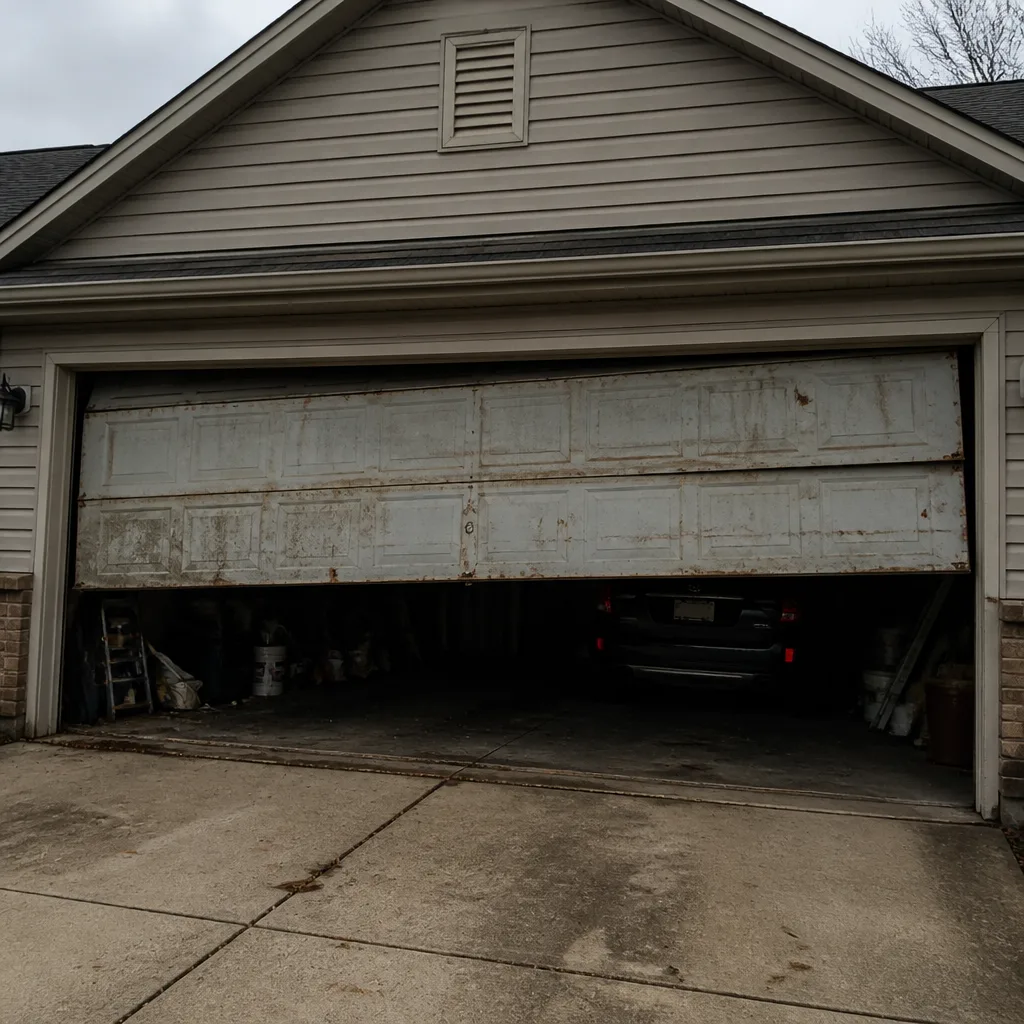 Before
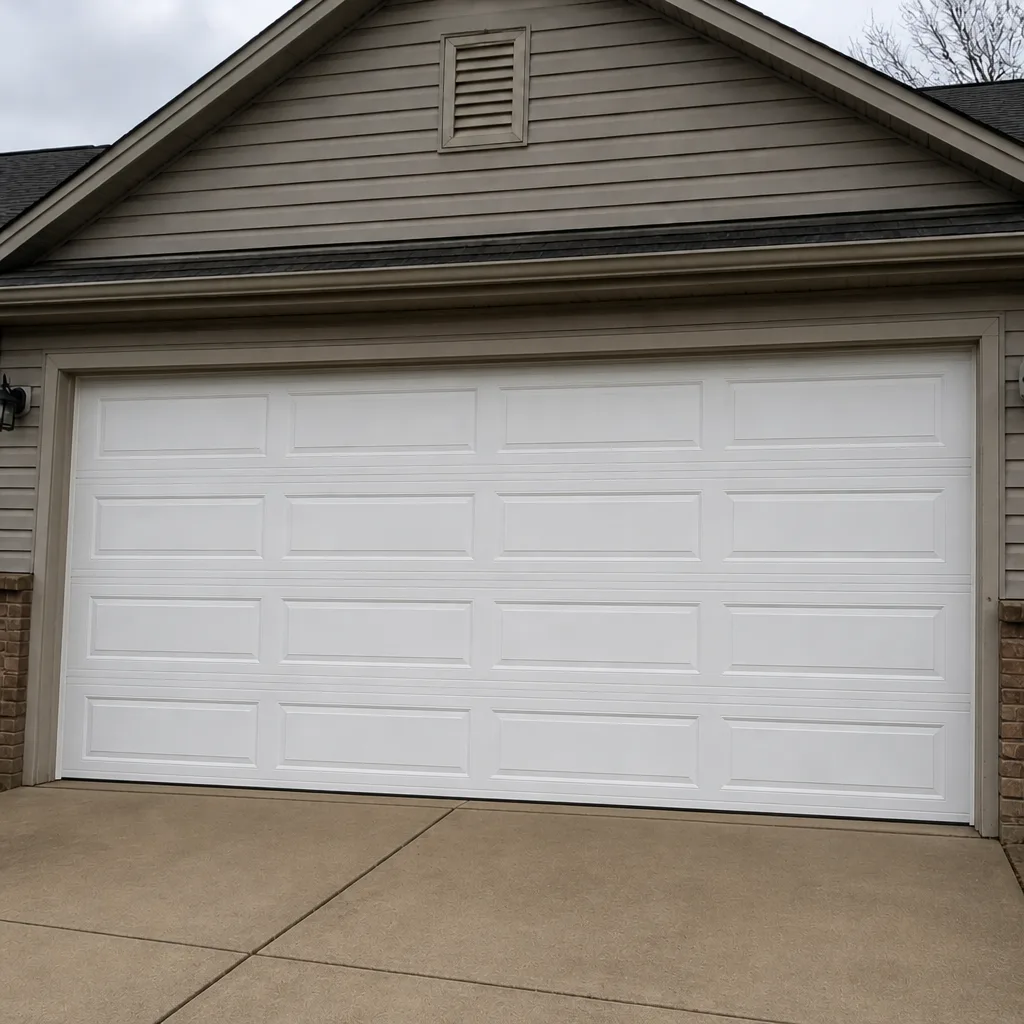 After
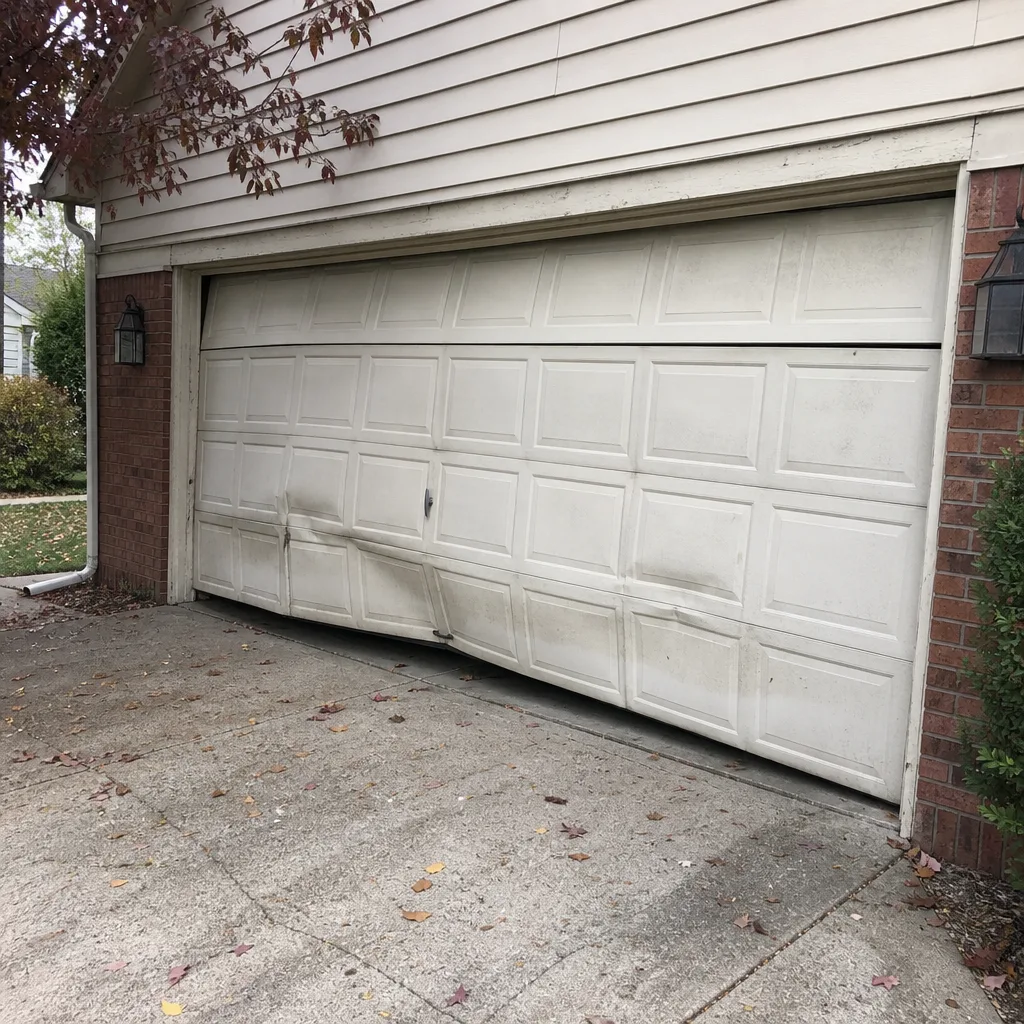 Before
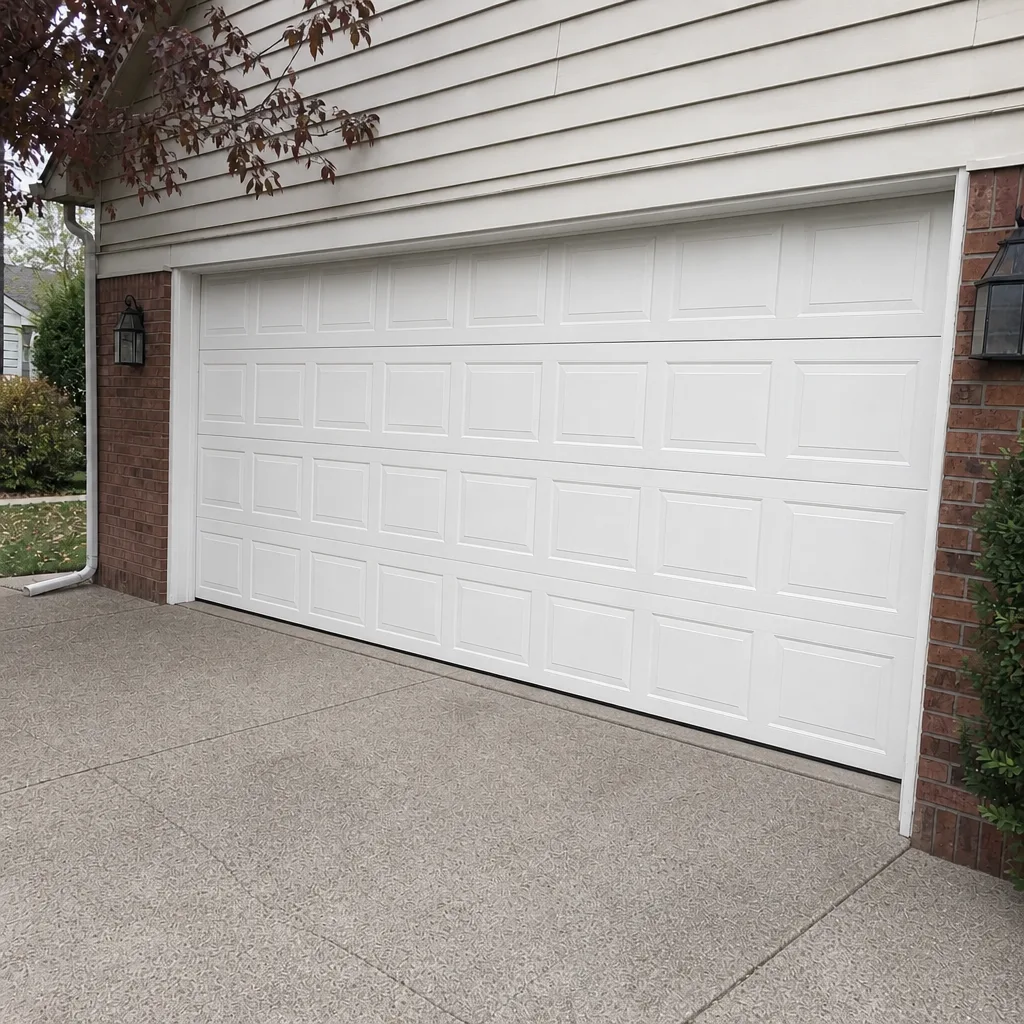 After
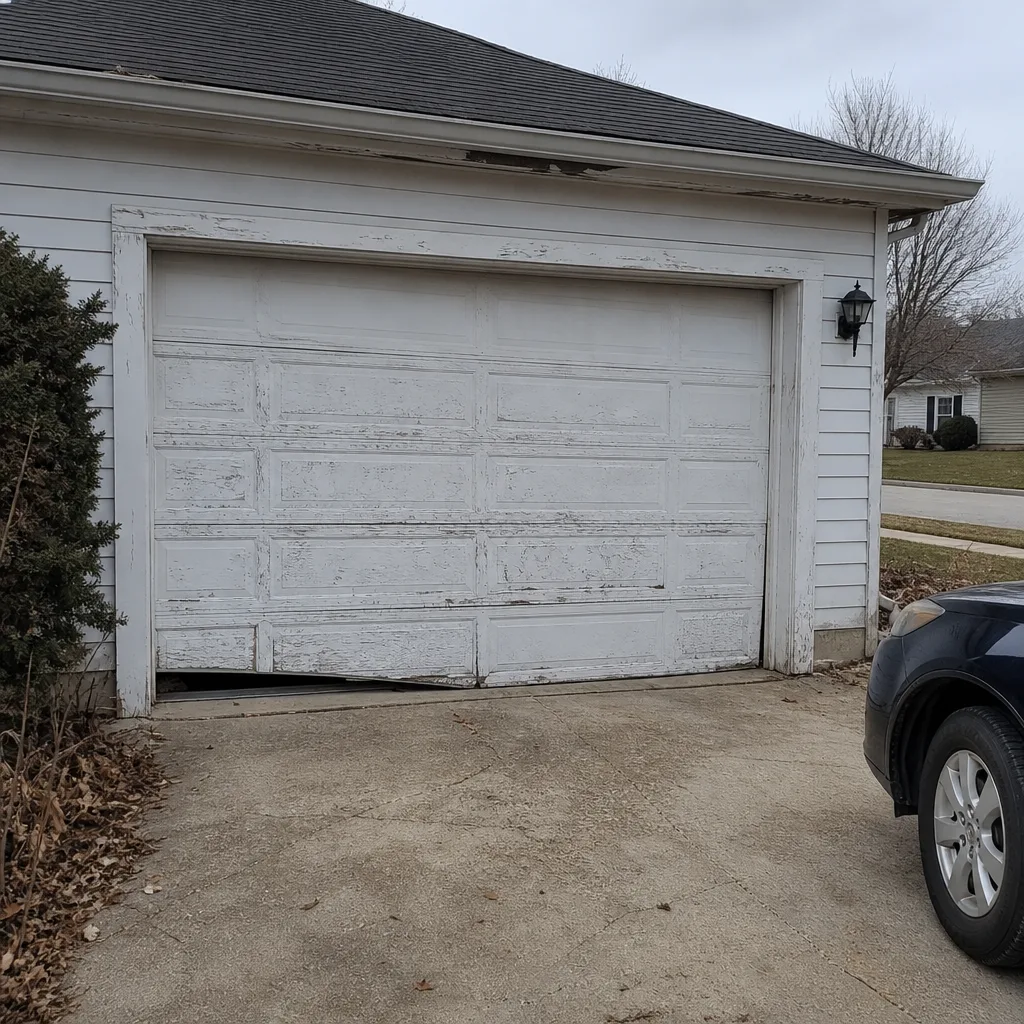 Before
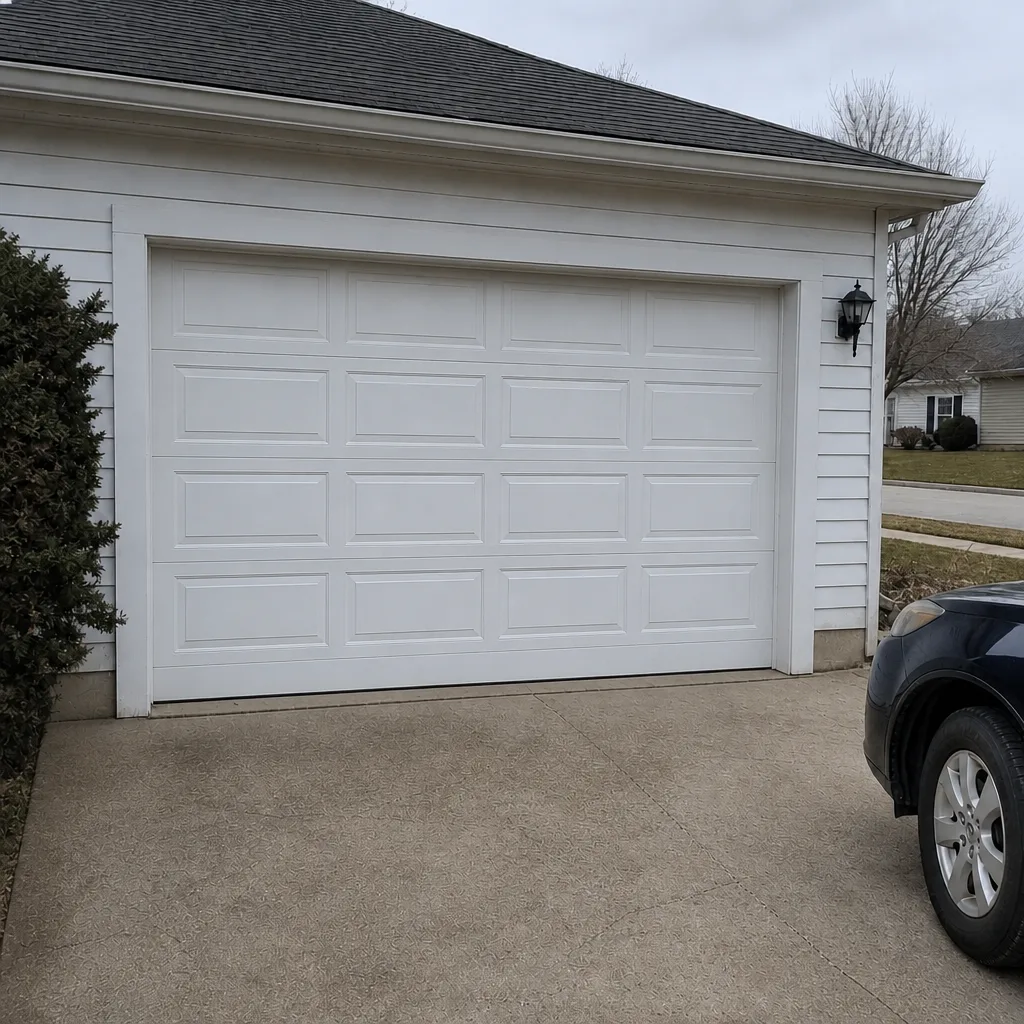 After
When to Call a Professional
Call a technician the moment you see a broken spring, a frayed or kinked cable, a door hanging crooked, or a door that’s come off its tracks. Those are genuine safety issues that need proper handling. Call when the opener runs but the door doesn’t move, when the door won’t close and the sensors look fine, when a double door feels heavy, or when the door needs a full adjustment and you’re not sure what’s wrong. In our experience, the Plainfield homeowners who call early spend less overall, because they catch a small problem before it becomes a big one. Plainfield Garage Door Repair Experts offers free estimates in Plainfield – call (866) 371-6990. We answer 24/7. Fast dispatch from 7am to 7pm, Sunday through Friday.
Frequently Asked Questions
A broken torsion spring is the most common cause, and it’s the part that fails first on most doors here. The spring carries the door’s weight, so when it breaks, the door either won’t open or slams down hard. Call (866) 371-6990 for a free estimate and we’ll tell you what’s wrong and what it costs to fix.
A door should be checked once a year, and sometimes about the time the seasons turn in Plainfield. Freeze-thaw cycles and clay soil can shift alignment during the year, so an annual check catches worn rollers, loose hinges and balance issues before they turn into a failure. Call us and we’ll set up a checkup; estimates are free.
No. Torsion springs store tremendous force and are the most dangerous part of the system. A spring that lets go can cause serious injury, and handling one without proper training and tools is a real risk. Our technicians handle this with the right equipment. Call (866) 371-6990 for a free estimate.
A crooked door usually means a worn spring on one side, a stretched or frayed cable, or tracks that have shifted out of alignment. In Plainfield, settling floors often contribute to the problem. Don’t force the door. Call us and we’ll find out which part is causing it. Estimates are free at (866) 371-6990.
We work on LiftMaster, Chamberlain, Genie and Craftsman openers, plus Raynor, Clopay, Amarr and Wayne Dalton doors. If your house is in Plainfield or anywhere in Hendricks County, the brand on your door is one we’ve seen before. Call (866) 371-6990 for a free estimate.
Stop operating it. If it’s stuck on the tracks or one side is hanging, forcing it will make the damage worse and could be dangerous. Pull the release only if you can lift the door by hand safely; if it feels heavy, don’t. Call Plainfield Garage Door Repair Experts at (866) 371-6990. We answer 24/7. Fast dispatch from 7am to 7pm, Sunday through Friday.
The Bottom Line
Your garage door is a system, not a single part, and it rewards a little knowledge. Torsion springs fail first, cables and rollers wear on a predictable schedule, and Plainfield’s clay soil and freeze-thaw swings put local drift on top of the normal wear. Double doors carry more than double the load, and the brands you’ll find in Avon Commons, Canterbury and Windgate are the same eight we work on every day. Read your door’s condition with the self-check above, call when you spot a broken spring, frayed cable or crooked travel, and trust that a dedicated specialist will get it right the first time. Call (866) 371-6990 for a free estimate and we’ll take it from there.
Written by the team at Plainfield Garage Door Repair Experts.