
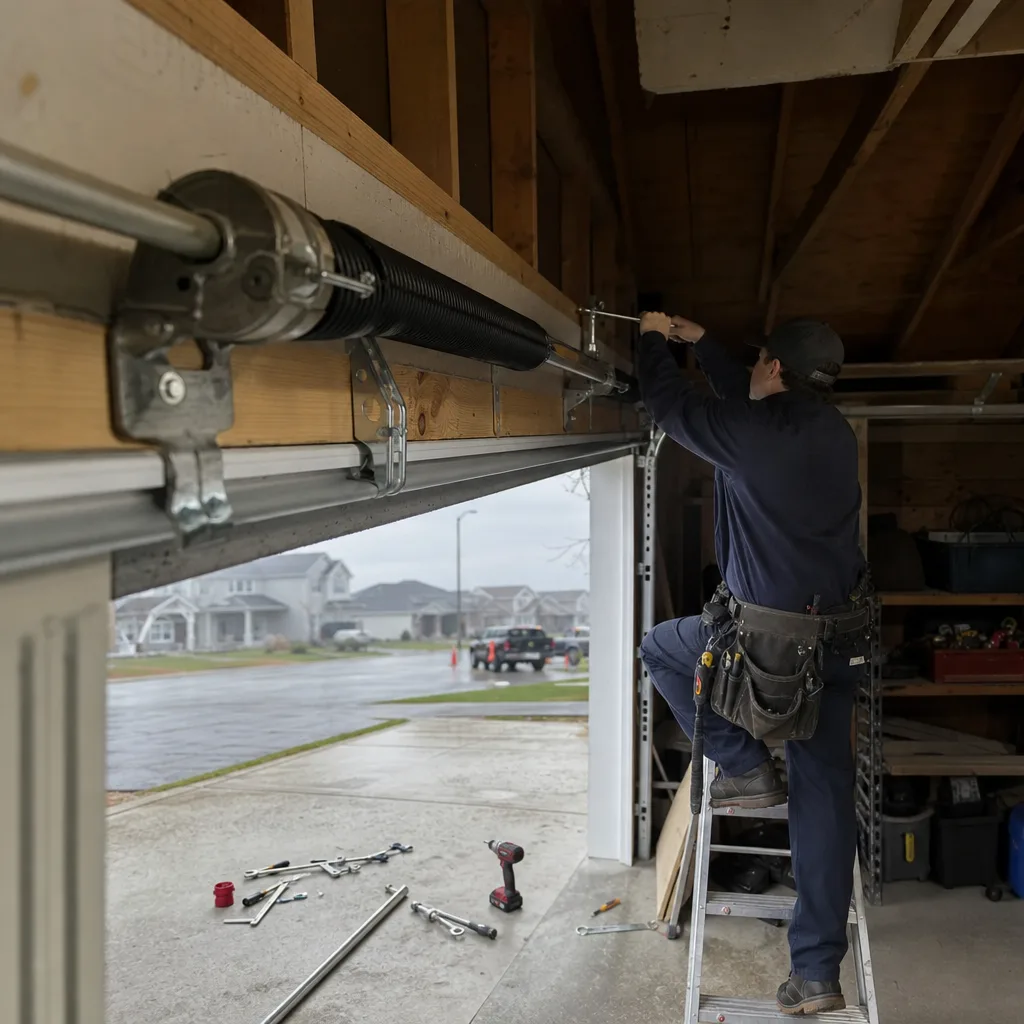
Last updated November 22, 2026
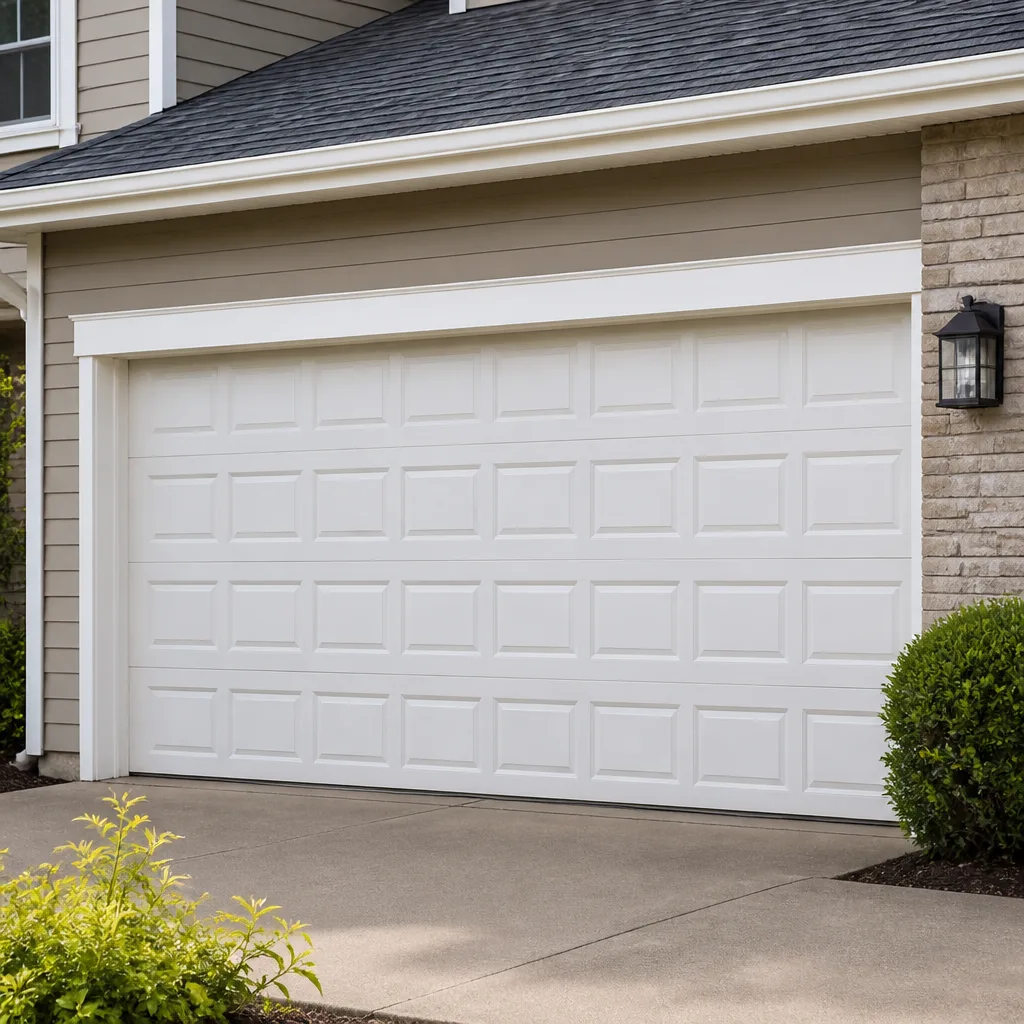 Raised-panel steel
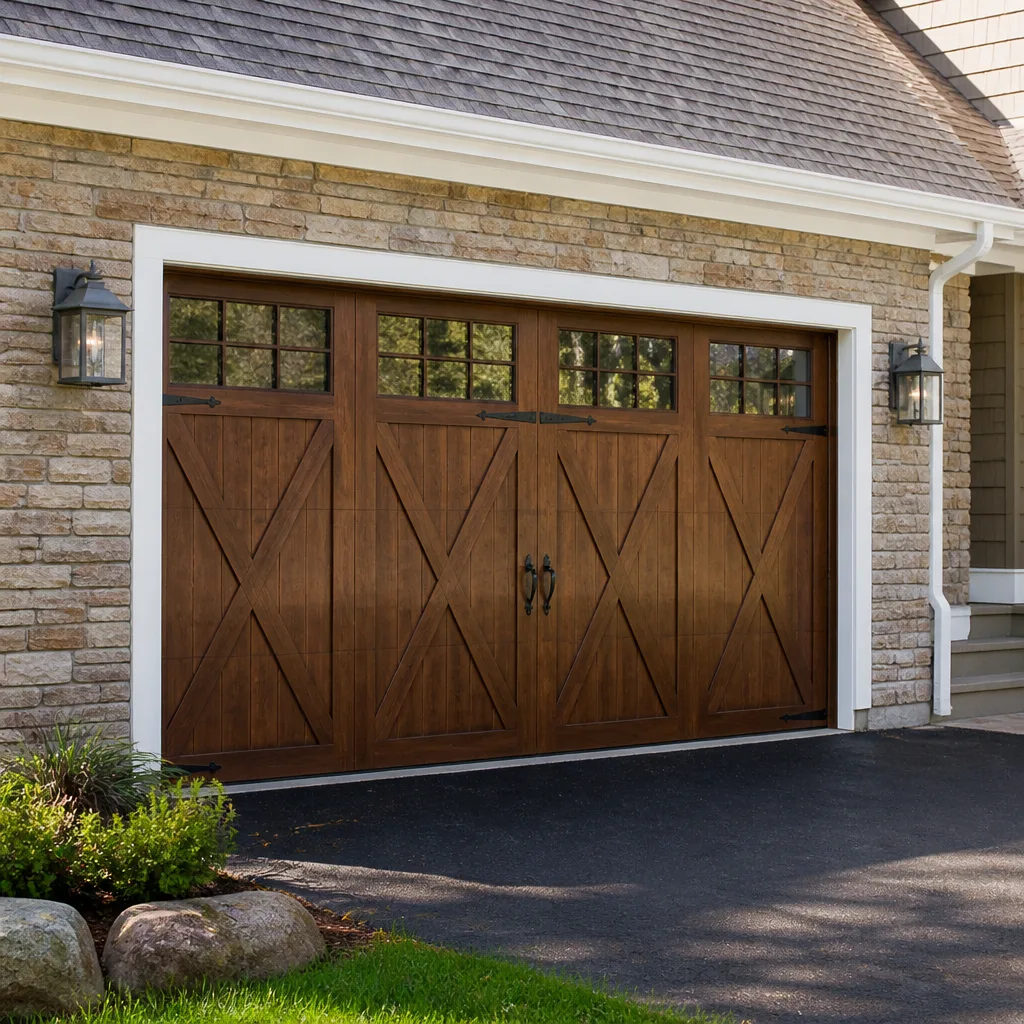 Carriage house
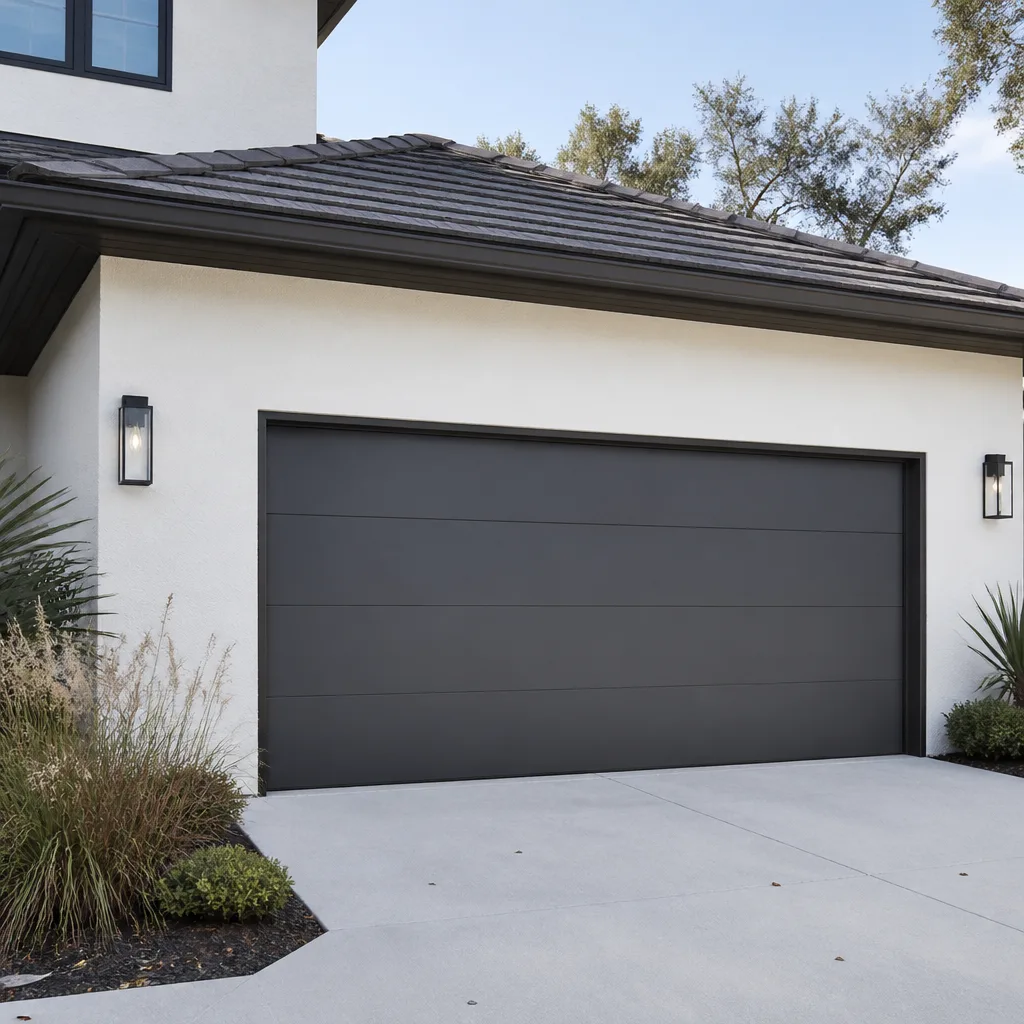 Modern flush
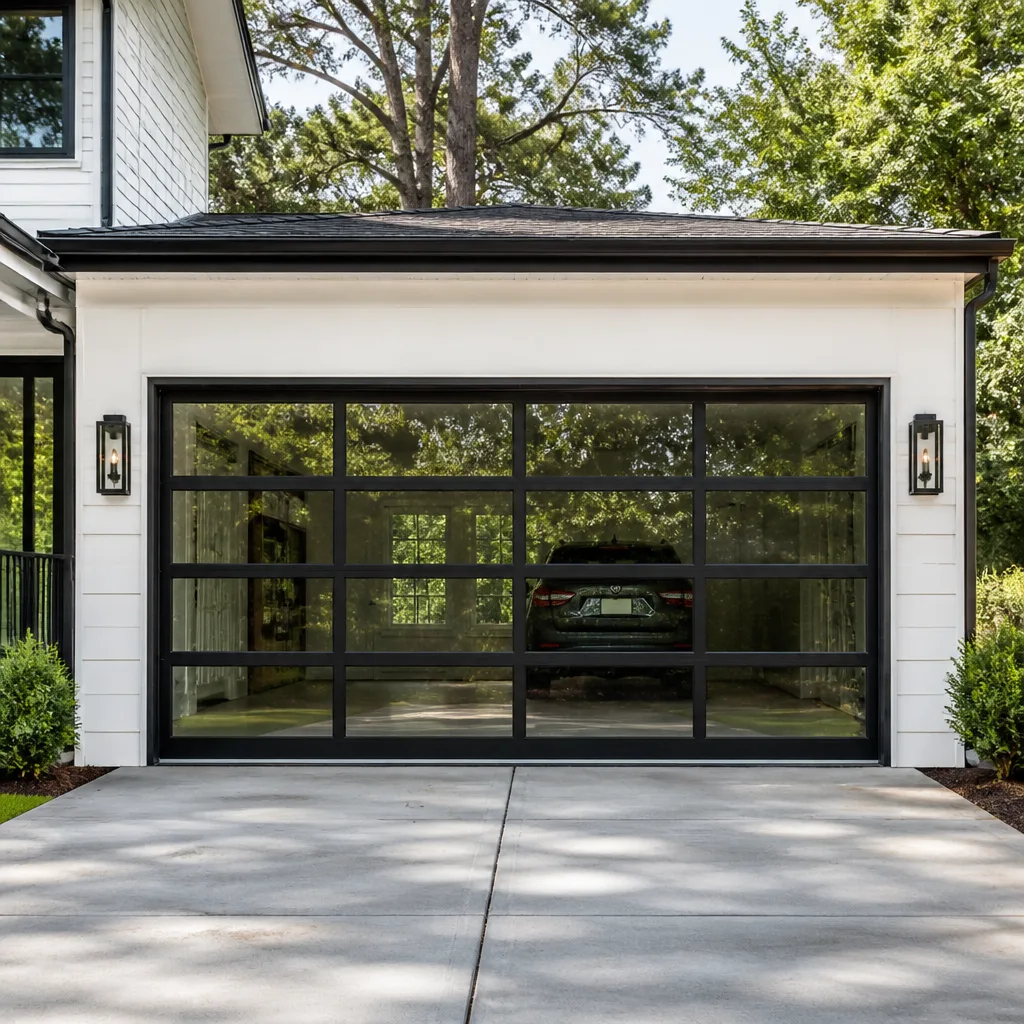 Full-view glass
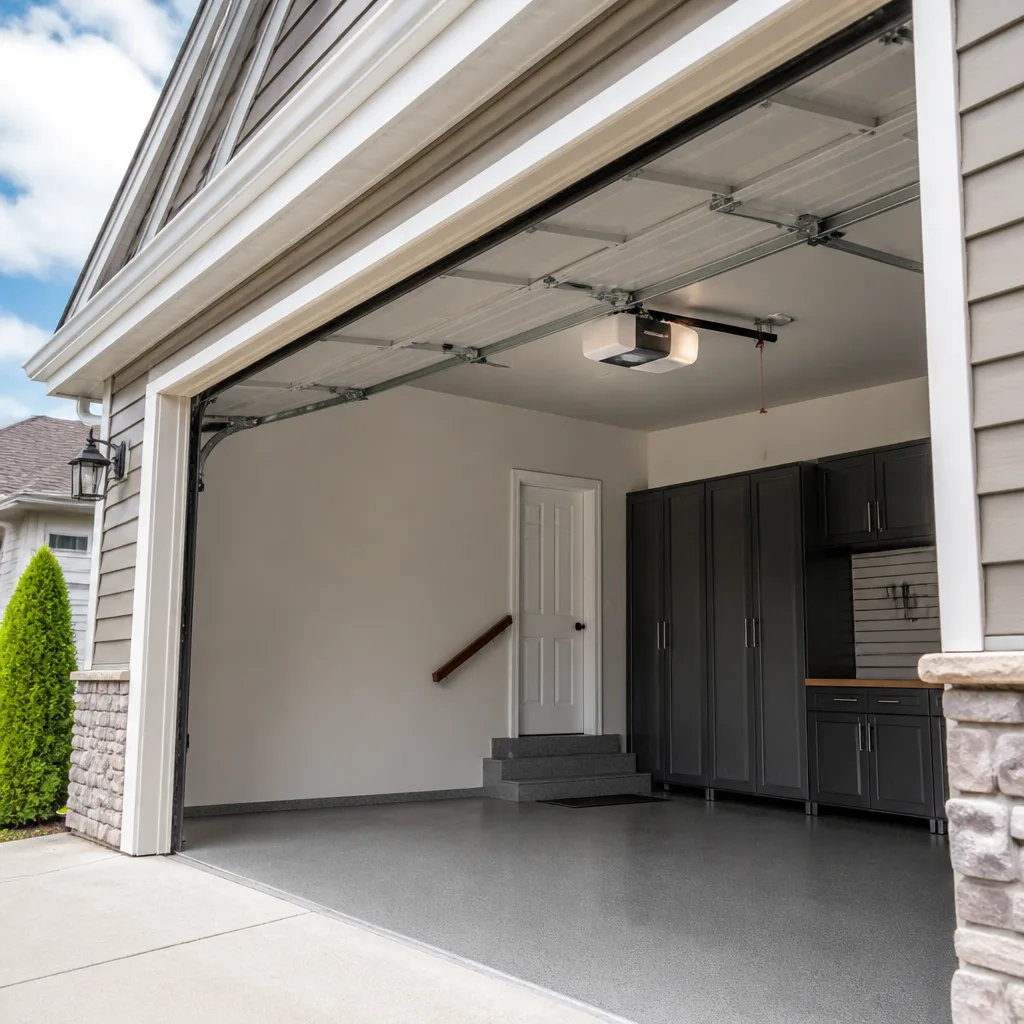 LiftMaster openers
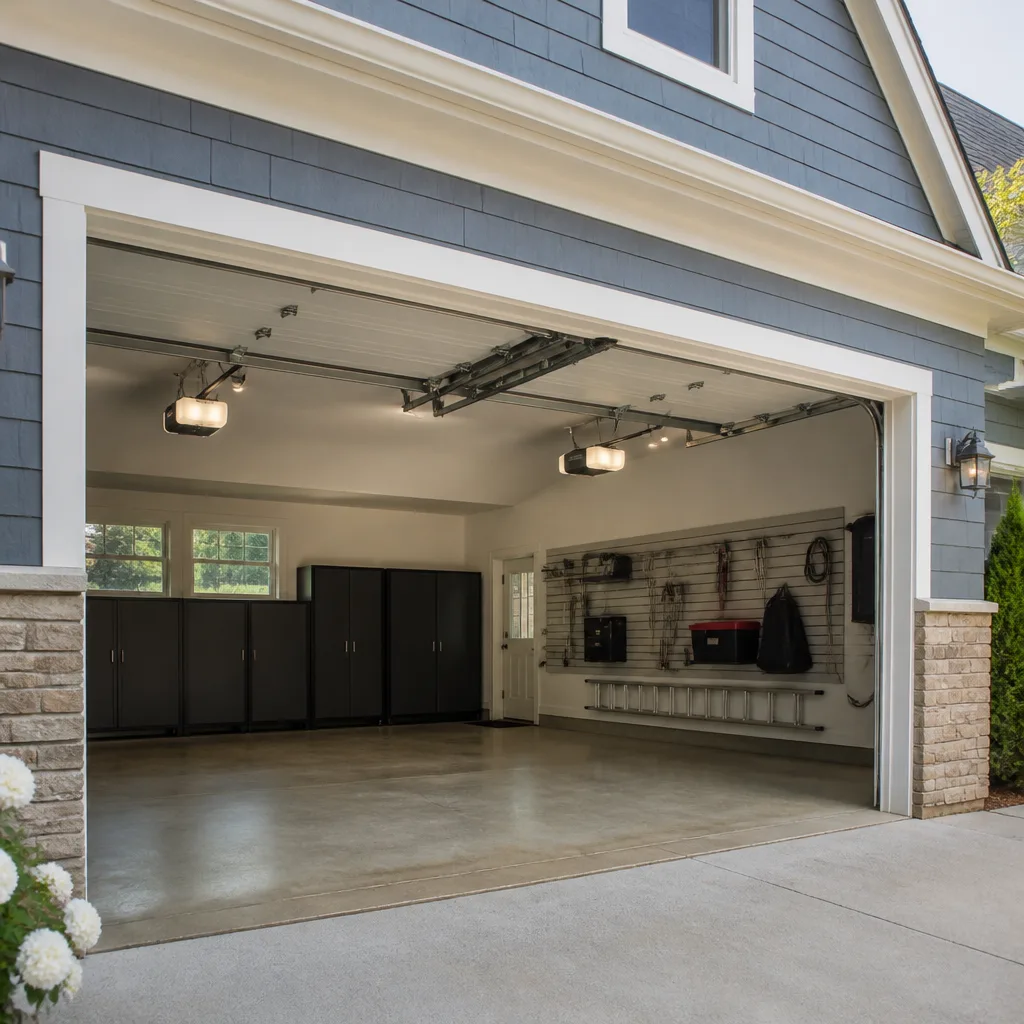 Chamberlain openers
Full 25-point door and opener safety check with every visit - springs, cables, rollers, tracks, and your LiftMaster or Chamberlain opener included
You get a price before we start. It does not change when the pro arrives.
Get your free estimateChoosing the Right Garage Door Brand: A Buyer’s Guide for Plainfield
Most homeowners in Plainfield start brand shopping with the name they see advertised the most. That’s backwards. The brand that fits your garage has less to do with recognition and more to do with three unglamorous things: steel gauge, insulation spec, and how the warranty is actually written. A door marketed heavily on television may be a poor match for an attached, climate-controlled garage, and a quieter brand may hold up better over a decade of Indiana temperature swings. In this guide, we walk through the eight brands you’ll find on Plainfield homes most often, what their materials and warranties really mean, why local parts supply matters more than glossy brochures, and how to line up a door and opener that work together without voiding anything.
Quick Answer
The best garage door brand for a Plainfield home is the one whose steel gauge, insulation R-value, and warranty terms match how your garage is actually used, backed by a brand with reliable regional parts supply. For most attached, climate-controlled garages here, a 25- to 27-gauge steel door with an R-value around 9 to 12 is a sound fit. Brand recognition should be the last filter, not the first.
Styles & brands we work with
- Raised-panel steel
- Carriage house
- Modern flush
- Full-view glass
- LiftMaster openers
- Chamberlain openers
Table of Contents
- The Eight Brands You’ll See on Plainfield Garages
- Steel Gauge: The Spec That Decides How a Door Ages
- Insulation R-Value Matched to Plainfield’s Climate
- Why Local Parts Availability Matters as Much as Brand Quality
- The Opener Compatibility Question
- How to Read a “Lifetime” Warranty Before You Sign
- A Step-by-Step Way to Evaluate Any Brand
- Common Mistakes to Avoid
The Eight Brands You’ll See on Plainfield Garages
Walk any street in Plainfield and you’ll find a handful of names repeated on door panels and opener housings. We work on all eight of the brands that dominate residential installations here: LiftMaster, Chamberlain, Genie, Clopay, Amarr, Wayne Dalton, Craftsman, and Raynor. Rather than rank them, it’s more useful to understand what each tends to be good at and where the trade-offs sit. The table below groups them by what they primarily make, since door brands and opener brands are different animals.
- Door manufacturers: Clopay, Amarr, Wayne Dalton, and Raynor build the panels, tracks, and hardware. Their differences show up in steel gauge, insulation construction, and panel styles.
- Opener manufacturers: LiftMaster, Chamberlain, Genie, and Craftsman build the motors, rails, and safety systems. Their differences show up in drive type (belt, chain, screw), connectivity, and how quietly they run.
That split matters. A homeowner choosing a Clopay door isn’t choosing an opener, and a homeowner replacing a LiftMaster opener isn’t choosing a door. Many people conflate the two because dealers often package them. In Plainfield, where plenty of garages are attached and share a wall with living space, opener noise and door insulation both affect daily comfort, so it’s worth keeping the two decisions separate.
Craftsman openers, common on older homes, and Raynor doors, often found on mid-century builds, illustrate the point nicely. Neither name gets the most advertising today, yet both are perfectly serviceable when the right parts are available. The question isn’t whether a brand is famous. It’s whether the specific product on your garage suits your use and can be maintained.
Steel Gauge: The Spec That Decides How a Door Ages
Steel gauge is the single spec most homeowners ignore and later wish they hadn’t. In steel, a lower gauge number means thicker metal. A 24-gauge door is heavier and more resistant to dents than a 27- or 28-gauge door, and it holds paint and panel shape better over the seasons. Thinner steel flexes, dents, and can develop a wavy look after a few years of daily use.
Here’s the practical range for residential doors:
- 24- to 25-gauge: Heavier-duty steel, better dent resistance, typically found on premium and insulated lines.
- 26- to 27-gauge: The common middle ground for standard residential doors.
- 28-gauge and thinner: Lighter builder-grade panels, more prone to dents and flexing under repeated cycling.
For a Plainfield garage that opens and closes several times a day, and where summer humidity and winter cold work the panels, a heavier gauge pays off. It’s also quieter in operation because the panels don’t rattle as much. If you’re comparing two doors at similar prices, check the gauge before anything else. A brand that publishes its gauge plainly is usually a brand confident in its materials.
Beyond gauge, ask about the panel’s construction. Some doors are a single steel skin, some are two steel skins bonded to an insulated core, and some use a steel frame with a different facing. Two-skin construction with a bonded core is generally sturdier and insulates better than a single skin with a vinyl back. When we assess a failing door, gauge and panel construction are the first things we look at, because they explain whether the issue is wear, impact, or a build that was always going to struggle.
Insulation R-Value Matched to Plainfield’s Climate
Insulation is where brand marketing runs furthest ahead of what a Plainfield garage actually needs. R-value measures resistance to heat flow. Higher is better, but there’s a point of diminishing returns for a standard attached garage. Plainfield sits in a climate with real seasonal swings: hot, humid summers and cold winters. An attached garage that shares walls with the house is worth insulating well; a detached, unheated workshop less so.
A workable guide for the area:
- Uninsulated or single-skin door: Fine for a detached garage with no conditioned space nearby, but noisy and prone to condensation.
- R-value around 6 to 9: Reasonable for an attached garage where you mostly want to reduce drafts and heat transfer.
- R-value around 9 to 12: A solid target for an attached, climate-controlled garage that shares walls with living space.
- R-value above 12: Genuinely useful in some builds, but often oversold for a standard residential garage that isn’t itself climate-controlled.
The mistake isn’t buying a high-R door. It’s paying a premium for insulation the garage can’t really use. If the garage walls and ceiling aren’t insulated and the space isn’t conditioned, a very high R-value door won’t transform the room. A moderate R-value with good perimeter seals and a well-fitted frame often delivers more comfort per dollar.
Insulation also affects noise. A two-skin insulated door dampens opener and street noise noticeably compared with a single-skin panel. In Plainfield’s denser subdivisions, where garages sit close to living rooms or bedrooms, that quiet matters on a daily basis.
Why Local Parts Availability Matters as Much as Brand Quality
Any garage door will eventually need parts. Rollers wear, hinges loosen, cables fray, and panels take a hit. When that happens, the brand that matters is the one whose parts you can actually get in central Indiana without waiting weeks. A beautifully built door from a brand with thin regional distribution can leave you staring at a broken panel while a truckload of parts sits somewhere else.
This is a dimension most brand comparisons skip. We weigh it heavily because it’s what determines how long a repair takes. When you call about a garage door repair, the difference between a one-visit fix and a two-week wait often comes down to whether the needed panel or hardware is stocked by a regional distributor. Brands with strong dealer networks across Indiana tend to resolve faster.
What to ask about parts supply:
- Does the brand have distributors or dealers serving central Indiana?
- Are replacement panels and hardware kept in regional stock, or ordered from a factory?
- How readily can a technician source the specific panel style and color on your door?
- Are the door’s springs, cables, and hinges standard enough to replace from common stock?
Springs and hardware are frequently cross-compatible, so a snapped spring doesn’t depend on brand the way a replacement panel does. But a damaged panel is brand-specific, and color and style matching gets harder as time passes. This is why a brand with deep local support is worth more than one with a bigger logo and a thinner network.
The Opener Compatibility Question
Not every door and opener brand pair well together, and the mismatch usually surfaces as a warranty problem rather than an immediate failure. A door with specific weight and balance characteristics needs an opener rated for that load. Pair a heavy insulated door with an undersized opener and you’ll shorten the opener’s life, stress the door’s hardware, and potentially void part of the warranty.
A few compatibility points worth knowing:
- Door weight vs. opener capacity: Match the opener’s rated lifting capacity to the door’s actual weight, including insulation and hardware.
- Drive type matters for noise: Belt-drive openers (common among LiftMaster and Chamberlain lines) run quieter than chain-drive, which matters in attached garages.
- Safety system compatibility: Modern openers use safety reversing systems. Older doors and openers may need updated sensors to meet current standards.
- Warranty language: Some door warranties assume a specific opener class. Read both documents before committing to a pairing.
The cleanest approach is to size the opener to the door rather than the other way around. If you’re keeping a door and replacing the opener, our garage door opener repair service can confirm the right capacity for what’s already hanging on your tracks. If you’re replacing both, tell the installer the door’s weight and let them recommend the opener match.
This is also where a dedicated garage door specialist earns their keep. A generalist may install a perfectly good opener onto a door it’s not suited for, and the problem won’t show up until months later.
How to Read a “Lifetime” Warranty Before You Sign
“Lifetime” is the most misread word on a garage door spec sheet. In the fine print, it almost never means what a homeowner reasonably expects. A lifetime warranty usually covers a specific part for as long as you own the door, often with limits, exclusions, and prorating that shrink the coverage over time.
What to check line by line:
- What’s covered: Often the door sections only, not the hardware, springs, or opener.
- Who’s covered: Some lifetime warranties end when the home is sold, so a second owner gets a shorter term.
- Prorating: A warranty that pays 100% in year one and 20% in year ten isn’t the same as full replacement.
- Exclusions: Improper installation, wrong opener capacity, and lack of maintenance can void coverage.
- Labor: Parts coverage doesn’t usually include the labor to install the replacement part.
The practical question is: what will this warranty actually do for me if the door fails five or ten years from now? If the answer is “replace a section at a prorated value, if a professional installed it to spec,” that’s reasonable. If it’s “not much,” don’t pay extra for the word lifetime. In our experience, homeowners in Plainfield get more long-term value from a door with solid gauge and insulation plus a clear parts supply than from a generous-sounding warranty alone.
Ask the seller to show you the actual warranty document, not the summary. The terms you care about are on the back page, and reading them takes five minutes.
A Step-by-Step Way to Evaluate Any Brand
Rather than compare brand names head to head, run every candidate through the same sequence. This keeps the decision grounded in your garage instead of the brochure.
- Define how the garage is used. Attached and climate-controlled, or detached and rough? This sets your insulation target.
- Check steel gauge. Heavier is better for daily use and for a door that faces weather. Aim for 25-gauge or thicker where budget allows.
- Match insulation to use. R-value around 9 to 12 fits most attached, climate-controlled garages; lower is fine for a detached workshop.
- Ask about regional parts availability. Confirm the brand has distributors or dealers serving central Indiana.
- Read the full warranty document. Note what’s covered, who’s covered, and how it prorates over time.
- Confirm opener compatibility. Size the opener to the door’s weight and check that neither warranty excludes the pairing.
- Get a written estimate. Compare line items, not just the total, and confirm the price is fixed before work starts.
If a brand passes all seven, it’s worth considering regardless of how much advertising it does. If it fails gauge or parts supply, no amount of marketing saves the decision. We run this same sequence when a Plainfield homeowner asks us to help choose a door, and we’re happy to walk through it line by line with you.
Common Mistakes to Avoid
- Choosing by advertising. The most-heavily marketed brand isn’t automatically the best fit for your garage. Check gauge and insulation first, then weigh the brand name.
- Overpaying for insulation on a detached garage. A very high R-value won’t do much in an unconditioned space. Spend that money on fit and seals instead.
- Ignoring parts supply. A brand with no regional distribution can mean a long wait when a panel gets damaged. Ask about local availability before you buy.
- Pairing an undersized opener with a heavy door. This shortens the opener’s life and can void warranty coverage. Match capacity to door weight.
- Taking “lifetime” at face value. Read the actual document. Know what’s covered, who’s covered, and how it prorates.
- Choosing the cheapest panel without checking gauge. Thin steel dents and flexes faster, and you’ll likely pay for it later in repairs or replacement.
- Skipping the written estimate. A verbal ballpark leaves room for surprises. Insist on a written quote that fixes the price before any work begins.
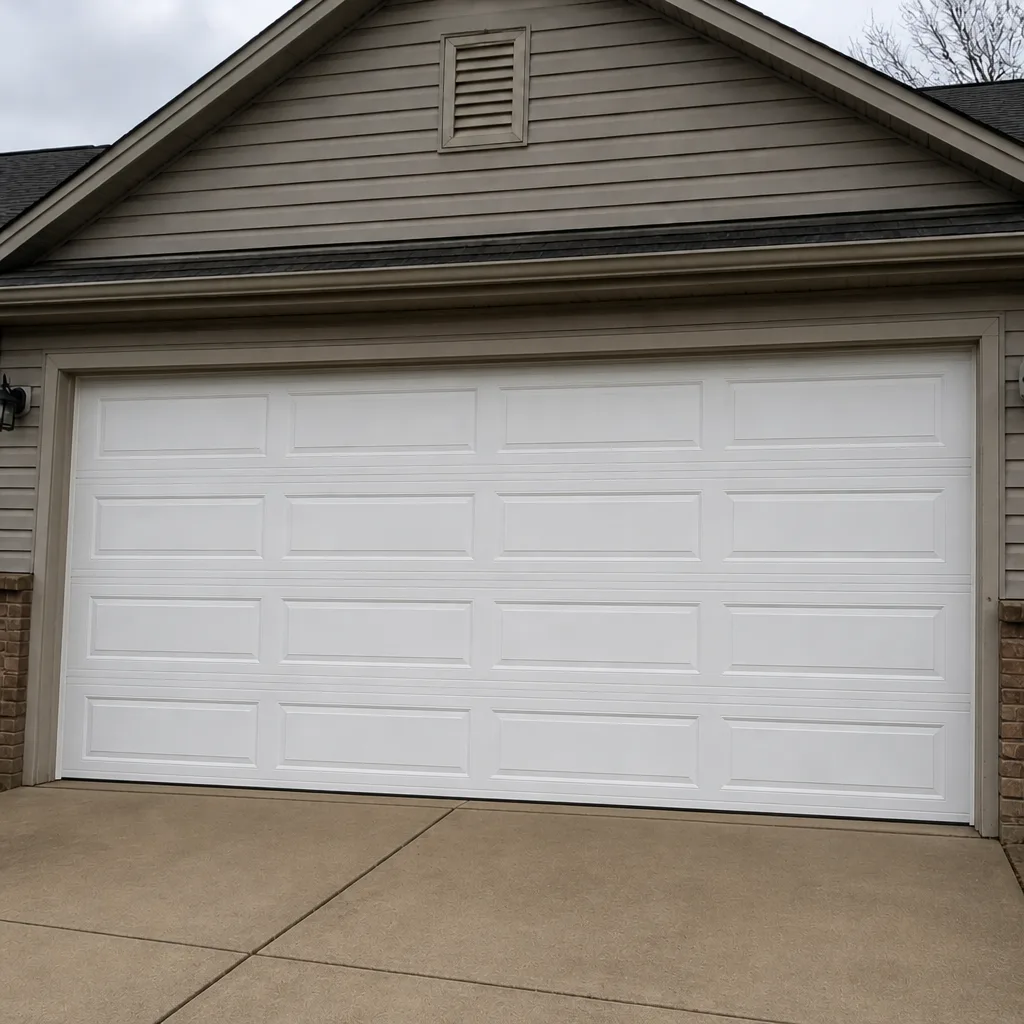
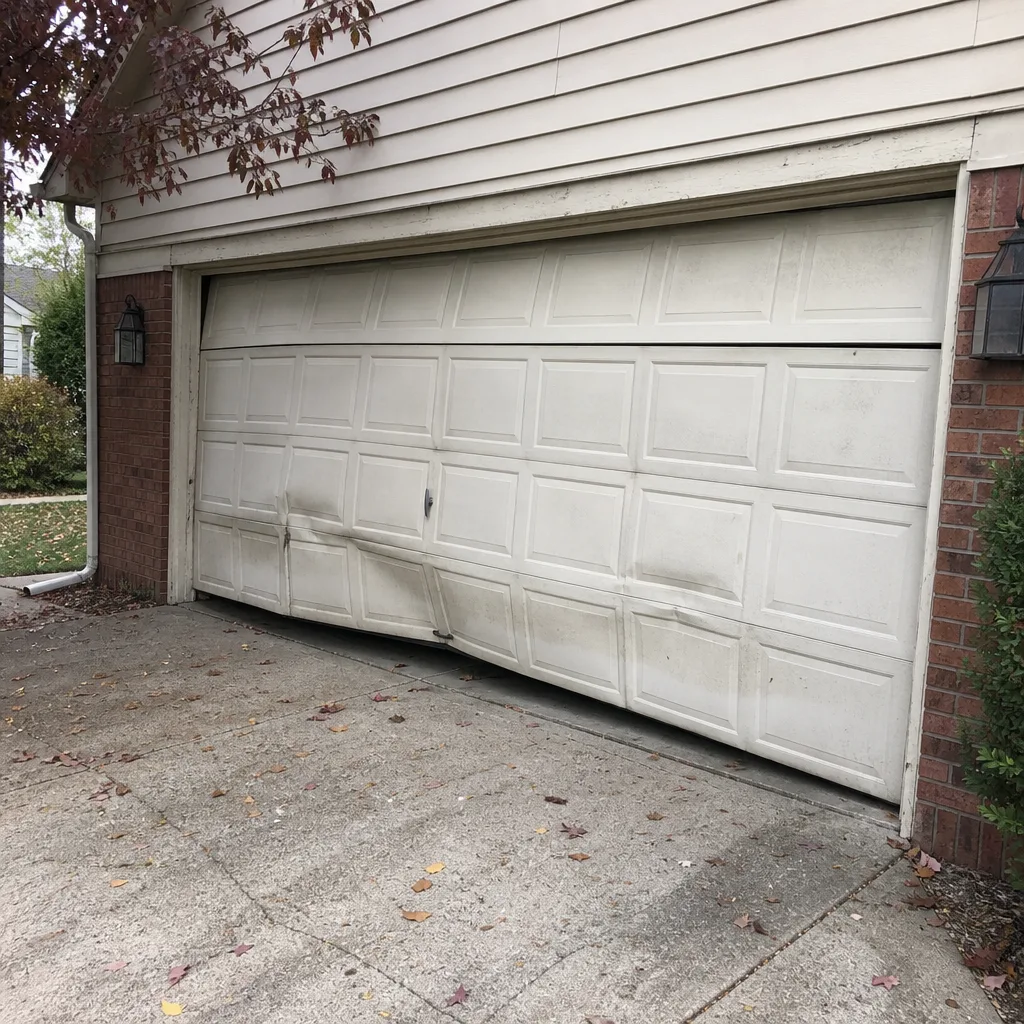
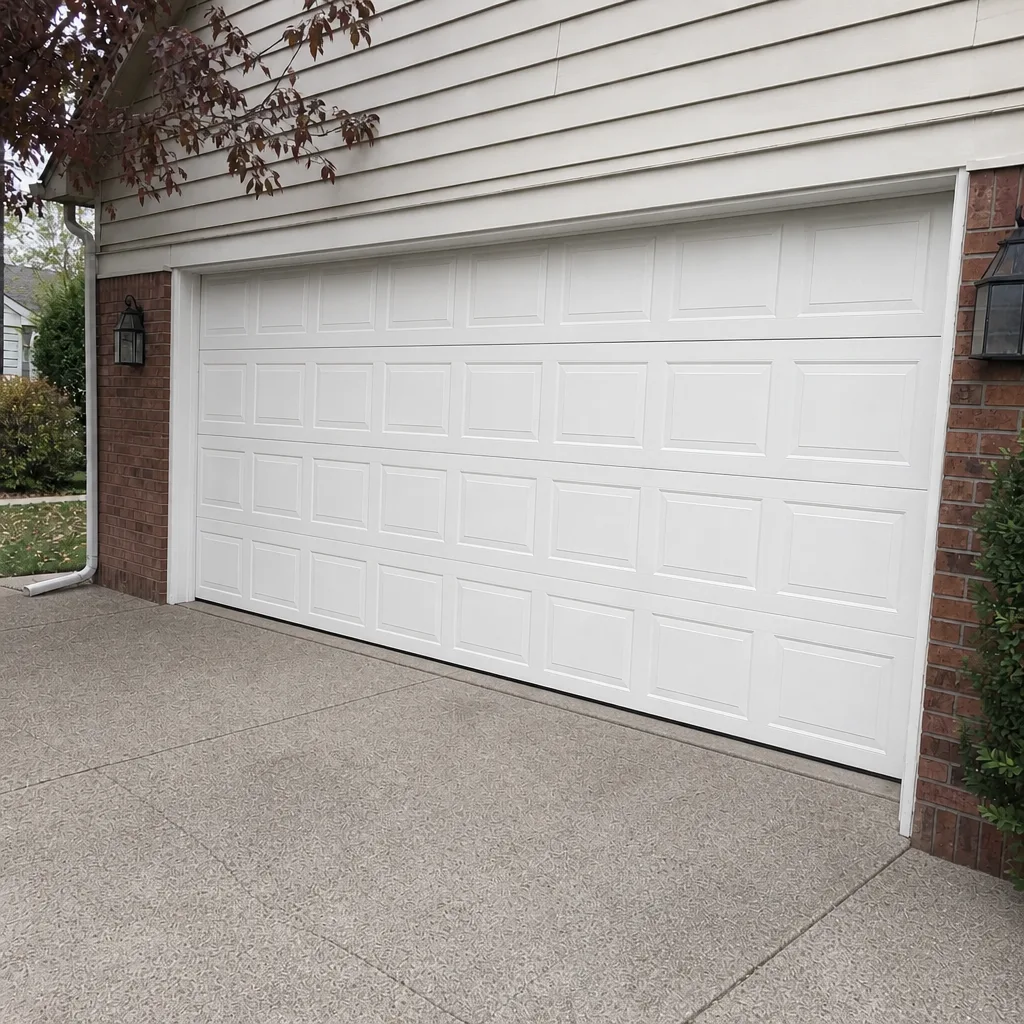
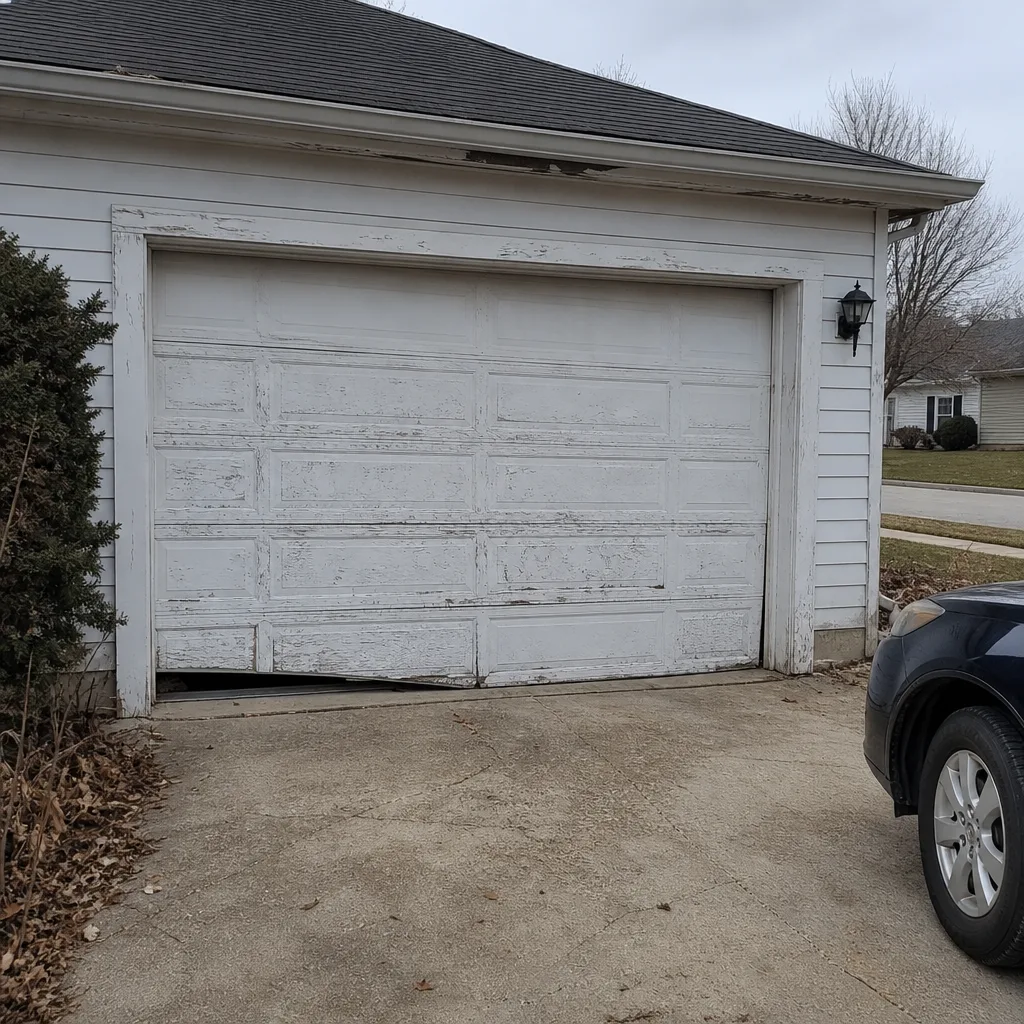
See the difference
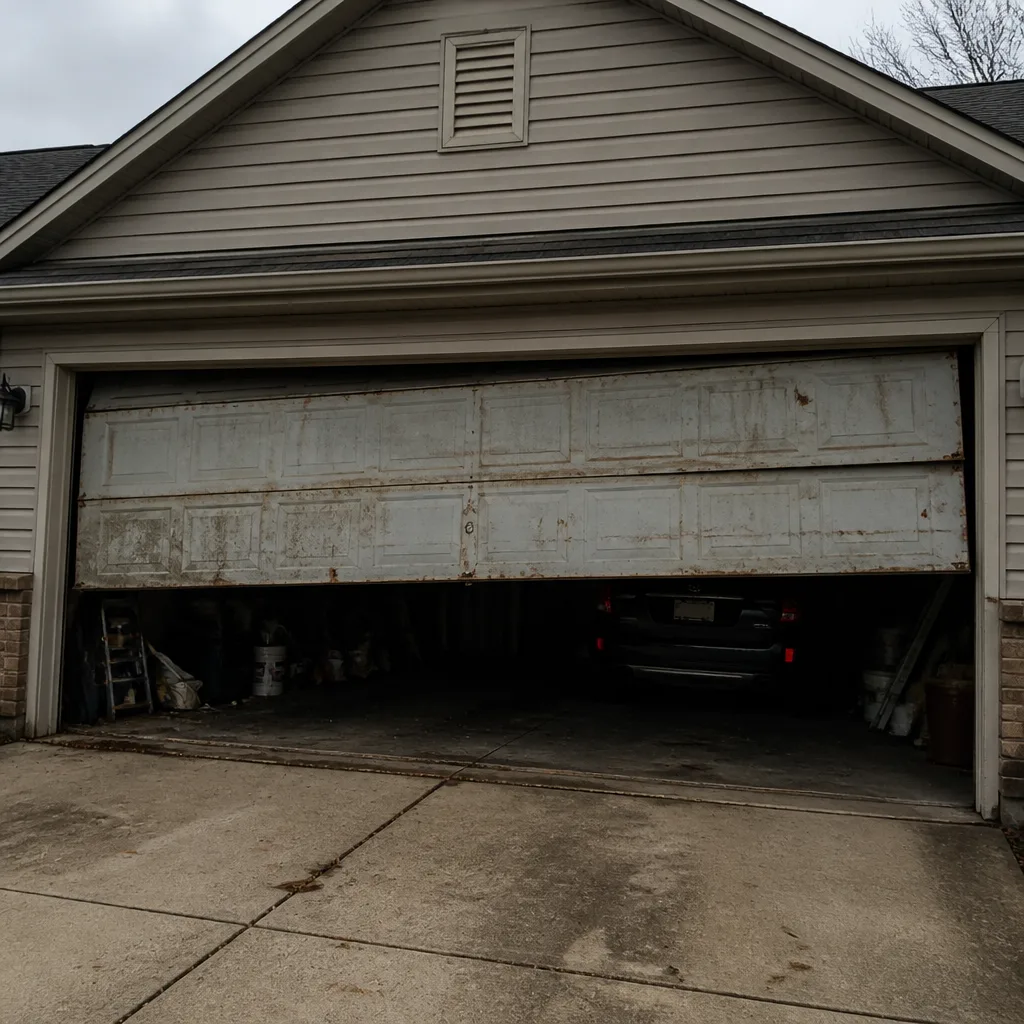 Before
 After
 Before
 After
 Before
 After
When to Call a Professional
Some garage door issues are safe to handle yourself. Brand selection, opener sizing, and warranty interpretation usually aren’t, especially when the answer hinges on how the door and opener interact. And any issue involving the springs, cables, or the door coming off its tracks belongs with a trained technician. Springs are under extreme tension and are the most dangerous component in the system; adjusting them without the right tools is a serious safety risk. If your door is stuck, crooked, or making a loud bang, treat it as urgent.
Plainfield Garage Door Repair Experts offers free estimates in Plainfield. Call (866) 371-6990. We answer 24/7. Fast dispatch from 7am to 7pm, Sunday through Friday. Whether you’re weighing a new door or troubleshooting an old one, our technicians have up to 10 years of experience and work across all eight major brands, including LiftMaster, Chamberlain, Genie, Clopay, Amarr, Wayne Dalton, Craftsman, and Raynor. The estimate is free and the written quote sets the final price before any work starts.
Frequently Asked Questions
There’s no single best brand; the right one depends on your garage’s use. For an attached, climate-controlled garage, a 25- to 27-gauge steel door with an R-value around 9 to 12 is a sound fit, backed by a brand with regional parts availability. A detached workshop can use a lighter, less insulated door without losing much. Call (866) 371-6990 for help matching a brand to your garage; estimates are free.
Brand matters for both, but for different reasons. On installation, it sets gauge, insulation, and warranty terms. On repair, it determines how easily a technician can source a matching panel or proprietary component. Standard hardware like springs and rollers is often cross-compatible across brands. For our full repair capabilities, see garage door spring repair, a service where brand-specific parts and proper tools matter a great deal. Call (866) 371-6990 to confirm parts for your brand.
An R-value around 9 to 12 fits most attached, climate-controlled garages in Plainfield. A detached, unheated garage can do fine with 6 to 9. Values above 12 are useful in some builds but often oversold for a standard residential garage that isn’t itself conditioned. The best way to know is to look at your garage walls and how the space is used. Call (866) 371-6990 for a free assessment.
Often yes, as long as the opener is rated for the door’s weight and both warranties permit the pairing. The keys are matching opener capacity to door weight, confirming safety sensor compatibility, and reading both warranty documents for exclusions. A mismatch can void part of the coverage even when the door works fine. Call (866) 371-6990 and we’ll check compatibility before you commit.
Ask whether the brand has distributors or dealers serving central Indiana and whether replacement panels and hardware are kept in regional stock. Standard springs and rollers are usually easy to source; panel styles and colors are the harder test. A brand with thin regional distribution can mean a long wait on a damaged panel. Call (866) 371-6990 to check parts availability for your brand; estimates are free.
It usually covers the door sections for as long as you own the door, with limits, exclusions, and prorating that reduce the payout over time. Hardware, springs, and the opener are often excluded, and labor typically isn’t covered. Coverage may also end when the home is sold. Ask for the full warranty document and read the fine print before you buy. Call (866) 371-6990 if you want a second read.
The Bottom Line
Choosing a garage door brand in Plainfield comes down to matching the product to your garage, not to the loudest marketing. Steel gauge decides how the door ages. Insulation R-value should fit how the garage is actually used, not the top number on the sheet. Regional parts supply determines how fast a repair gets done when something fails. Opener compatibility protects both warranties, and the word “lifetime” is only as good as the fine print behind it. Start with your garage, confirm the specs, and treat brand recognition as a tiebreaker. If you’d rather have a specialist walk you through it, call Plainfield Garage Door Repair Experts at (866) 371-6990. We answer 24/7. Fast dispatch from 7am to 7pm, Sunday through Friday. Estimates are free, and the written quote sets the price before any work begins. If you’re still gathering background, our Plainfield garage door repair experts page covers the full range of what we handle.
Written by the team at Plainfield Garage Door Repair Experts.