
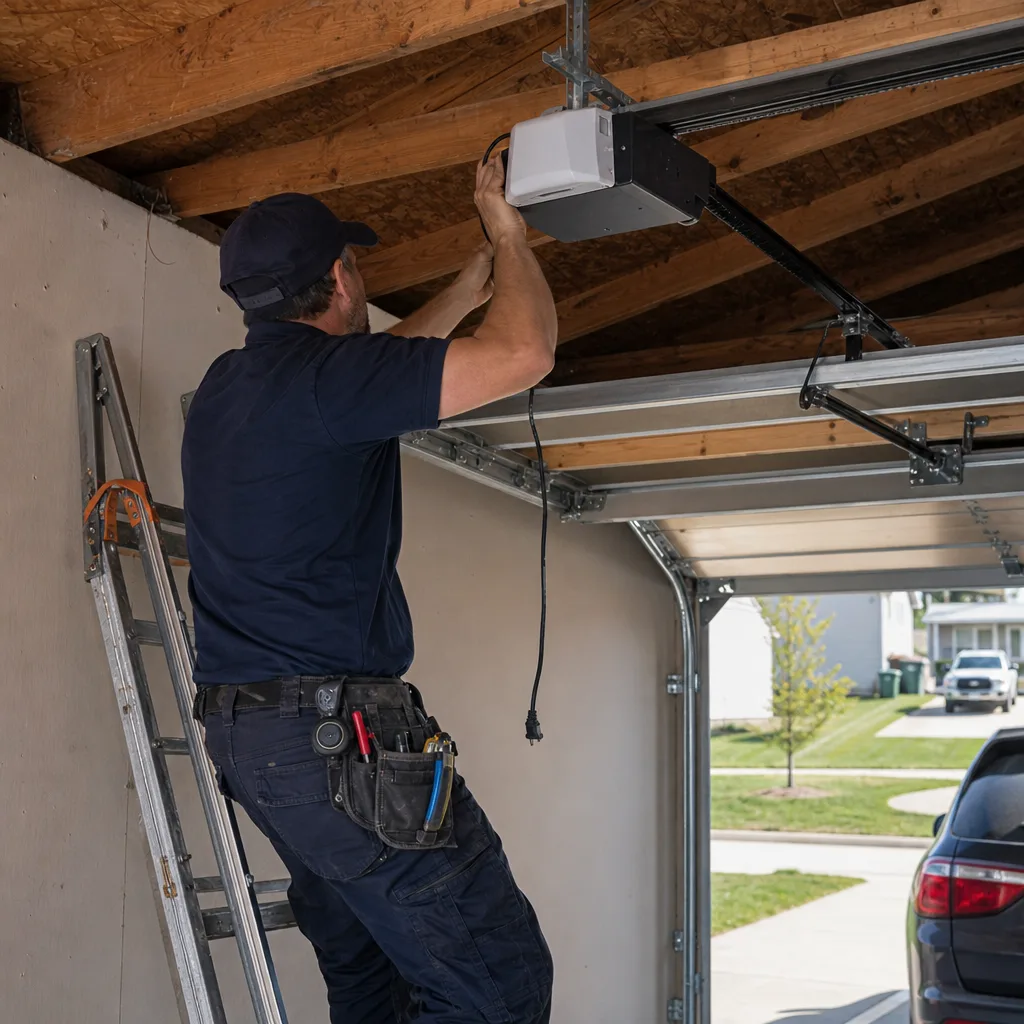
Last updated November 22, 2026
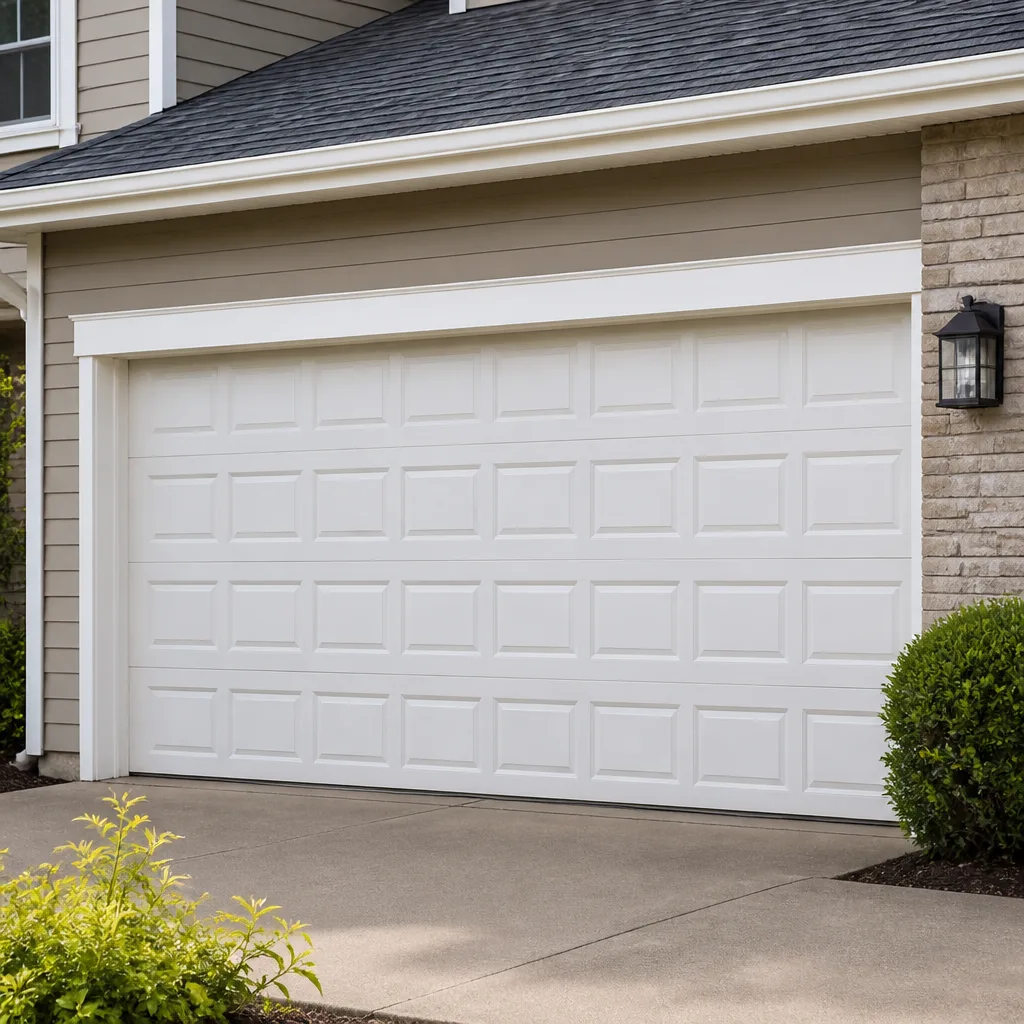 Raised-panel steel
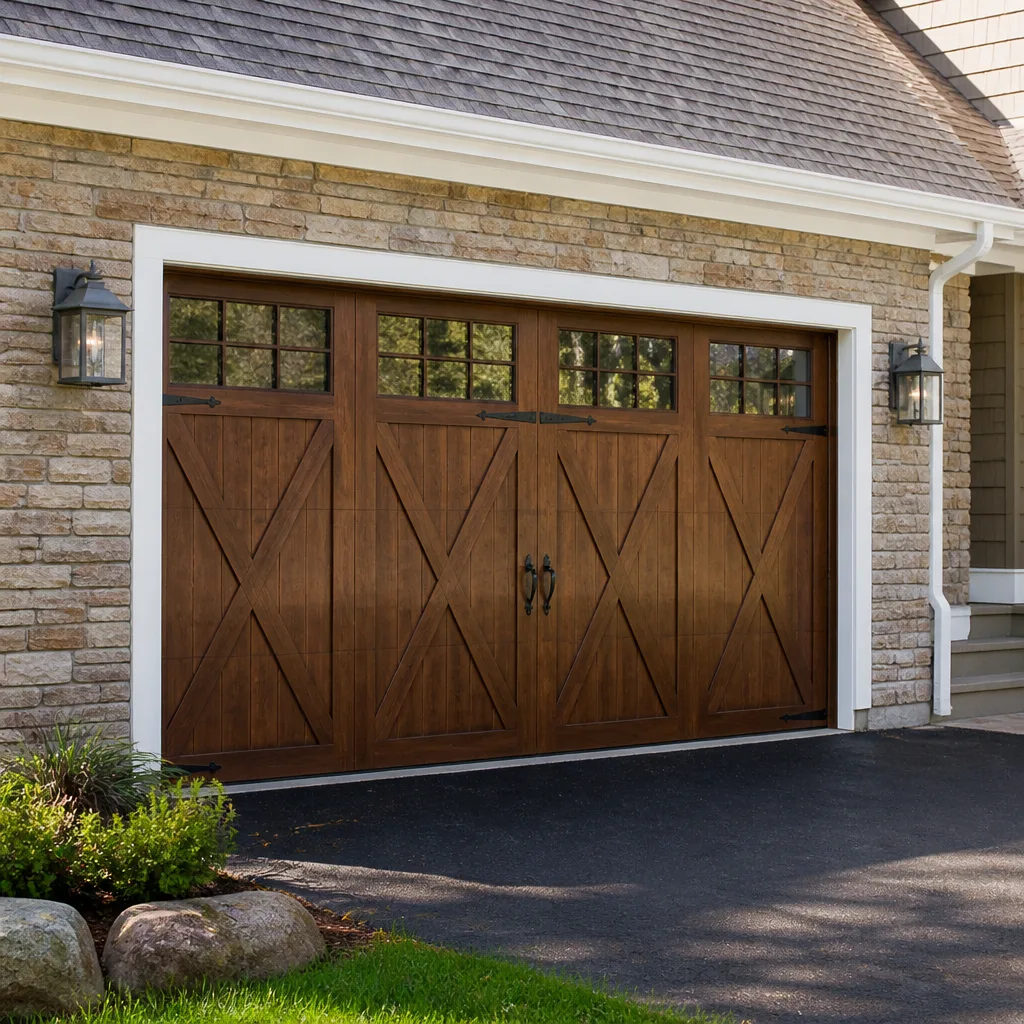 Carriage house
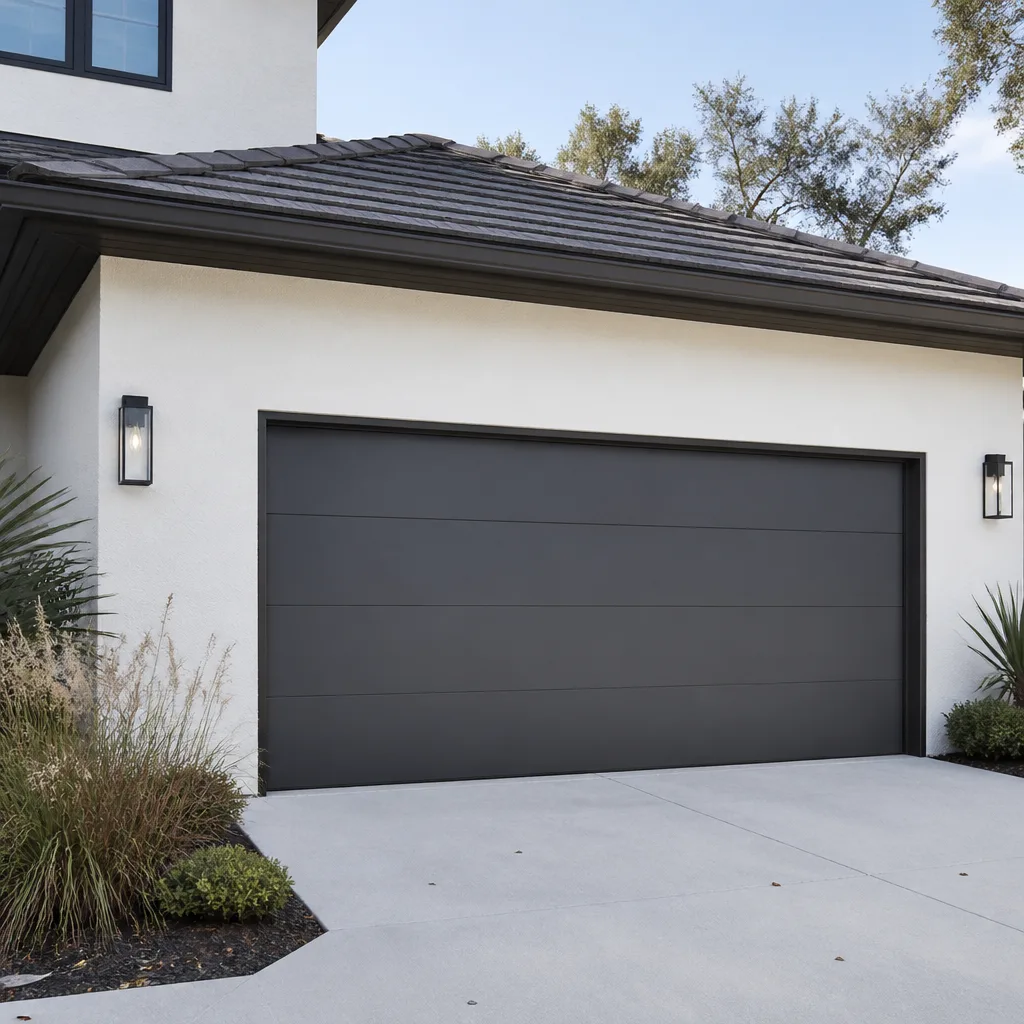 Modern flush
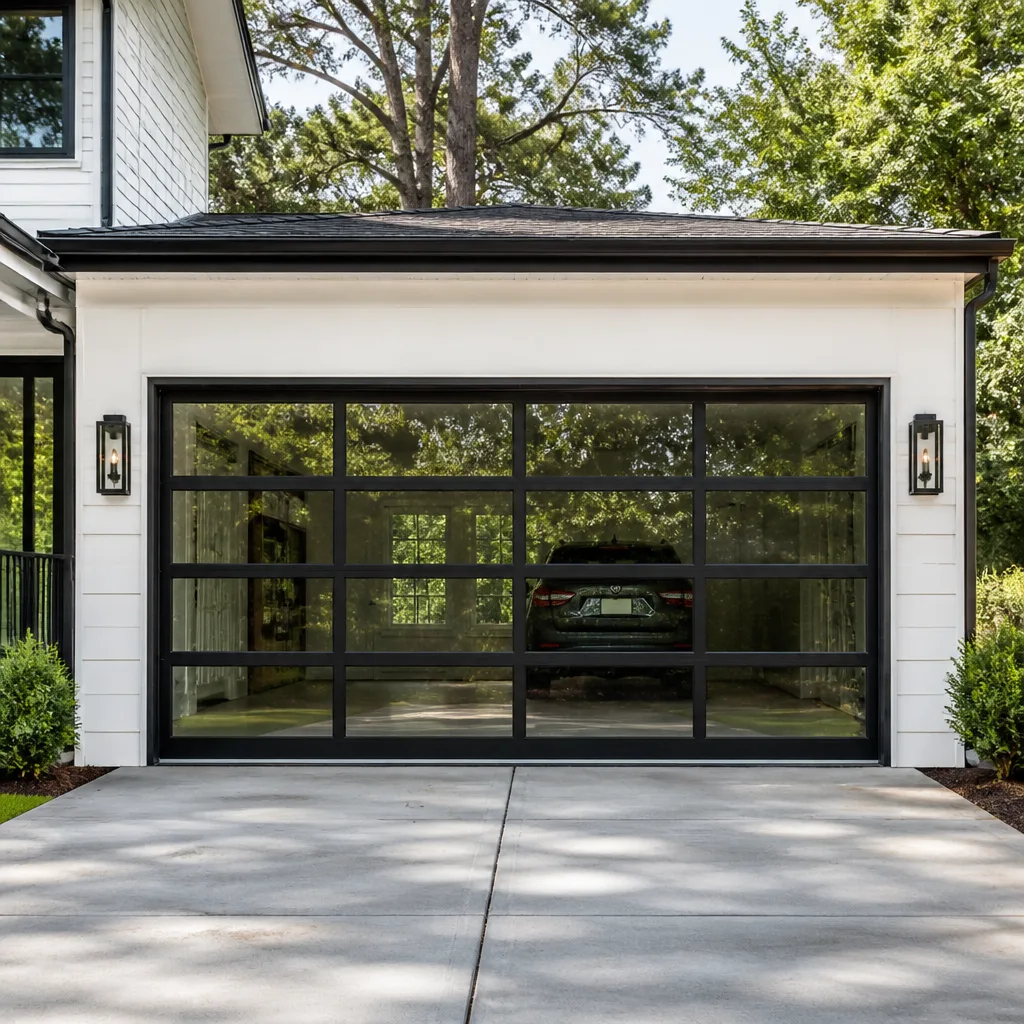 Full-view glass
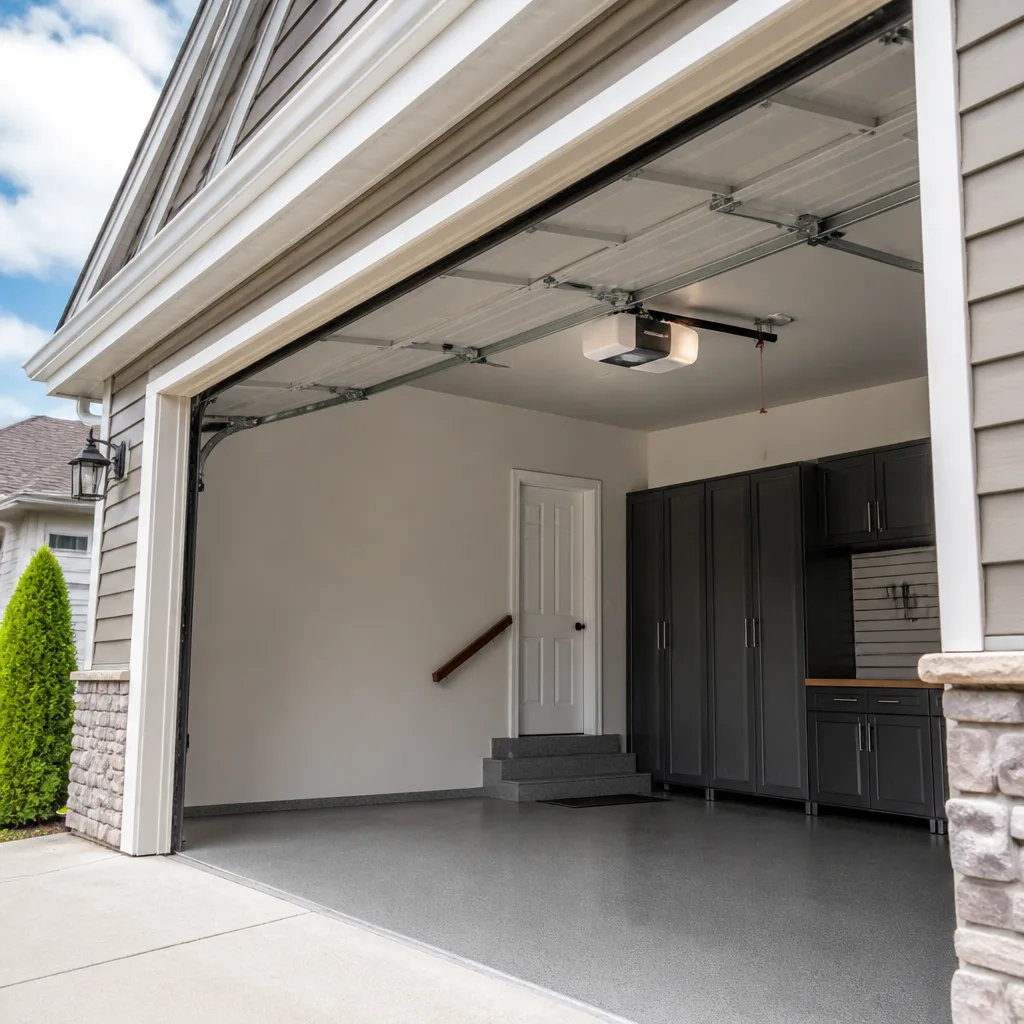 LiftMaster openers
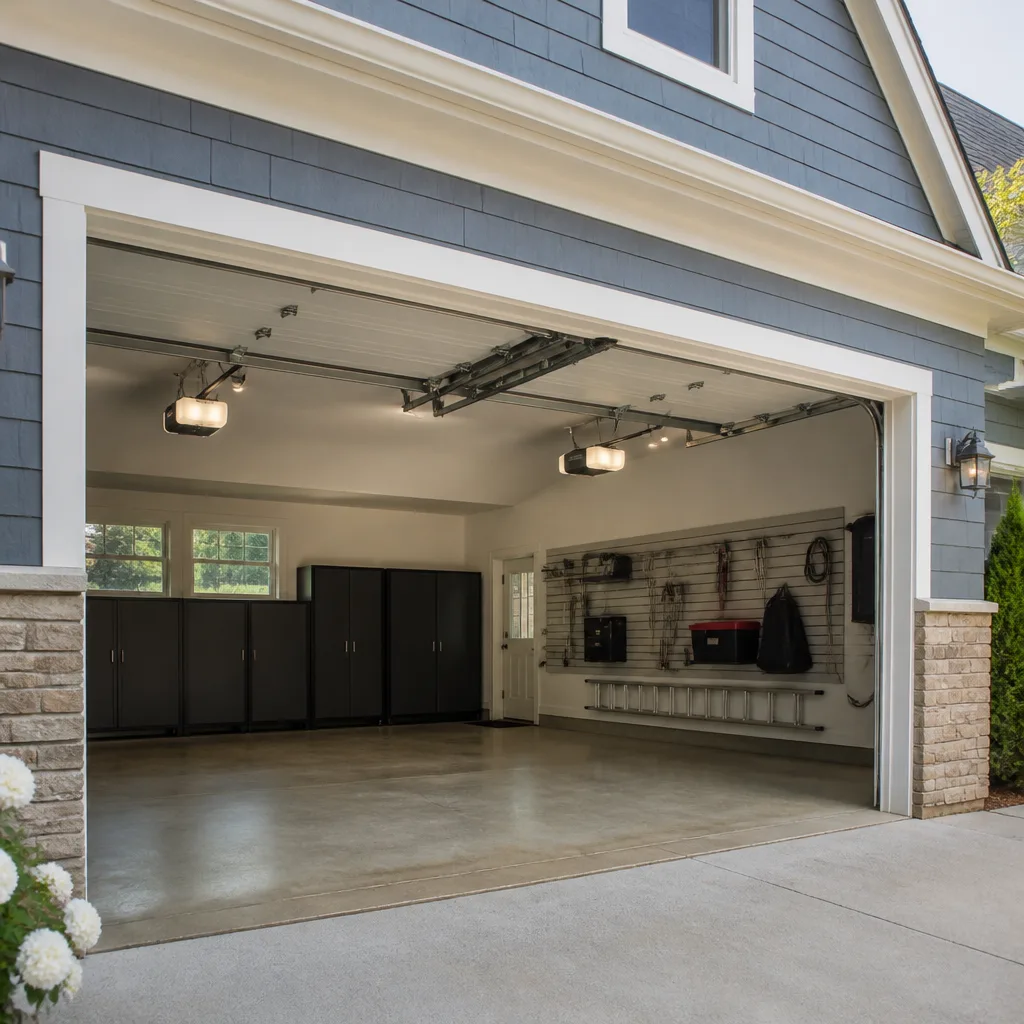 Chamberlain openers
Full 25-point door and opener safety check with every visit - springs, cables, rollers, tracks, and your LiftMaster or Chamberlain opener included
You get a price before we start. It does not change when the pro arrives.
Get your free estimateSeasonal Garage Door Care for Plainfield: Year-Round Homeowner’s Guide
Most garage door maintenance advice you’ll find online was written for a climate that doesn’t exist. It tells you to lubricate in spring, tighten a few bolts, and call it done. Plainfield doesn’t hand you one maintenance season. It hands you four very different ones, and each one works on your door in a different way. A January average low of 18°F and a July average high of 85°F means the springs, seals, tracks, and opener on your garage door operate across a 67-degree working temperature range every year. That spread contracts metal, hardens rubber, and breaks down lubricant on a schedule a generic checklist ignores. This guide maps each of Plainfield’s four weather phases to the failure modes it actually creates, so you’re treating the right problem at the right time.
Quick Answer
Seasonal garage door care in Plainfield means matching maintenance to each weather phase: winter checks for sluggish operation and spring tension changes, spring inspections for track shifts and cable wear after freeze-thaw, summer attention to sensor alignment and seal brittleness in hot garages, and a fall prep sequence done in a specific order before the first hard freeze. The goal is catching wear while it’s cheap to fix, not waiting for a failure.
Styles & brands we work with
- Raised-panel steel
- Carriage house
- Modern flush
- Full-view glass
- LiftMaster openers
- Chamberlain openers
Table of Contents
- Why Plainfield’s Climate Is Hard on Garage Doors
- Winter Care: Cold, Tension, and Sluggish Doors
- Spring Care: What Freeze-Thaw Leaves Behind
- Summer Care: Heat, Sensors, and Opener Overload
- Fall Care: The Pre-Winter Prep Sequence
- Humidity Swings and Wood Door Panels
- Brand-Specific Notes for Common Local Systems
- Common Mistakes to Avoid
- When to Call a Professional
Why Plainfield’s Climate Is Hard on Garage Doors
A garage door is a machine that lives in an unheated, uninsulated box attached to your house. That box sees every temperature extreme the outdoors sees, and sometimes worse, because a closed garage with a dark roof can run hotter than the air outside on a July afternoon. Plainfield sits in a part of Indiana where the seasons don’t ease in. They arrive.
The number that matters most is that 67-degree annual swing between the coldest average lows and the warmest average highs. Here’s what that range does to each part of the system:
- Steel torsion springs expand and contract with temperature, which changes the tension they apply to the door. A door balanced in October can feel noticeably different in February.
- Rubber and vinyl seals harden and shrink in cold, then soften and can sag in heat. The bottom weather seal takes the worst of it.
- Lubricant thickens in cold and thins or migrates in heat. Grease that worked fine in fall may be nearly useless by January.
- Wood panels absorb and release moisture with the seasons, which is why warping is a humidity problem as much as a temperature one.
- Metal tracks and hardware shift with the ground and the framing they’re anchored to, especially through freeze-thaw cycles.
None of this means the door is fragile. It means the maintenance calendar for Plainfield is built around four distinct phases, not one. If you’ve ever lubricated in April and wondered why the door still groaned in January, this is why. When something has already gone wrong, garage door repair starts with a diagnosis of which phase did the damage.
Winter Care: Cold, Tension, and Sluggish Doors
The single most useful thing to understand about winter is that doors rarely fail without warning. They get sluggish first. A door that hesitates, moves slower than usual, or sounds strained in cold weather is telling you the system is working harder than it should. That early signal is your chance to act before a part gives out.
Why cold changes spring tension
Torsion springs are calibrated to balance the weight of your door at a specific tension. When temperatures drop, the steel contracts, and that calibration shifts. The result is a door that feels heavier to the opener and to you. The opener compensates by pulling harder, which wears the motor, the gears, and the drive system faster. If the door also has a small imbalance that was invisible in summer, winter is when it shows up.
What to check in cold weather
- Listen first. A door that groans, squeals, or grinds in cold is usually telling you lubricant has thickened or dried out.
- Watch the travel. If the door pauses mid-travel or reverses for no apparent reason, don’t force it. That’s a sign of excess resistance.
- Test the balance. With the opener disconnected and the door about halfway up, it should hold roughly in place. A door that drops or rises on its own is out of balance.
- Inspect the bottom seal. A hardened seal lets cold air and moisture in, and it can crack and tear as the door cycles.
One caution that matters more in winter than any other season: never try to adjust, loosen, or replace a torsion spring yourself. Springs are the most dangerous component in your garage door system, and they store enormous energy even when the door is closed. Our technicians handle them with the right training and tools, and that division of labor is not a sales pitch. It’s the difference between a repair and an injury.
Spring Care: What Freeze-Thaw Leaves Behind
Spring in Plainfield is the season of consequences. Everything winter did to your door shows up now, and two problems in particular are worth a close look: track alignment shifts from frost heave and cable wear from winter tension stress.
Track alignment after frost heave
Frost heave is the ground expanding as it freezes and shifting as it thaws. A garage slab and the framing around it move with that cycle, and the tracks anchored to that framing can go slightly out of plumb. You may not see it directly. What you’ll notice is a door that rubs on one side, binds partway up, or drifts sideways as it travels. Left alone, misaligned tracks grind the rollers and strain the opener. A track that’s out of alignment is a repair, not a maintenance item, but it’s an inexpensive one when it’s caught early.
Cable wear from winter tension
Cables carry the spring’s force and hold the door’s weight. Winter’s tension swings work them harder than any other season. Look for fraying, kinks, or a cable that’s begun to unwind at the drum. A frayed cable is a safety issue and should be handled by a technician rather than run until it snaps. When a cable or spring has reached the end of its life, garage door spring repair is the service that restores the balance safely.
Spring inspection checklist
- Open and close the door a few times and listen for new sounds or uneven travel.
- Look at both tracks: they should be straight, parallel, and clear of debris.
- Check the cables for fraying or slack, without touching them under tension.
- Test the auto-reverse by placing a small object in the door’s path.
- Clear the tracks of grit and debris that winter dragged in.
Summer Care: Heat, Sensors, and Opener Overload
Summer looks like the easy season for a garage door. It isn’t. Heat creates a different set of problems, and they tend to show up as intermittent issues that are easy to dismiss until they become reliable failures.
Photo-eye sensor alignment
The safety sensors near the floor at each side of the door stop it from closing on a person or object. They’re sensitive to alignment, and heat is a common culprit. A garage that bakes in the afternoon sun causes metal brackets and mounts to expand, which can nudge a sensor slightly out of line. The symptom is a door that closes partway and reverses, sometimes only at certain times of day. Before you assume the opener is failing, check that both sensor lenses are clean and facing each other squarely.
Vinyl seal brittleness
The bottom weather seal and the seals around the door edges soften in heat and then harden as they age. A seal that’s been through a few summers is more likely to crack, tear, or lose its shape. A brittle seal lets in water, insects, and drafts. Replacing it is one of the least expensive seasonal fixes you can make.
Opener thermal overload
An opener in an uninsulated garage can get hot enough to trigger its built-in thermal protection, which shuts the motor down until it cools. If your door stops responding on a hot afternoon and works again later, thermal overload is a likely explanation. The fix is usually about reducing load on the motor, not replacing it. A door that’s out of balance or running on dry lubricant makes the opener work harder and heat up faster. Opener brands like Genie and LiftMaster both build in thermal protection, and it’s doing its job when it trips. Persistent overload points to a mechanical issue worth diagnosing. That’s where garage door opener repair comes in.
Fall Care: The Pre-Winter Prep Sequence
Fall is when the work you do pays off in January. But the order matters. Doing these tasks out of sequence means redoing some of them, or missing the issue that causes the winter failure. Here’s the sequence we recommend, in the order it should be done.
- Inspect before you lubricate. Look at springs, cables, rollers, hinges, and tracks first. Lubricating over a worn part hides the problem instead of fixing it.
- Test the balance. Disconnect the opener and check that the door holds position halfway up. An out-of-balance door will strain the opener all winter, so correct it before the cold arrives.
- Clean the tracks. Remove grit, leaves, and debris, then check that the tracks are straight and clear.
- Lubricate the moving parts. Apply a garage-door-specific lubricant to rollers, hinges, and the spring (not the tracks themselves). This is the step most people do first; it belongs here.
- Check and replace the bottom seal. A seal that’s cracked or hardened should be replaced before it’s asked to hold out winter air and moisture.
- Test the safety reverse. Confirm both the photo-eye and the mechanical reverse work correctly.
- Check the opener’s force and travel settings. A door that’s been rebalanced may need its opener limits adjusted so it doesn’t strain against the new setup.
Brands like Clopay and Amarr wood and steel doors both benefit from this sequence, though the seal and lubrication specifics differ by door material. Getting the order right once in fall saves you from chasing a failure all winter.
Humidity Swings and Wood Door Panels
Plainfield’s humidity moves a lot through the year, and wood garage doors feel every bit of it. Wood absorbs moisture and swells in humid weather, then releases it and shrinks when the air dries out. That cycling is normal, but it has a threshold.
When the movement stays small, you get cosmetic issues: a panel that looks slightly wavy, a joint that opens a hair, paint that cracks along a seam. Those are worth watching but not alarming. When the cycling gets larger, you get structural problems: panels that warp enough to bind against the frame, sections that no longer sit flush, and gaps that let water in behind the finish. A door that’s started to bind is doing more than looking tired. It’s putting uneven load on the springs and opener.
How to tell cosmetic from structural
- Cosmetic: Surface cracks in paint, slight panel waviness, a seam that opens a little in dry months and closes in humid ones.
- Structural: Panels that no longer align, a door that rubs the frame on one side, water getting behind the finish, or a door that’s harder to operate than it used to be.
The practical move is to look at your wood door at the extremes: once in the most humid stretch of summer and once in the driest part of winter. If the door operates cleanly at both ends, the cycling is within normal range. If it binds at either extreme, it’s worth a professional look before the problem compounds. A finish that’s kept up to date is the simplest defense against moisture getting into the wood in the first place.
Brand-Specific Notes for Common Local Systems
Most garage doors and openers in Plainfield come from a handful of manufacturers, and knowing which system you have helps you understand what to expect from it. We service the eight leading residential brands, including LiftMaster, Chamberlain, Genie, Clopay, Amarr, Wayne Dalton, Craftsman, and Raynor, which means we work on whatever is already installed on your home.
- LiftMaster and Chamberlain openers share much of their underlying design, including safety sensor systems and thermal protection. When one of these acts up, it’s usually a sensor alignment or force-setting issue before it’s a motor failure.
- Genie openers use their own drive systems and control logic. Their travel and force adjustments work differently from the LiftMaster family, so diagnosing them takes the right knowledge.
- Clopay and Amarr doors cover a wide range of materials, from steel to wood, and the seasonal care depends heavily on which one you have. Steel doors care about lubrication and seals; wood doors care about moisture and finish.
- Wayne Dalton doors include panel and hardware systems that need correct alignment as the seasons shift, and their balance points are worth checking each fall.
- Craftsman and Raynor round out the common systems we work on, and both have their own parts and adjustment specifics.
The value of knowing your brand is diagnostic accuracy. A technician who knows how your specific system is built finds the real cause faster than someone who has to figure it out on the spot. We specialize exclusively in garage doors, and it’s the only trade we work in, so brand knowledge is the core of the job rather than an occasional side note. If you’re starting from scratch with a failing system, the Plainfield Garage Door Repair Experts page is the place to begin.
Common Mistakes to Avoid
- Lubricating the tracks. Tracks should be clean and dry. Lubricant on the tracks attracts grit and makes the rollers slide instead of roll, which causes tracking problems that get worse over time.
- Adjusting springs yourself. Springs store dangerous energy at all times. This is the one component where a DIY approach can cause serious injury. Leave it to trained technicians with the right tools.
- Ignoring a sluggish door in winter. A door that slows down in the cold is warning you. Waiting until it stops working entirely usually means a bigger, costlier repair.
- Doing fall prep out of order. Lubricating before inspecting hides worn parts. Clean, inspect, then lubricate, then test. The sequence is the point.
- Skipping the sensor check in summer. A door that reverses on hot afternoons usually has a misaligned photo-eye, not a failing opener. Check the sensors before assuming the motor is bad.
- Assuming a warped wood panel is only cosmetic. Once a panel binds against the frame or lets water behind the finish, it’s a structural issue affecting the whole door’s balance.
- Replacing the opener when the door is the problem. An out-of-balance door or dry hardware makes any opener work harder and overheat. Diagnose the whole system before replacing the motor.
When to Call a Professional
Some seasonal care is genuinely DIY territory: cleaning tracks, checking sensors, replacing a bottom seal, and keeping a wood door’s finish up to date. Other situations call for a professional without delay. If a spring has snapped, a cable is frayed or loose, the door is off its tracks or hanging unevenly, or the opener has stopped responding entirely, stop operating the door and call for help. A door that’s stuck open is a security issue for your home, not just an inconvenience.
We handle the full service spectrum, from spring and opener repair to new door installation, so you don’t have to call multiple contractors for one system. Our technicians have up to 10 years of experience and are trained on the eight leading brands. Plainfield Garage Door Repair Experts offers free estimates in Plainfield. Call (866) 371-6990. We answer 24/7. Fast dispatch from 7am to 7pm, Sunday through Friday. Every price is quoted and agreed before any work starts.
See the difference
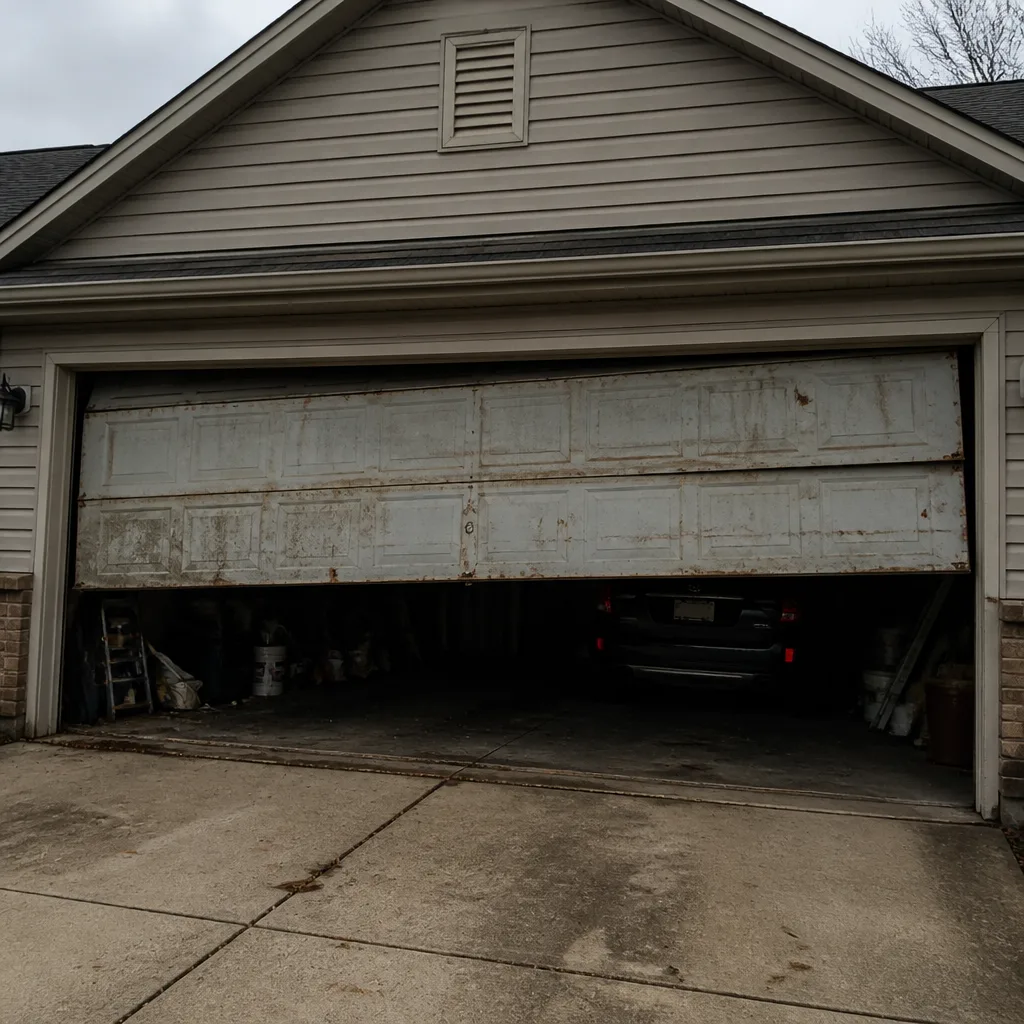 Before
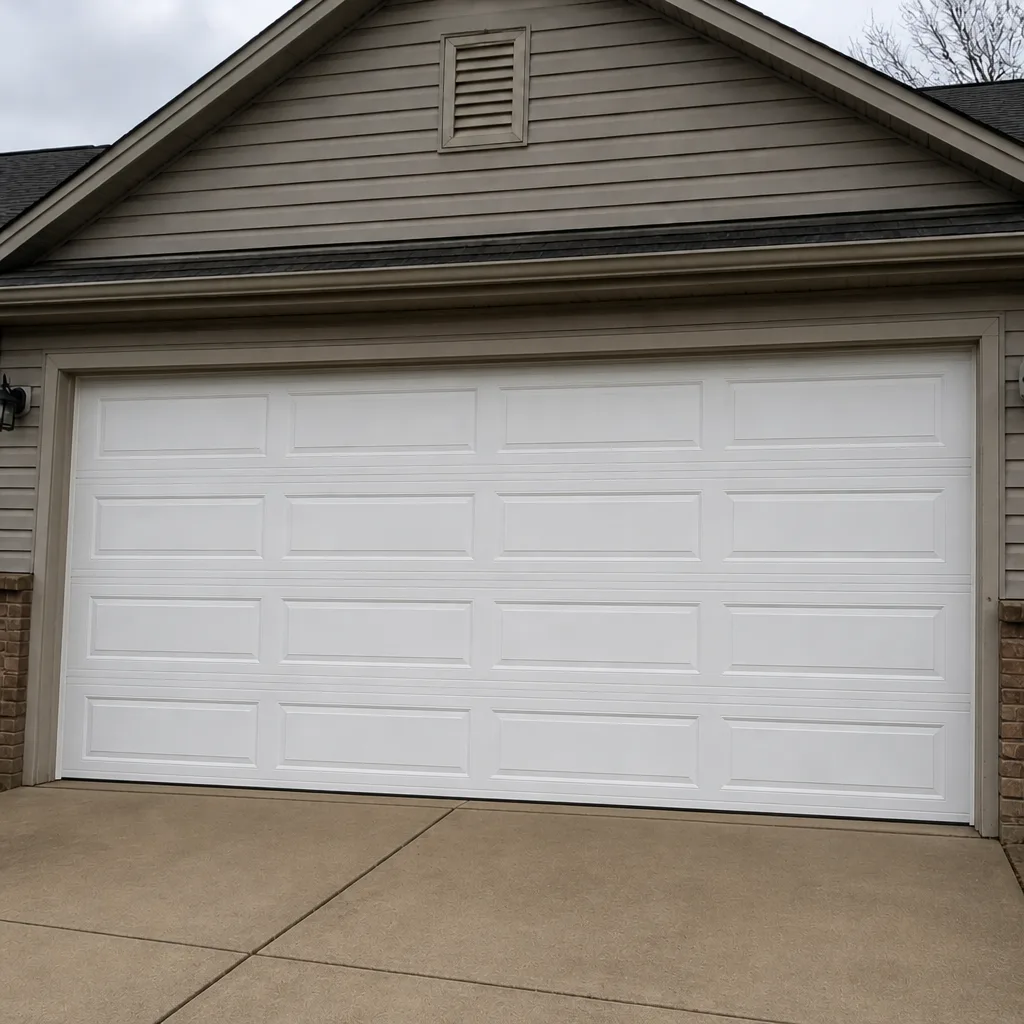 After
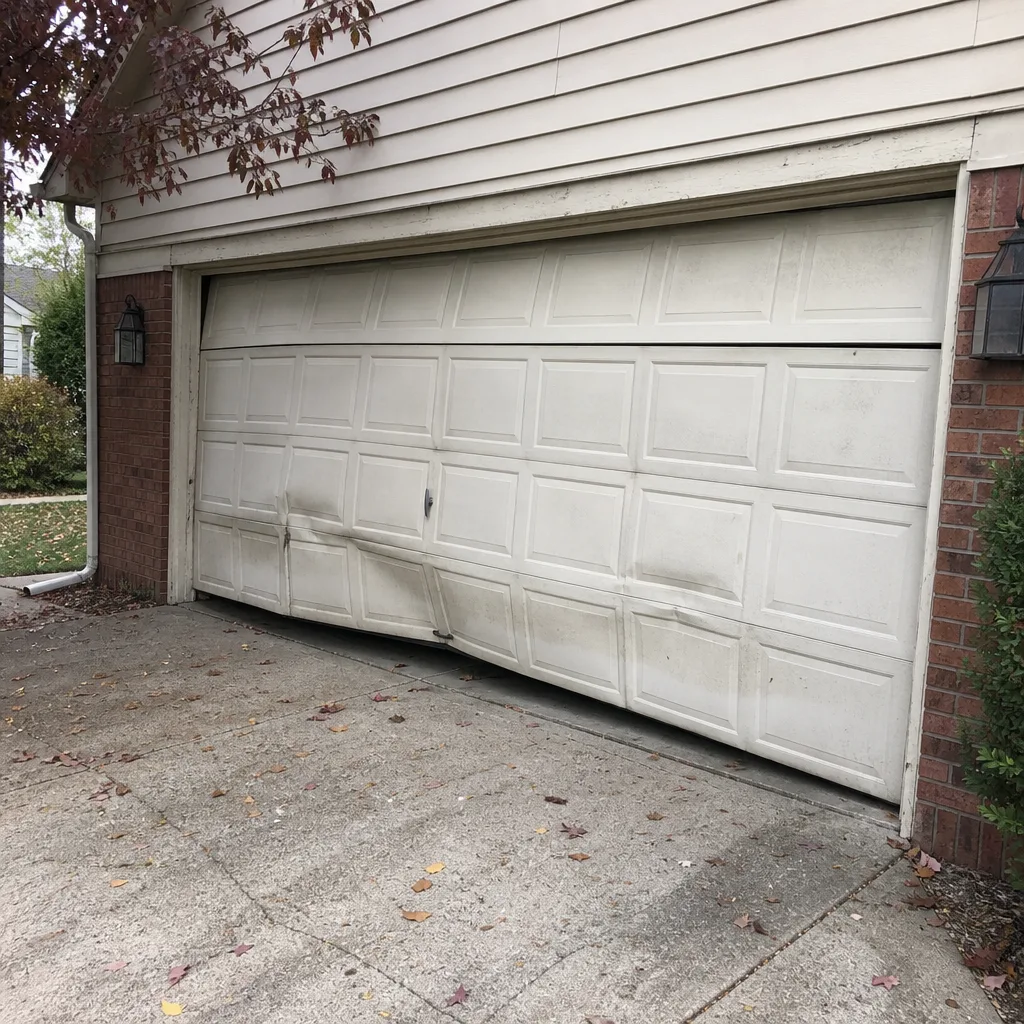 Before
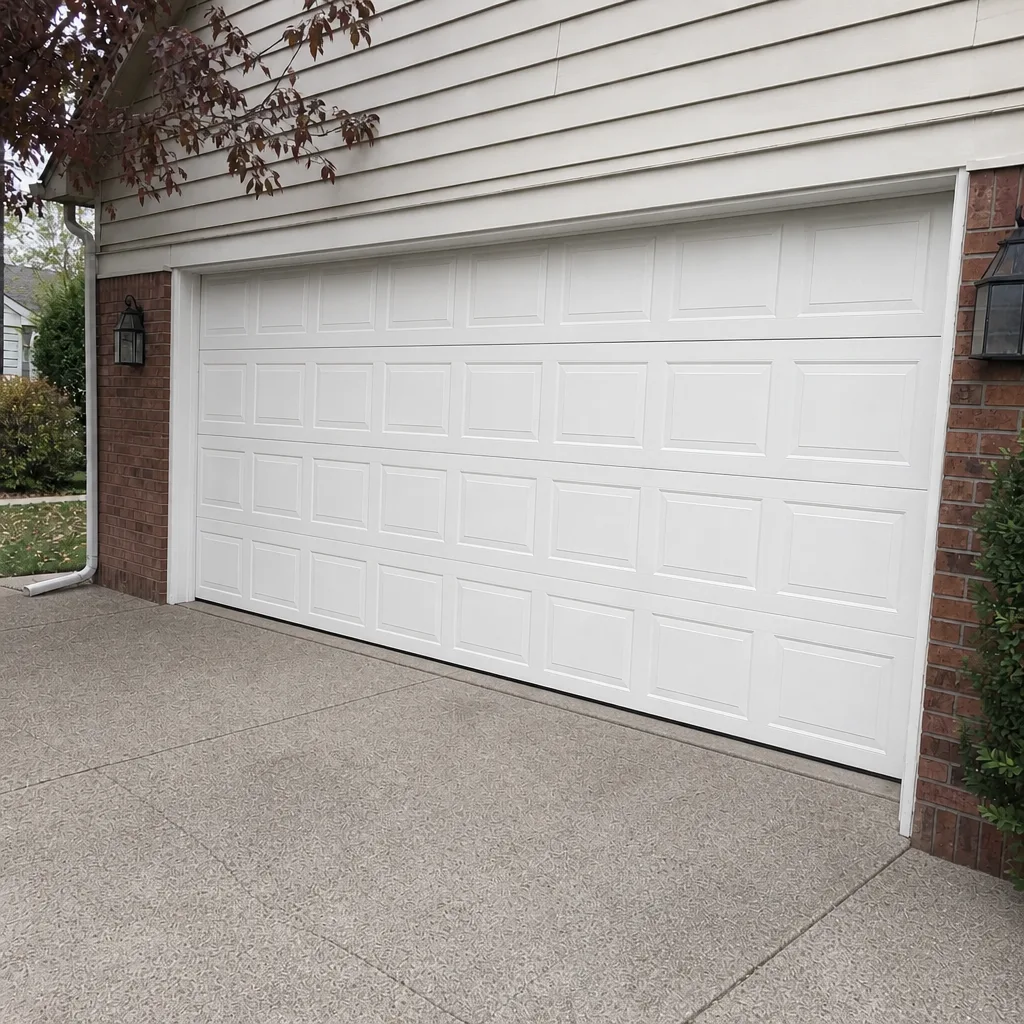 After
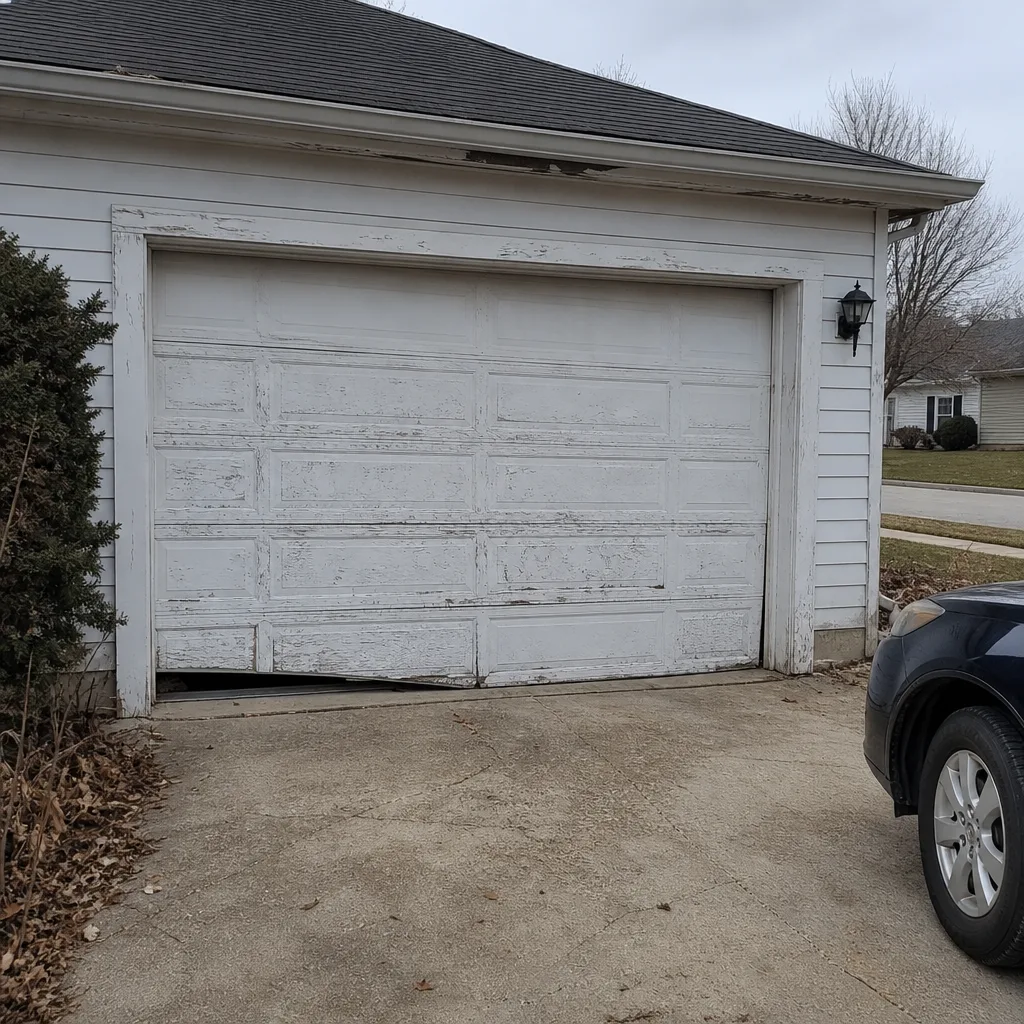 Before
 After
Frequently Asked Questions
Four times a year, matched to the four weather phases in this guide. Winter and spring checks focus on cold-weather strain and freeze-thaw damage, summer checks on heat-related sensor and seal issues, and fall prep sets the door up for winter. If you only do one full inspection, make it the fall sequence.
Cold temperatures shift spring tension and thicken lubricant, which makes the door harder to move and forces the opener to work harder. A door that’s sluggish in cold is showing you excess resistance. Call (866) 371-6990 for an exact quote on a diagnosis; estimates are free.
No. Springs are the most dangerous component in your garage door system and store large amounts of energy even when the door is closed. Adjusting or replacing them requires training and proper tools. Leave spring work to a technician.
Likely a photo-eye sensor that’s slightly out of alignment from heat expansion, or an opener hitting thermal overload because the door is running against too much resistance. Check that the sensors are clean and square, then have the door inspected. Call (866) 371-6990 to book an exact quote; estimates are free.
It becomes serious once the panel binds against the frame, stops sitting flush, or lets water behind the finish. At that point it’s affecting the door’s balance and the opener’s load. Cosmetic waviness that comes and goes with humidity is normal; binding and water intrusion are not.
No. We quote the price and you agree to it before any work starts, and the written estimate is the final price. Call (866) 371-6990 for a free estimate. We answer 24/7, with fast dispatch from 7am to 7pm, Sunday through Friday.
The Bottom Line
Seasonal care in Plainfield isn’t a single checklist; it’s four different ones. Winter asks you to listen for sluggish operation and avoid the springs. Spring asks you to look for track shifts and cable wear after freeze-thaw. Summer asks you to check sensors and seals and understand why openers overheat. Fall is where the real payoff is, if you do the inspection, balance, cleaning, lubrication, and testing in the right order. Get those four phases right and you’re treating the problems your climate actually creates, which is cheaper and safer than waiting for a failure in the cold.
If a door has already failed, or you’d rather have a trained eye do the seasonal inspection, call Plainfield Garage Door Repair Experts at (866) 371-6990 for a free estimate. We specialize exclusively in garage doors, work on every major brand, and stand behind the work we do.
Written by the team at Plainfield Garage Door Repair Experts.