
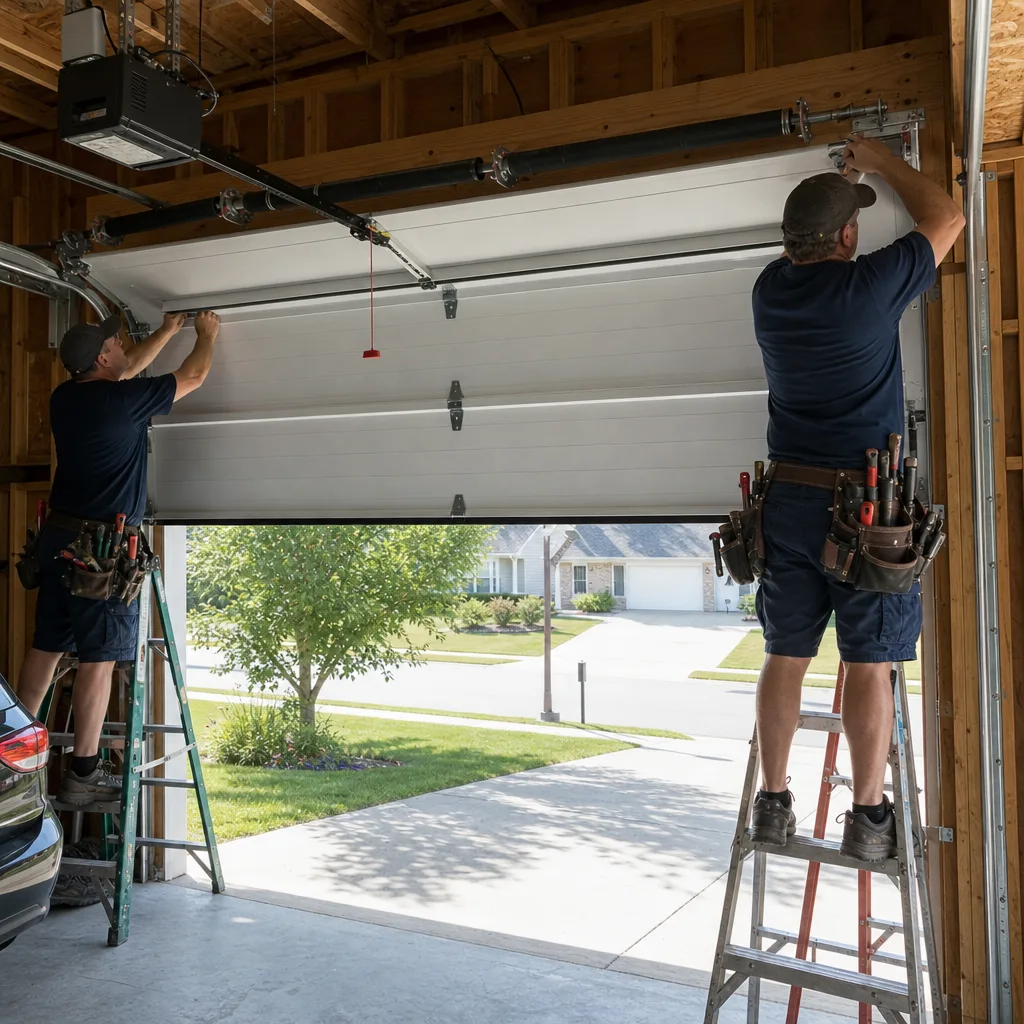
Last updated November 22, 2026
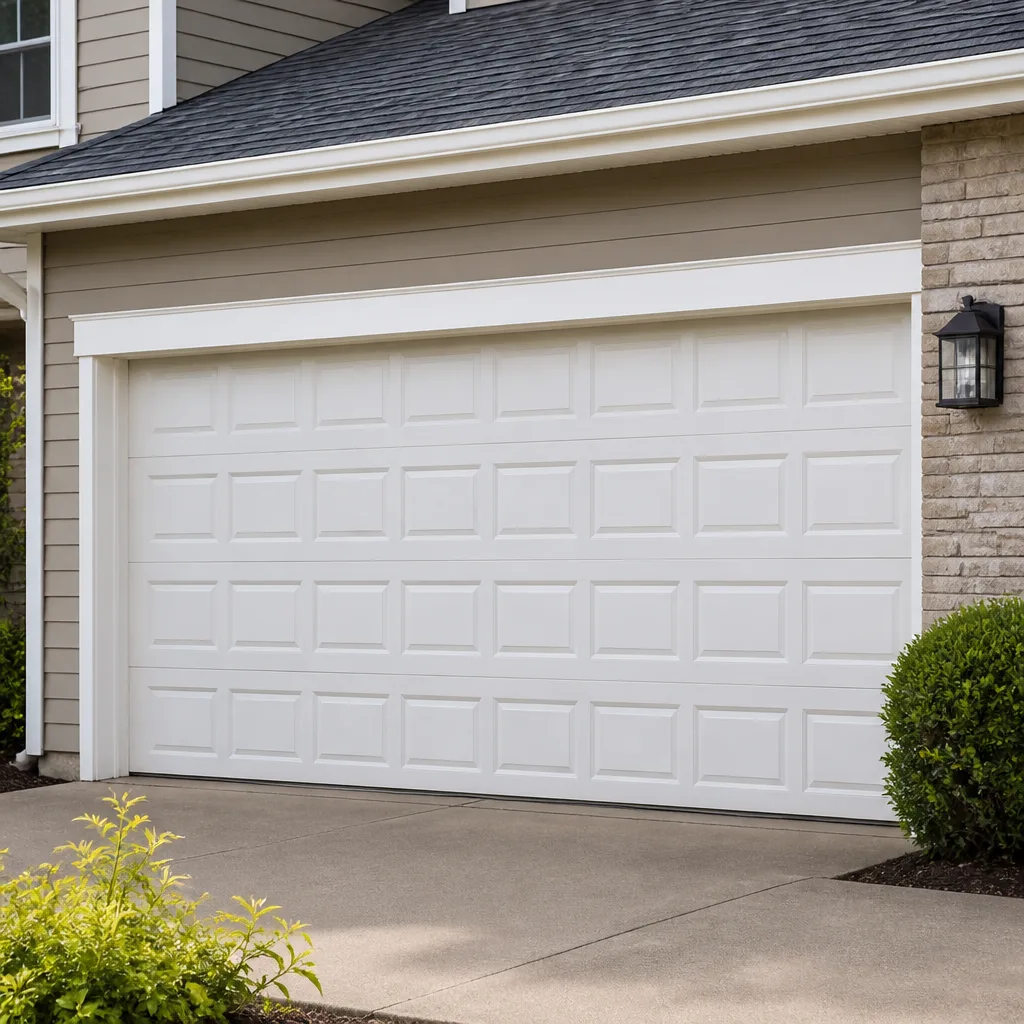 Raised-panel steel
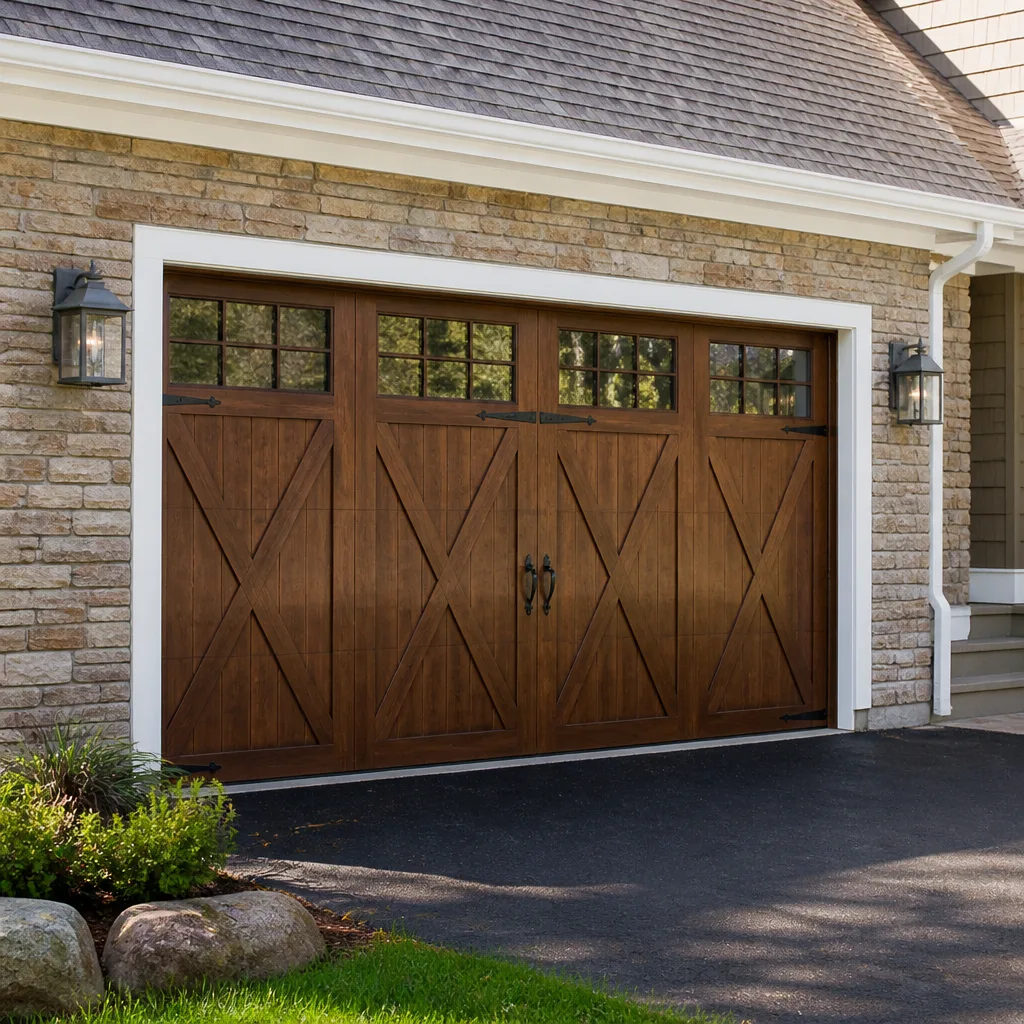 Carriage house
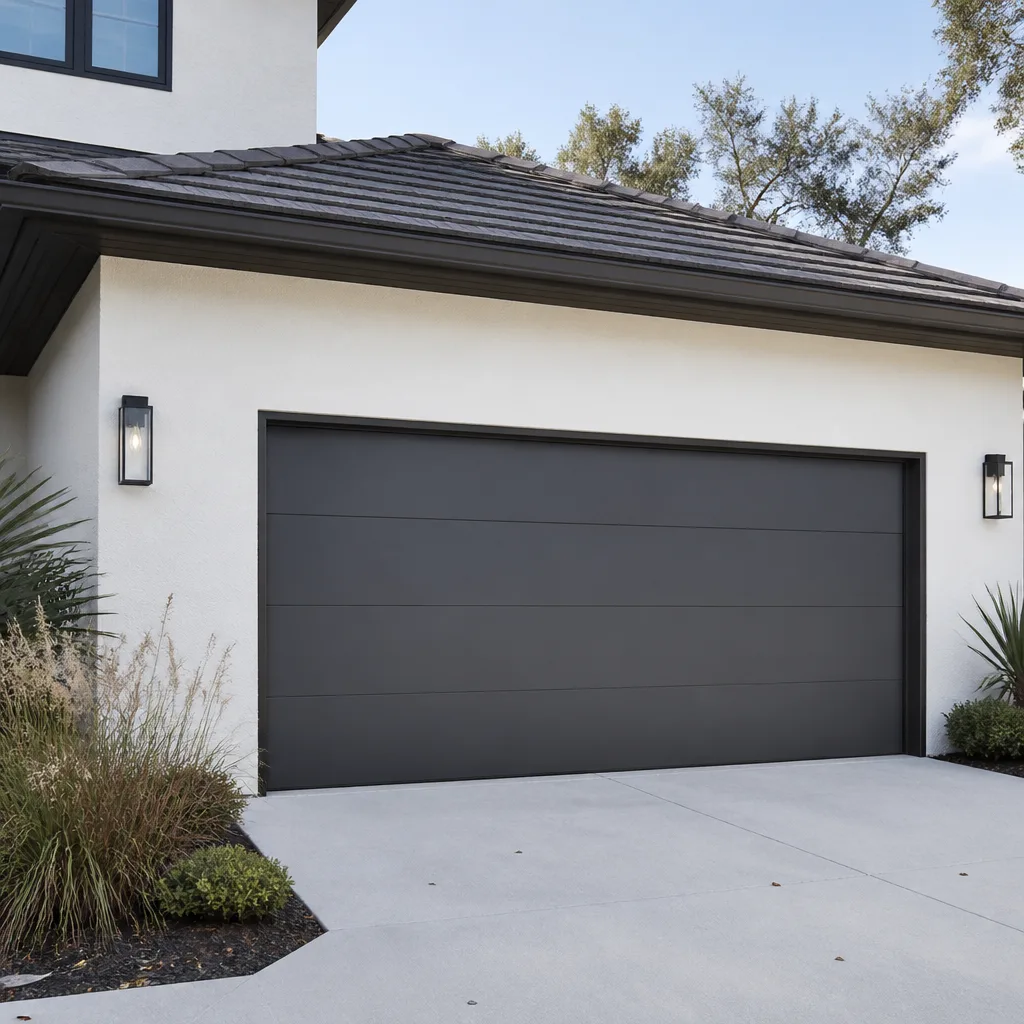 Modern flush
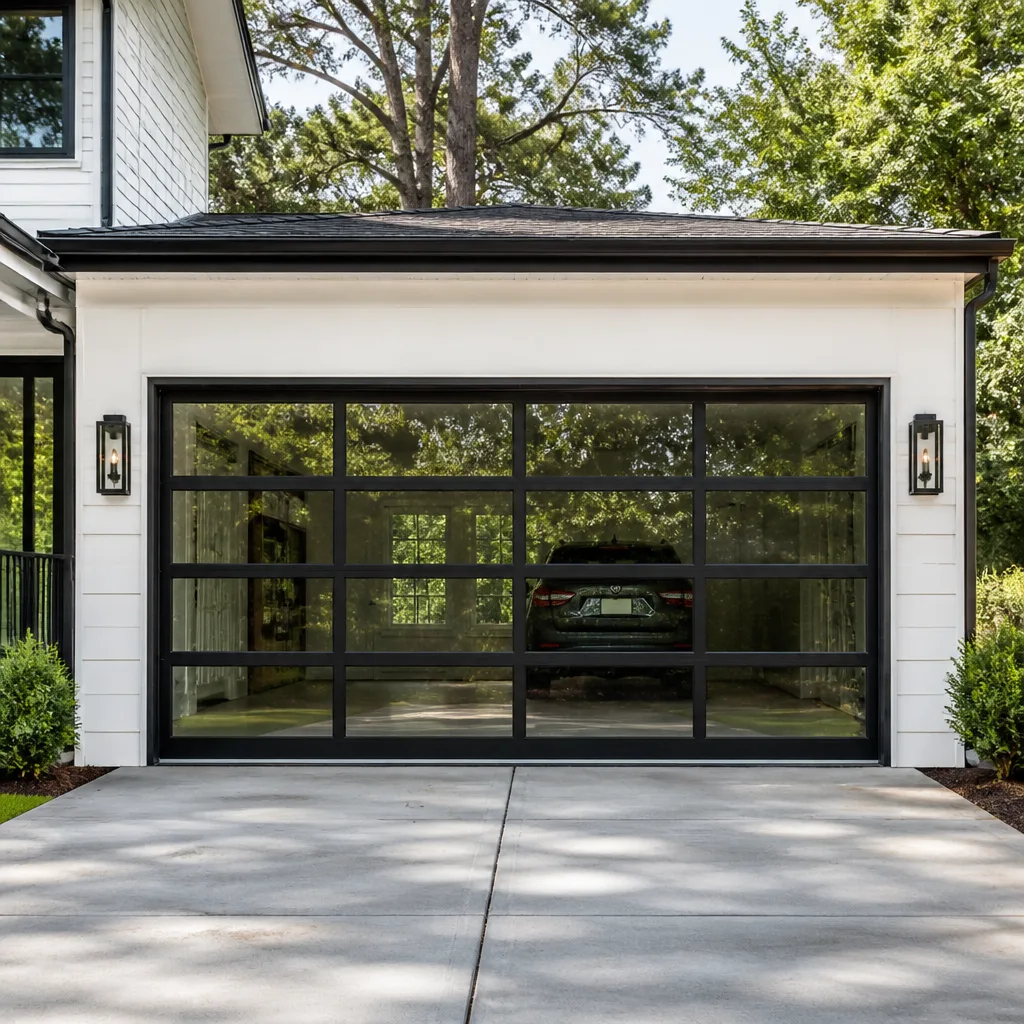 Full-view glass
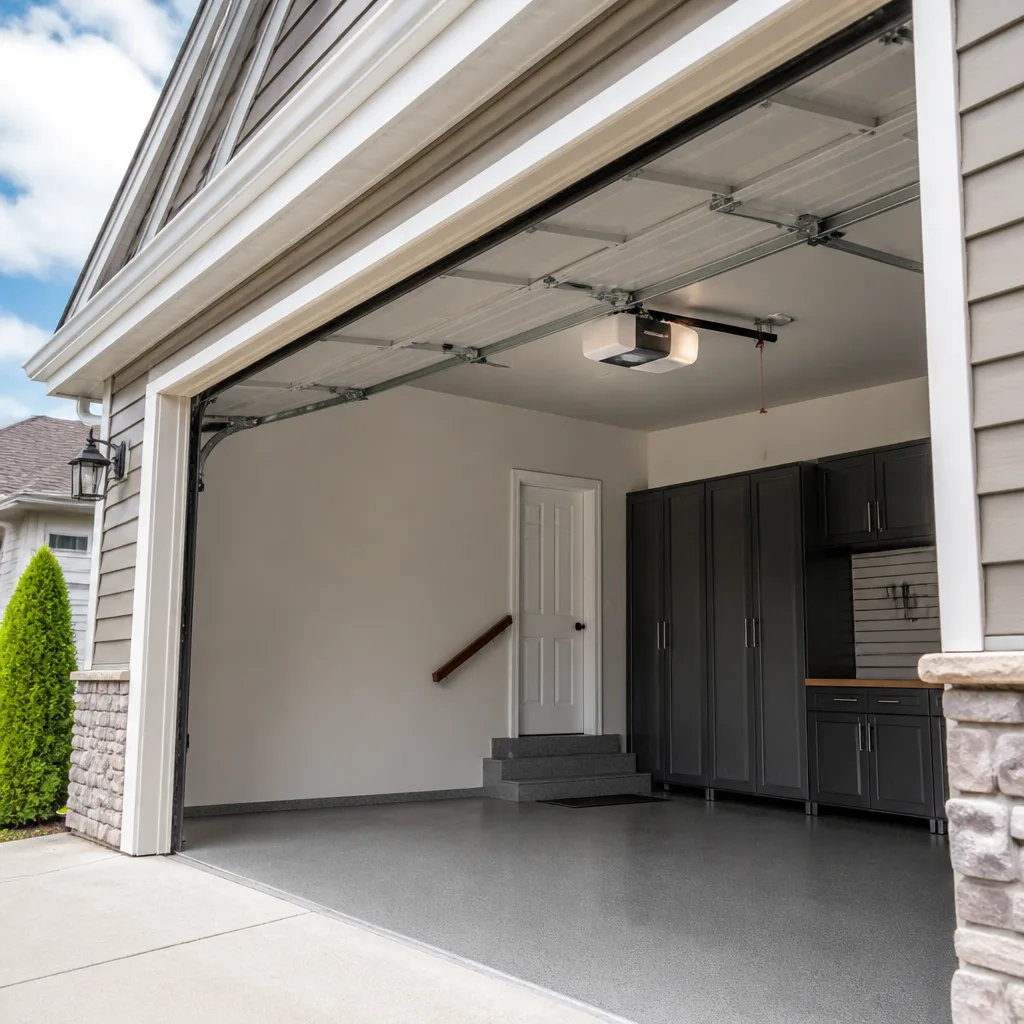 LiftMaster openers
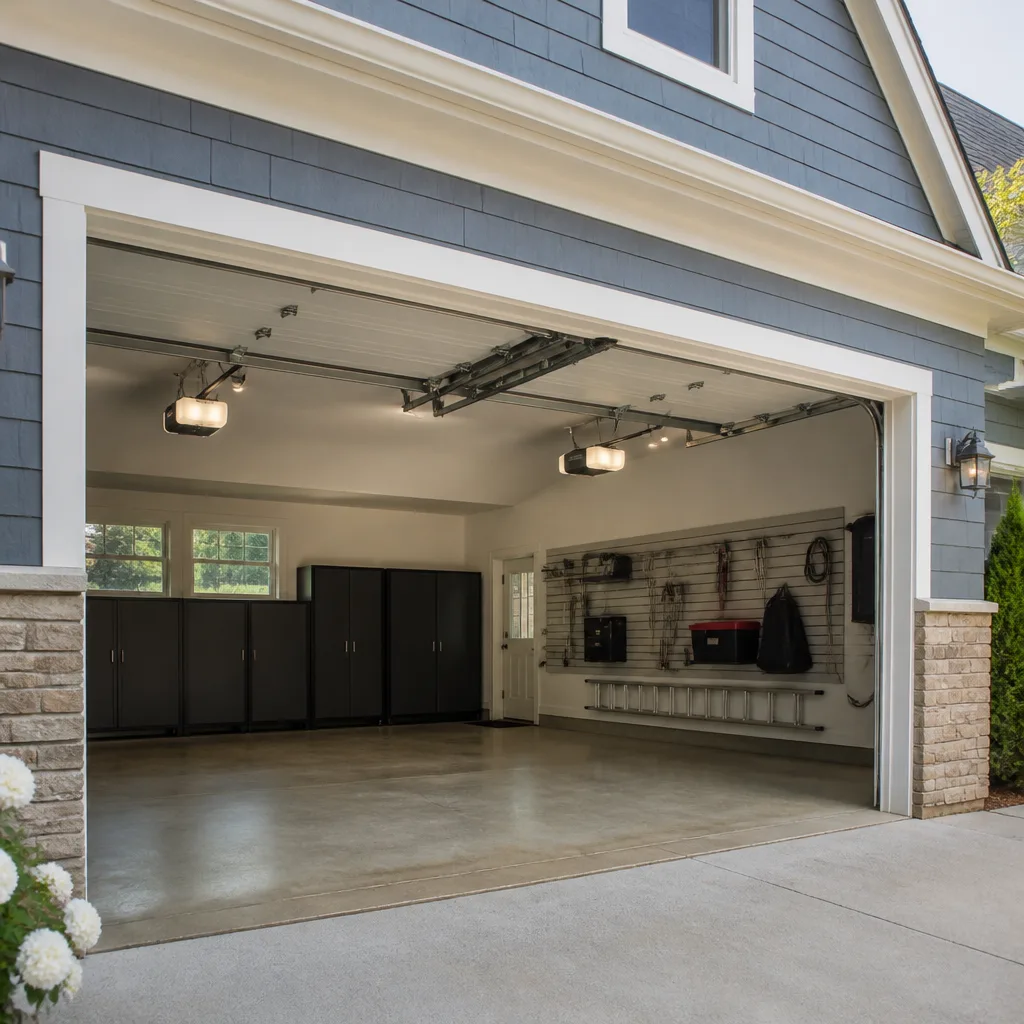 Chamberlain openers
Full 25-point door and opener safety check with every visit - springs, cables, rollers, tracks, and your LiftMaster or Chamberlain opener included
You get a price before we start. It does not change when the pro arrives.
Get your free estimateHow to Hire a Garage Door Contractor in Plainfield: A Step-by-Step Guide
Most homeowners in Plainfield vet a contractor by asking about insurance and references. Both matter, but they miss the bigger problem. A general handyman can pass every background check and still misdiagnose your door, because garage doors aren’t a handyman trade. Three of the most common “repairs” we see performed by generalists turn out to be fixes for the wrong component: a door that reverses on contact blamed on the opener when a misaligned track is the real cause; a slow-closing door treated as an opener failure when a worn spring is the culprit; a scraping door shimmed at the hinge when the panel itself is out of square. Without brand-specific knowledge, the visible symptom rarely points to the actual cause. This guide walks you through how to hire a garage door contractor in Plainfield, step by step, so you don’t pay twice for one problem.
Quick Answer
To hire a garage door contractor in Plainfield, confirm three things before you book: the company works on garage doors exclusively (not as one item on a general handyman menu), its technicians are trained on the specific brand and model you already own, and every quote is written out line by line with a separate warranty for parts and labor. A specialist diagnoses the actual failing component on the first visit. A generalist guesses, replaces the wrong part, and you call someone else a month later.
Styles & brands we work with
- Raised-panel steel
- Carriage house
- Modern flush
- Full-view glass
- LiftMaster openers
- Chamberlain openers
Table of Contents
- Specialist vs. Generalist: Why It Matters in Plainfield
- The Five Questions That Separate Specialists From Handymen
- Why Licensing Works Differently for Garage Door Work in Indiana
- How to Read a Garage Door Quote Line by Line
- How to Verify Multi-Brand Expertise Before You Book
- What a Real Parts and Labor Warranty Looks Like
- Spring Repair: The One Job You Should Never Price-Shop
- What Makes Garage Doors in Plainfield Different
Specialist vs. Generalist: Why It Matters in Plainfield
A garage door system has two layers: the door itself, with its springs, cables, rollers, hinges and tracks, and the mechanical opener that drives it. The two interact constantly, and a fault in one layer often presents as a fault in the other. Diagnosing that interaction correctly takes a specialist who sees the same systems every day, not a handyman who reaches a garage door between drywall patches and faucet repairs.
In our experience across Plainfield, the cost of a misdiagnosis stacks up fast. A technician who replaces an opener when the actual problem was a stretched spring hasn’t solved anything; the new opener is now driving a door it can’t lift, and the whole cycle repeats. A generalist who adjusts a torsion spring without the right winding bars is working on the most dangerous component in the entire system without the training to do it safely.
A dedicated garage door company brings three practical benefits to your driveway:
- Faster diagnosis. When 100% of your work is garage doors, the diagnostic path is well-worn. A specialist knows what a failing spring feels like versus a failing opener versus a bent track, often before touching a tool.
- Brand-specific parts knowledge. Every opener and door brand has quirks. A Clopay door with a LiftMaster opener might need a specific bracket, and a specialist knows whether the one in their kit fits before they make the trip.
- Full-system coverage. Springs, opener, track, cables, hinges, panels, and full door installation, all handled by one company. No handoffs between a door guy and an electrician who won’t touch the opener.
A specialist isn’t more expensive because they charge more per job. A specialist is less expensive because they only do the job once. If you want to see what focused service looks like in practice, the Plainfield Garage Door Repair Experts page breaks down what a full-system diagnostic actually covers.
The Five Questions That Separate Specialists From Handymen
You can filter the field with five questions on the first phone call. A specialist answers each one directly, with detail. A generalist hedges, deflects, or promises to “take a look and figure it out.”
- “What’s the last garage door repair you did where the problem wasn’t where it first appeared?” A specialist will describe a real diagnostic process: checking the door’s balance before blaming the opener, testing spring tension before replacing a motor, feeling for a bad roller before adjusting a sensor. A generalist will talk about credentials, not cases.
- “Which brands of opener do you carry parts for on your truck?” The answer reveals real capability. A specialist who works on Chamberlain, Genie, LiftMaster, Craftsman and Raynor on a regular basis will name them without thinking. A generalist will say “we handle all brands,” which usually means they order whatever’s available and reschedule you for a return trip.
- “What’s the warranty on the spring, and what’s the warranty on the labor?” A specialist will give you two numbers, because parts warranties and labor warranties are different things and often come from different places (the manufacturer versus the contractor). A generalist will give you one number and hope you don’t ask again.
- “Do you service the door and the opener, or just one?” If the answer is “just the opener” or “just the door,” you’ll need two contractors for a single system. A specialist covers the whole assembly.
- “What do you do first when a door won’t close?” Listen for the sequence. A specialist checks the safety eyes, then the tracks, then the springs, then the opener logic. A generalist starts at the opener and works backward, which is why they replace so many parts that weren’t broken.
Notice none of these questions ask about years in business, review counts or price. Those come later. These five questions are about diagnostic depth, and diagnostic depth is what saves you from a repeat service call.
Why Licensing Works Differently for Garage Door Work in Indiana
Indiana doesn’t require a statewide license for residential garage door contractors the way some states do. That’s a real difference from states like California or Florida, and it has two consequences worth understanding before you hire in Plainfield. First, the license number you’d usually check on a state website may not exist. Second, the barrier to entry for garage door work is lower than in states with mandated contractor registration, which is precisely why the specialist-versus-generalist filter matters more here.
What you can and should verify in Indiana instead:
- General liability insurance. Any legitimate garage door contractor carries it, and any legitimate business can produce a certificate on request. Ask before they arrive, and note whether the certificate is current.
- Workers’ compensation coverage. If the contractor employs technicians, this protects you from liability if someone is injured on your property. Ask if it applies, and if the business is a sole operator, understand that the person on your driveway is the contractor.
- Business registration. A registered Indiana business entity is a baseline check. You can look up a business name through the state’s business records. A company that doesn’t appear may still be legitimate, but it’s a question worth asking.
- Local permit requirements. Some new door installations require a permit depending on the scope and local rules. Ask your contractor whether a permit is needed for your job, and ask Plainfield’s building department directly if you want confirmation. A specialist will know the answer or know how to find it.
None of this replaces the specialist filter. A fully insured generalist who misdiagnoses your door is still a generalist. But insurance verification is a cheap, fast background check that shouldn’t be skipped in a state where the licensing bar is lower.
How to Read a Garage Door Quote Line by Line
The structure of a quote tells you almost as much as the number at the bottom. A transparent quote breaks out every component: the spring, the labor, the winding bars (if you’re keeping them), the cable set, the rollers, the disposal. A vague quote says “labor and parts” as a single line and leaves you guessing what you’re actually paying for.
Here’s how a strong quote reads versus a weak one:
| What you see | What it means |
|---|---|
| Separate line items for parts and labor | You can compare parts pricing and labor pricing independently. A specialist who knows their costs usually prices this way. |
| A single “service fee” line with no breakdown | You can’t tell what you’re paying for or whether you’re being marked up. A flat fee can hide either efficiency or padding. |
| Spring priced per spring, with a note about a matched pair | Springs are usually replaced in pairs. A quote for one spring when your door has two is a red flag; a quote that explains the pair is the sign of a contractor who’s done this hundreds of times. |
| Openers quoted with model numbers | A specific model (a LiftMaster, a Chamberlain, a Genie) tells you exactly what you’re getting. A quote that says “new opener” could mean anything. |
| Warranty stated separately for parts and labor | Two warranties, two sources of accountability. One blanket good-luck statement isn’t the same thing. |
Ask for the quote in writing before any work starts. The written estimate sets the final price, and a reputable contractor won’t be offended by the ask. Estimation on a specific job involves a physical look at the door and opener, and the most accurate quotes in Plainfield tend to come from contractors who measure the door’s dimensions, note the spring count and type, and record the opener’s make and model before pricing anything.
If you suspect you’re being quoted on the wrong component, a second estimate on garage door repair from a specialist is a small investment compared to a repair that doesn’t hold. The estimate is free, and a specialist will tell you what’s actually broken.
How to Verify Multi-Brand Expertise Before You Book
Any contractor can say they service all brands. That sentence costs nothing and gets said by a lot of people who’ve worked on exactly one system. The way to test the claim is to ask a question only brand-specific experience can answer.
Here’s a practical script for the phone call. Ask which opener brands they carry parts for, then follow up with the brand you actually own:
- If you own a LiftMaster, ask whether they can diagnose the wall control and the safety sensor circuit on the same visit. A technician who works on these regularly will have a clear answer.
- If you own a Chamberlain, ask about the belt-drive versus chain-drive configuration on your model and whether a stripped gear is typically a bench repair or replaced assembly on your system.
- If you own a Genie, ask how they handle the older screw-drive units that are still common on some Plainfield doors, and whether parts are readily available or the smarter move is replacement.
- If you have a Clopay or Amarr door, ask whether they can source a matching panel for a dent repair, or whether the model is likely to require a full door replacement due to panel availability.
A specialist who works on these brands every week will answer in seconds. A generalist will “check with the supplier,” which almost always means a second visit and a markup.
One more test: ask which brands the company stocks parts for physically, not which they claim to service. Every garage door company can order a part. The better question is which parts are usually available when the technician arrives. A specialist who knows LiftMaster, Chamberlain, Genie, Craftsman and Raynor systems well is likely to have the common wear items for those systems on hand, and to know how to get the less common parts quickly. If you’re curious what a full opener diagnostic looks like, the garage door opener repair page shows the layers a specialist checks before recommending a replacement.
What a Real Parts and Labor Warranty Looks Like
A warranty is only as valuable as the contractor who has to honor it, and the terms vary wildly across the trade. What you want is a warranty that separates parts and labor, tells you how long each is covered, and states what voids it.
Three things to look for in the paperwork:
- Two separate terms for parts and labor. A manufacturer’s warranty covers the part. A labor warranty covers the cost of the technician coming out to reinstall it. Both need to be stated, and both need to have a term. A 90-day labor warranty is the industry floor, not a selling point: anything shorter than that means the risk of a failed repair lands on you. A warranty of 90 days or more on labor is a fair baseline for most repairs.
- A clear statement of what voids the warranty. Common void conditions include the homeowner attempting a repair, a second contractor touching the same system, or the part failing for a reason unrelated to workmanship (a power surge, for example). A written policy makes the boundaries clear.
- Named installation warranty for new doors and openers. New installation is different from repair. A new door or opener warranty should specify who covers the product and who covers the installation, and for how long. Ask for this in writing before the order is placed.
Ask for the warranty terms before you approve the quote, not after. A specialist will hand them to you without being asked twice. A generalist will offer a verbal promise and hope you don’t push.
One more thing that’s often missing from warranty conversations: the spring. Springs carry a manufacturer’s warranty that varies by the spring type, and the labor warranty covers the installation. If a contractor won’t separate the two when you ask, that’s an answer in itself. Spring repair is the highest-risk job in the trade, and garage door spring repair is worth understanding before anyone touches yours.
Spring Repair: The One Job You Should Never Price-Shop
Springs are the most dangerous component in your garage door system, and they are the one part of this trade where a cheap quote can cost more than a fair one. A torsion spring stores enough force to lift a door that weighs hundreds of pounds, and releasing that force improperly can cause serious injury. Extension springs on older doors carry the same risk. Our technicians handle both types with the training and winding bars the job requires.
What you should know before a spring repair quote:
- Prices are per spring. A typical spring repair quote is for one spring. Most doors have two, and when one breaks, the other is on the same wear timeline. When a technician quotes a single spring and the matched pair, that’s not a sales tactic. It’s how the system actually works.
- Ask for the spring type, wire size and expected cycle life in writing. A specialist will provide the specifications. A generalist will quote “a spring.”
- Never approve spring work from a contractor who won’t demonstrate the new spring in front of you before installation. The part should be visible, new and matched to your door’s weight and dimensions.
- We don’t recommend DIY spring repair. We genuinely mean this. The risk isn’t worth the savings. If your spring is broken, call a professional.
Spring repair is also where the generalist’s failure mode shows up most clearly. A handyman who replaces a broken spring but doesn’t check the other one, or who installs a spring rated for a different door weight, leaves the door out of balance and creates a second failure timeline. A specialist checks both springs, confirms the door’s balance afterward, and tests the opener’s travel limits before leaving.
What Makes Garage Doors in Plainfield Different
Central Indiana’s climate puts garage doors through a real range. Summers average in the eighties, winters regularly drop into the teens and single digits, and the temperature swings between seasons can hit sixty degrees or more. That swing moves metal, and a garage door is mostly metal. A door that’s fine in April can scrape, stick or sag by January, not because anything broke, but because the door’s components have expanded or contracted against each other.
Plainfield’s newer subdivisions tend to run toward two-car garages with overhead door systems installed around the same era, which means springs and openers across a neighborhood can reach the end of their service life within a few years of each other. If your neighbors have been replacing openers, that’s a signal about the wear cycle on yours, not a coincidence. And as more homeowners add smart-home openers, more of the calls we get are about the pairing between a newer LiftMaster or Chamberlain opener and a door that hasn’t been serviced in years. Pairing a new opener with an old, out-of-balance door is one of the most common service calls we handle in Plainfield.
Climate also affects the track. Cold-weather contraction can pull a track out of alignment, which shows up as a door that binds or hesitates in the cold months. Heat does the opposite: expansion can make a door that was quiet in March start to groan in July. Neither of those is an opener failure, and both are misdiagnosed as one. If your door has seasonal symptoms, note when they appear before you call. It’s the single most useful piece of information you can give a technician in Plainfield.
Common Mistakes to Avoid
- Hiring a handyman for a garage door repair. Generalists diagnose by component replacement and often replace parts that aren’t the cause. A specialist diagnoses the actual failing part, which usually costs less in the end.
- Skipping the question about brand experience. Ask which brands the contractor stocks parts for before you book. A business that stocks for Chamberlain, Genie and LiftMaster will save you a second trip.
- Approving a quote with a single “service fee” line. Unbundled quotes hide markups. Ask for line-item detail on parts and labor, every time.
- Treating a 90-day labor warranty as a bonus. It’s the floor, not a feature. A warranty shorter than that is a sign the contractor expects the repair not to hold.
- Hiring whoever answers first. Garage door problems are urgent, but the first call isn’t always the right call. You can still vet the company in the first two minutes on the phone with the five questions above.
- Applying salt-spreading habits to your garage door. Plainfield’s winter salt is hard on cars and driveways, but it’s not a garage door problem. Keep it away from your track and rollers, and don’t let it collect where the door meets the floor.
- Letting a door sit broken “until it’s warmer” or “until it’s cooler.” A broken spring or a door off its track is a daily strain on the opener and a security gap for the home. Schedule the repair before the season turns.
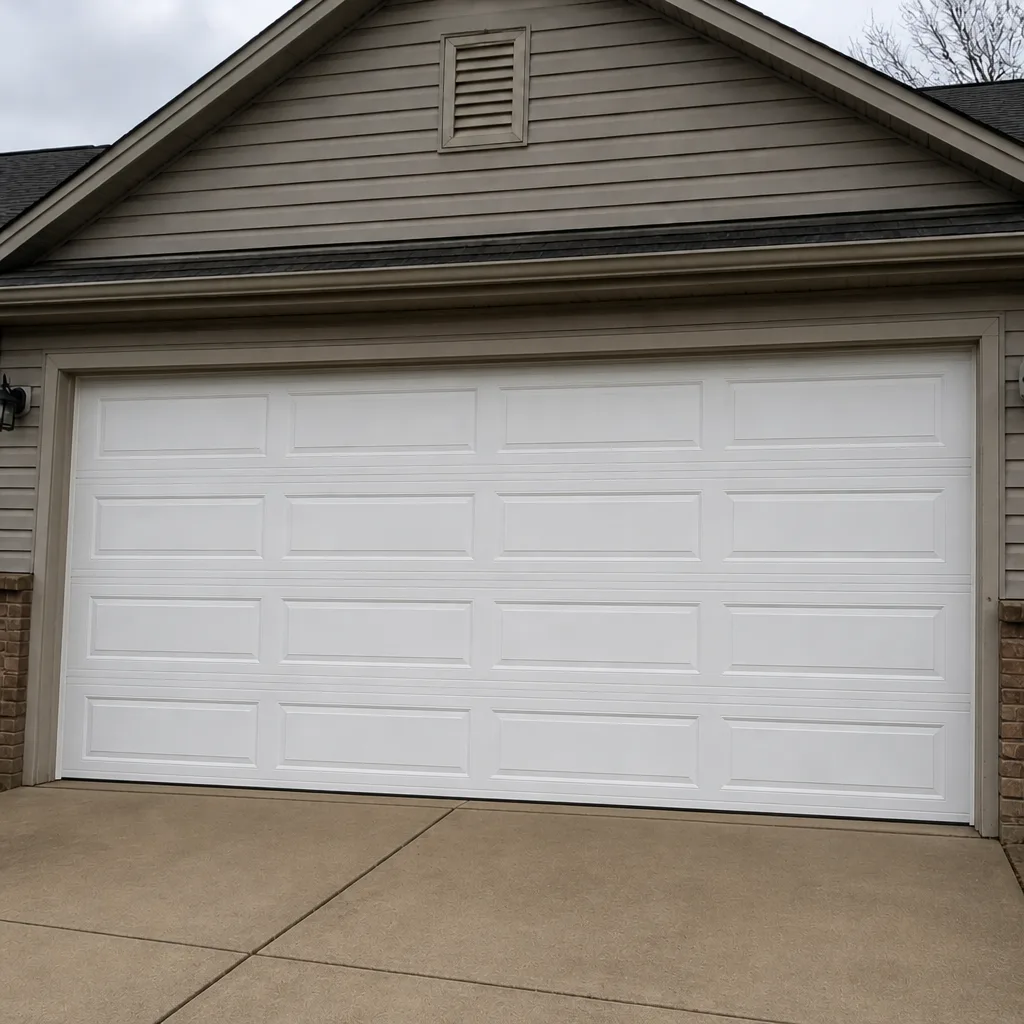
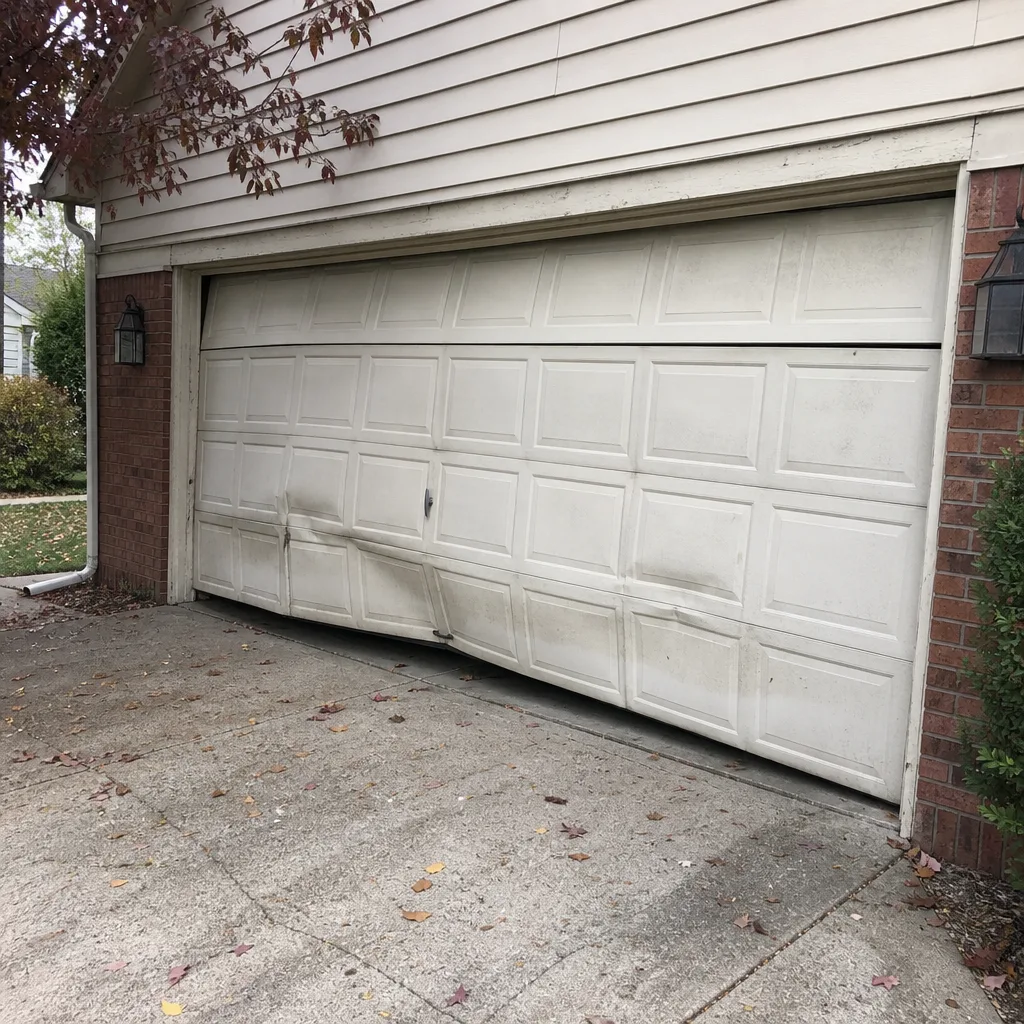
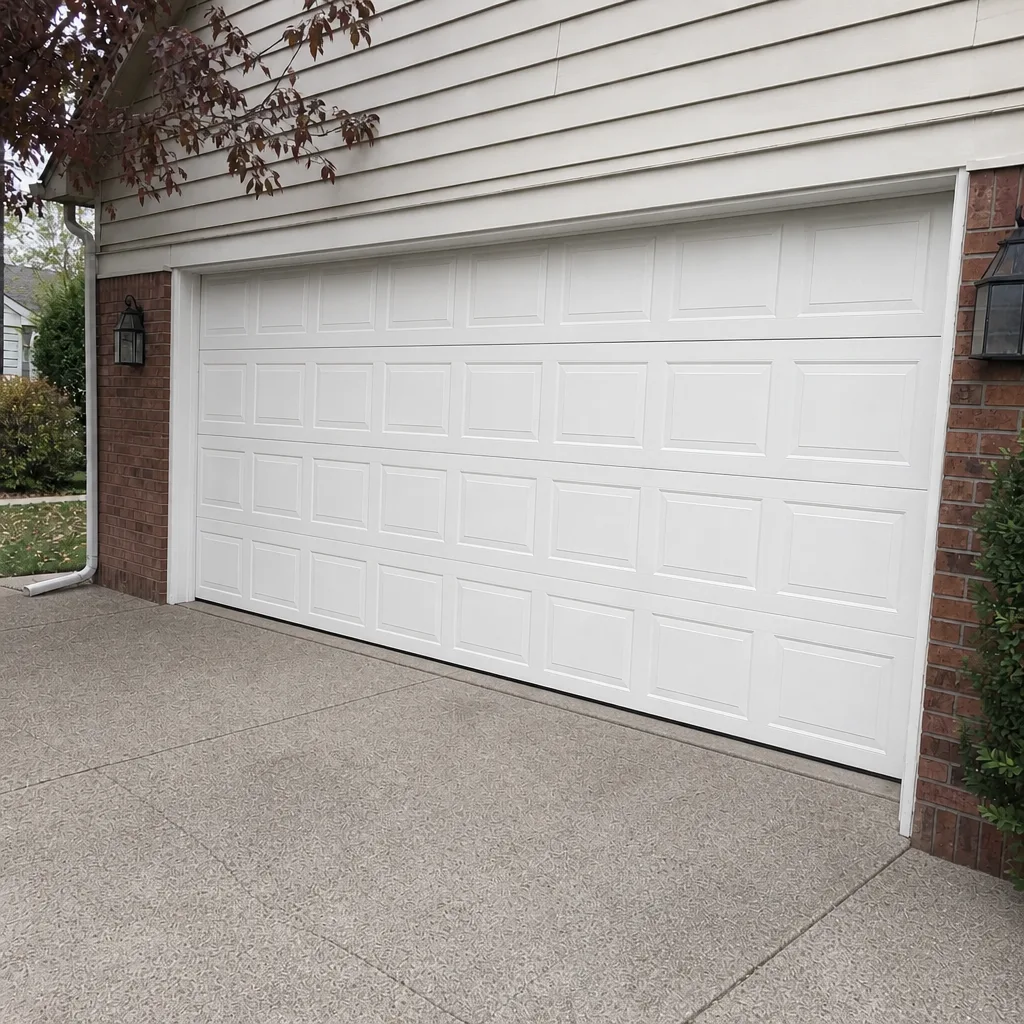
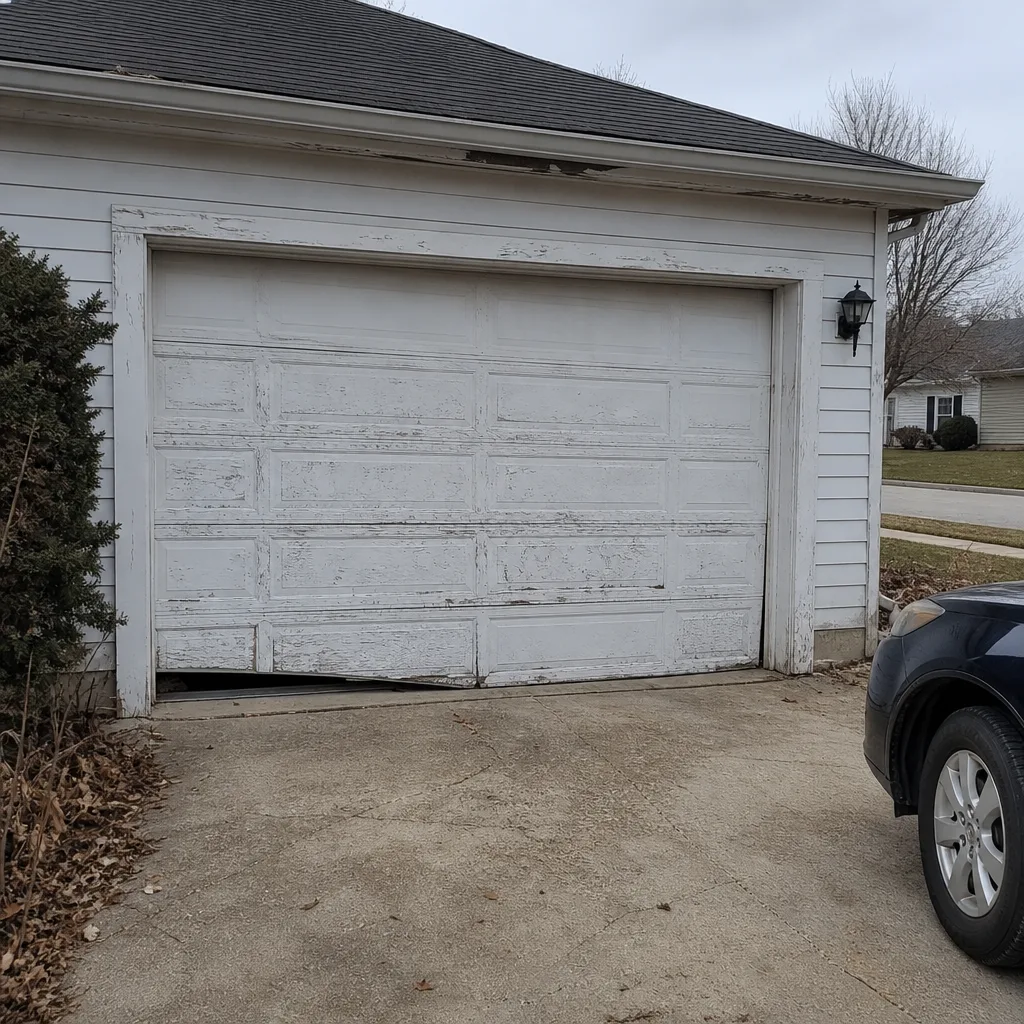
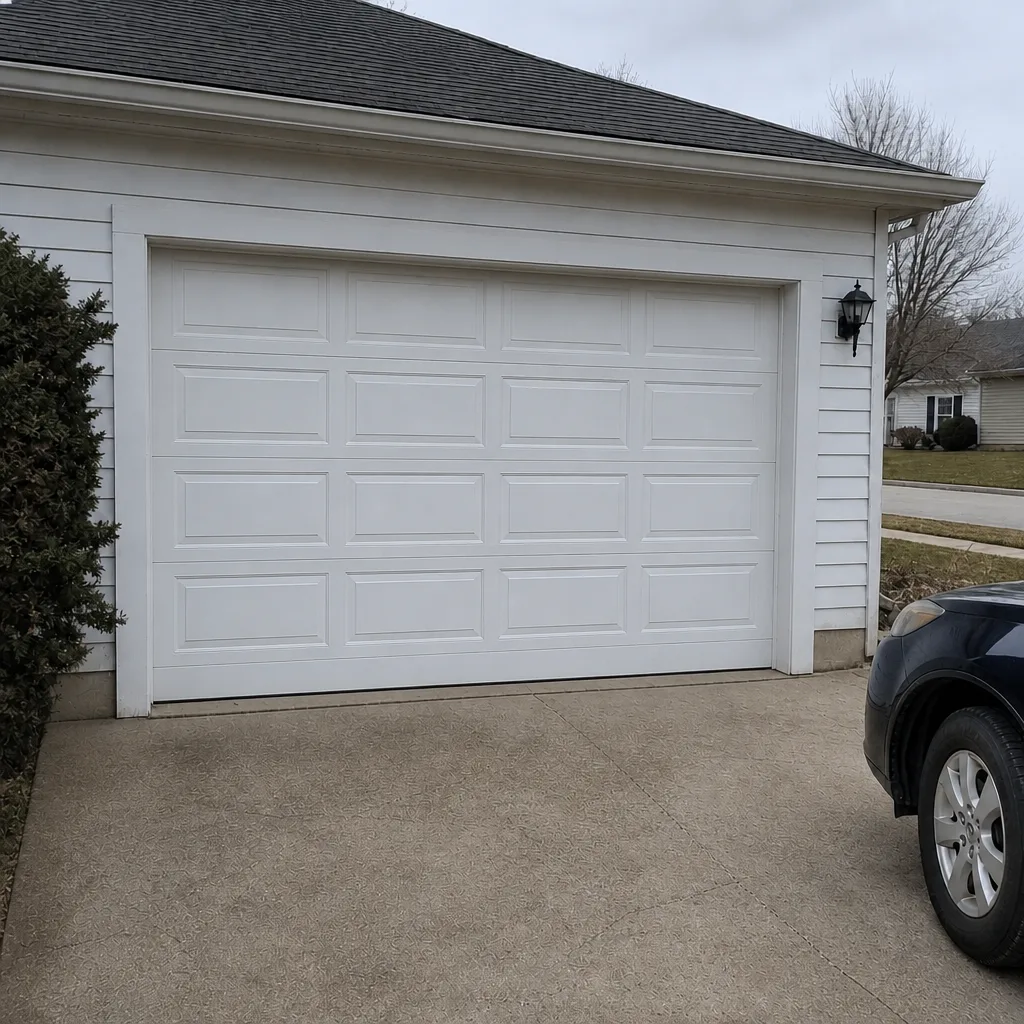
See the difference
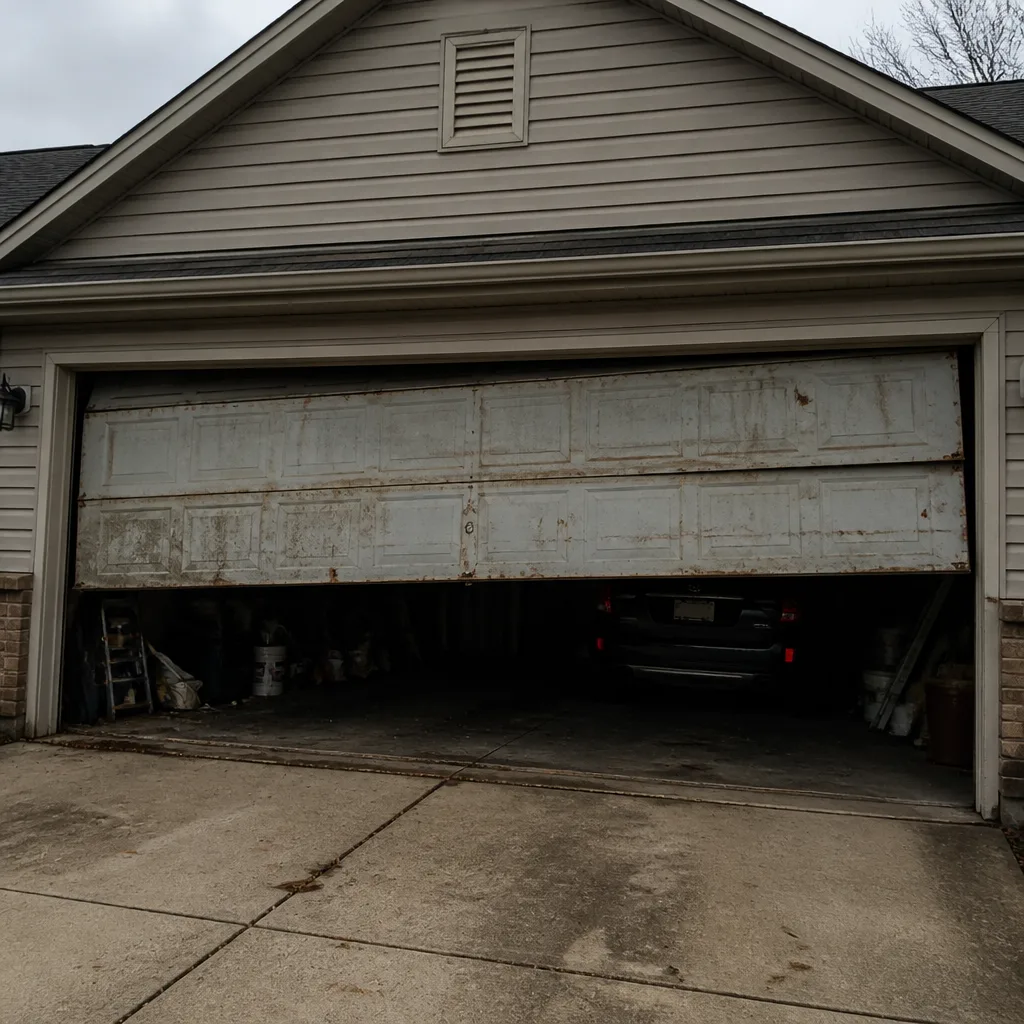 Before
 After
 Before
 After
 Before
 After
When to Call a Professional
Some garage door problems are obvious. A snapped spring, a door off its track, a door that goes down halfway and reverses without a visible obstruction, or an opener that runs without moving the door all require a professional. Others are quieter: a door that feels heavier than usual when you lift it manually, a scraping sound at the middle of the travel, a remote that works intermittently, a door that doesn’t sit flush with the floor. The quiet ones are where a specialist’s diagnostic depth matters most, because a generalist will likely miss them or replace the wrong component trying to fix them.
If you’re in Plainfield and you’re not sure whether your door needs a pro, that’s a reason to call rather than wait. Plainfield Garage Door Repair Experts offers free estimates in Plainfield. Call (866) 371-6990. We answer 24/7. Fast dispatch from 7am to 7pm, Sunday through Friday.
Frequently Asked Questions
Most routine garage door repairs in the Plainfield area land in a moderate range that depends entirely on which component failed, whether it’s one part or a pair, and the brand of opener or door involved. Spring repairs, opener repairs and track adjustments price differently because they involve different parts and labor. The written estimate you receive before work begins sets the final price, so you’ll know the number before anything is touched. Call (866) 371-6990 for an exact quote. Estimates are free.
Yes, urgent garage door failures are treated as a safety and security matter, and same-day service is available. A door that won’t close leaves your home exposed, and a door stuck open or jammed can be a genuine danger if someone tries to force it. Call (866) 371-6990. We answer 24/7. Fast dispatch from 7am to 7pm, Sunday through Friday.
No, the price is set by the written estimate and confirmed before any work begins. The one exception is if a technician finds a hidden problem that wasn’t visible when the estimate was given, and in that case you get a new written quote and approve it before the work continues. Nothing gets done without your approval. Call (866) 371-6990 for a free estimate on your door.
The local professionals we connect you with are licensed and insured as their state requires. Indiana doesn’t mandate a statewide garage door contractor license, so it’s worth asking any contractor for proof of general liability insurance and workers’ compensation coverage before they arrive. Our technicians have up to 10 years of experience working on LiftMaster, Chamberlain, Genie, Clopay, Amarr, Wayne Dalton, Craftsman and Raynor systems. Call (866) 371-6990 to get started.
A door usually needs replacement when the panels are structurally damaged, the model is discontinued and a matching panel can’t be sourced, or the door’s overall condition has deteriorated beyond what a repair can address. Most other problems, including springs, openers, tracks, cables, rollers and hinges, are repairable. A specialist will tell you which category your door falls into before quoting anything, and the estimate will make the comparison clear. Call (866) 371-6990 for a free assessment.
Ask for two warranty terms: one for the parts and one for the labor. A 90-day labor warranty is the industry floor, not an upgraded selling point. Spring manufacturers and opener manufacturers carry their own product warranties, and the contractor’s labor warranty covers the installation. If a contractor gives you one number and won’t split it, ask again before you sign. Call (866) 371-6990 to hear how we handle warranties on your specific job.
The Bottom Line
The right garage door contractor in Plainfield isn’t whoever answers the phone first or quotes the lowest number. It’s the specialist who can name the brands they work on, describe how a diagnosis actually unfolds, show you a line-item quote with separate parts and labor pricing, and hand you a warranty with a labor term of at least 90 days. Those aren’t luxury features. They’re the baseline of a contractor who does this work every day and expects the repair to hold. Use the five questions on your first call, read the quote line by line, and don’t let a generalist talk you into replacing a part that wasn’t broken.
If you’d rather skip the vetting and talk to a garage door specialist directly, Plainfield Garage Door Repair Experts is here. We focus exclusively on garage doors, from a snapped spring to a full new installation, and we work on the eight most common residential door and opener systems, including Chamberlain, Genie, Clopay and Amarr. Call (866) 371-6990 for a free estimate. We answer 24/7. Fast dispatch from 7am to 7pm, Sunday through Friday.
Written by the team at Plainfield Garage Door Repair Experts.