
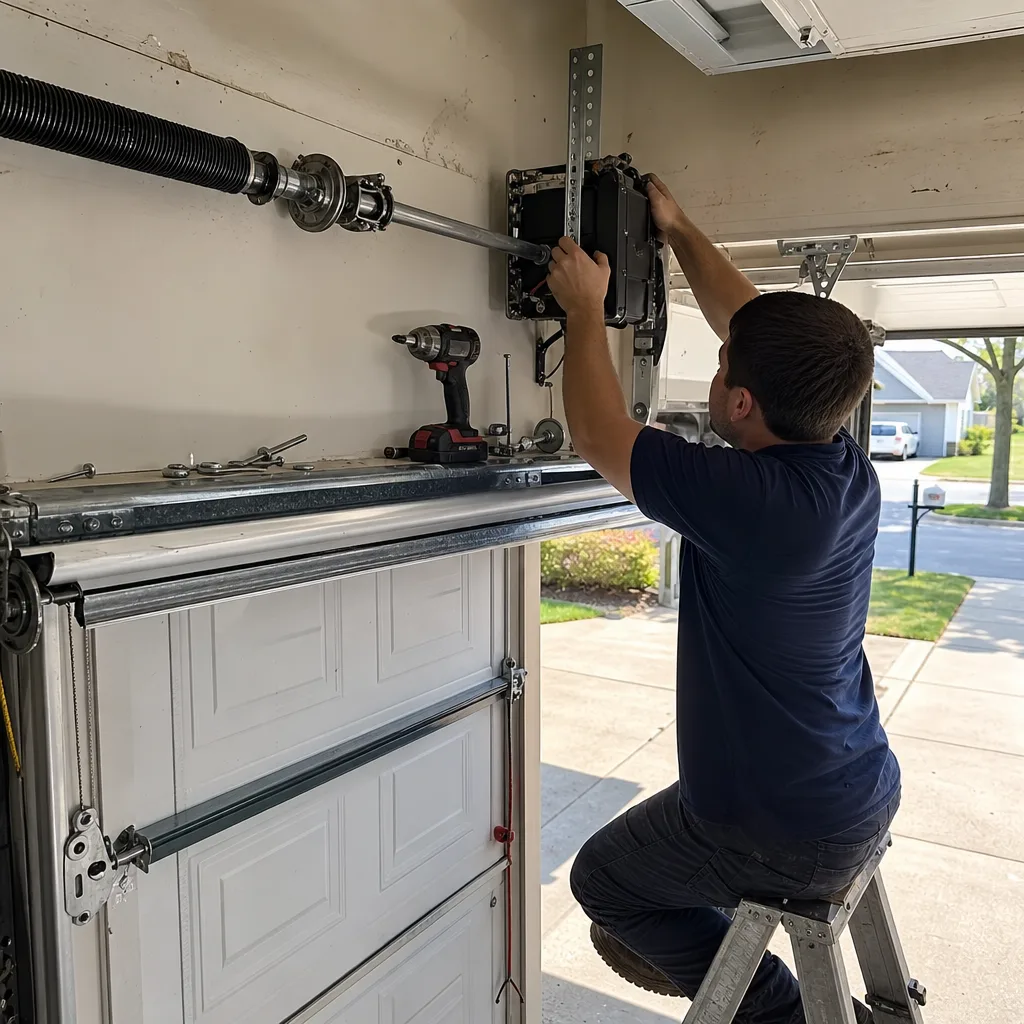
Last updated November 22, 2026
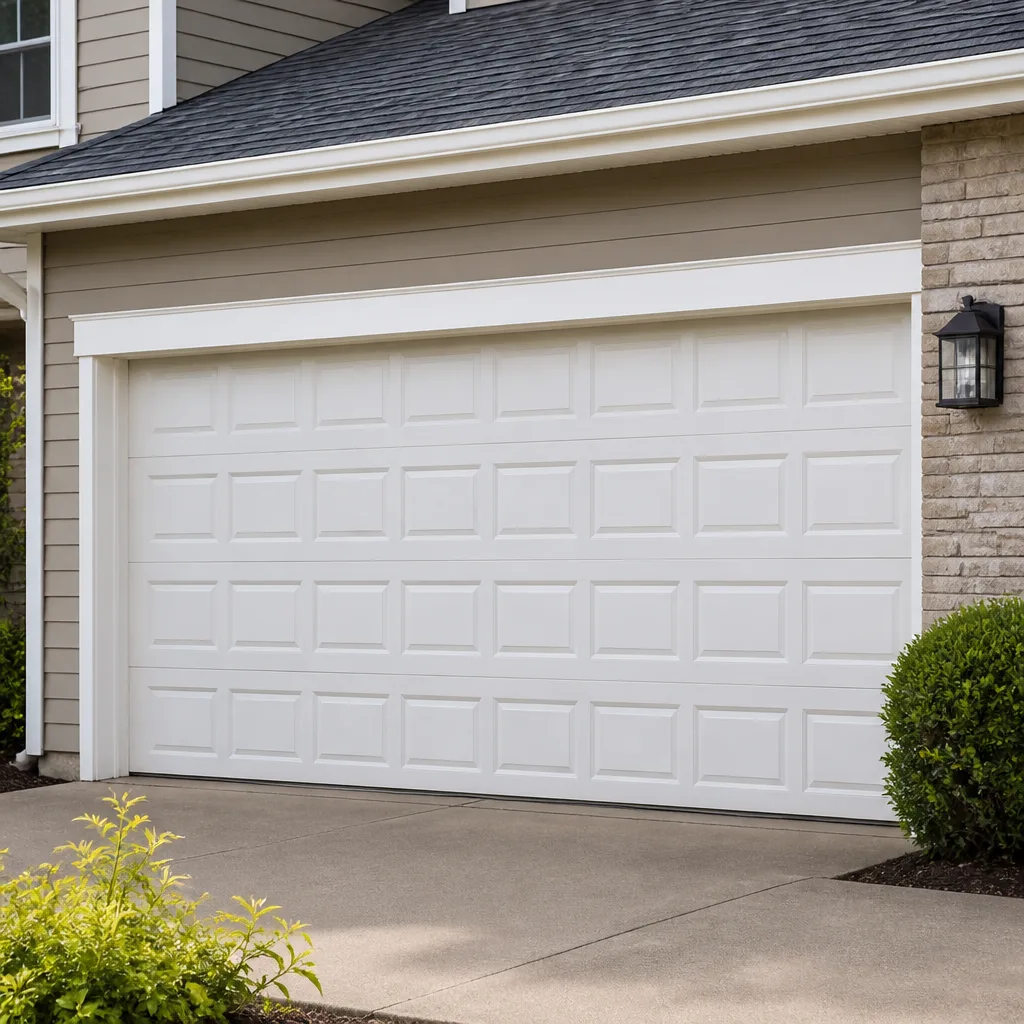 Raised-panel steel
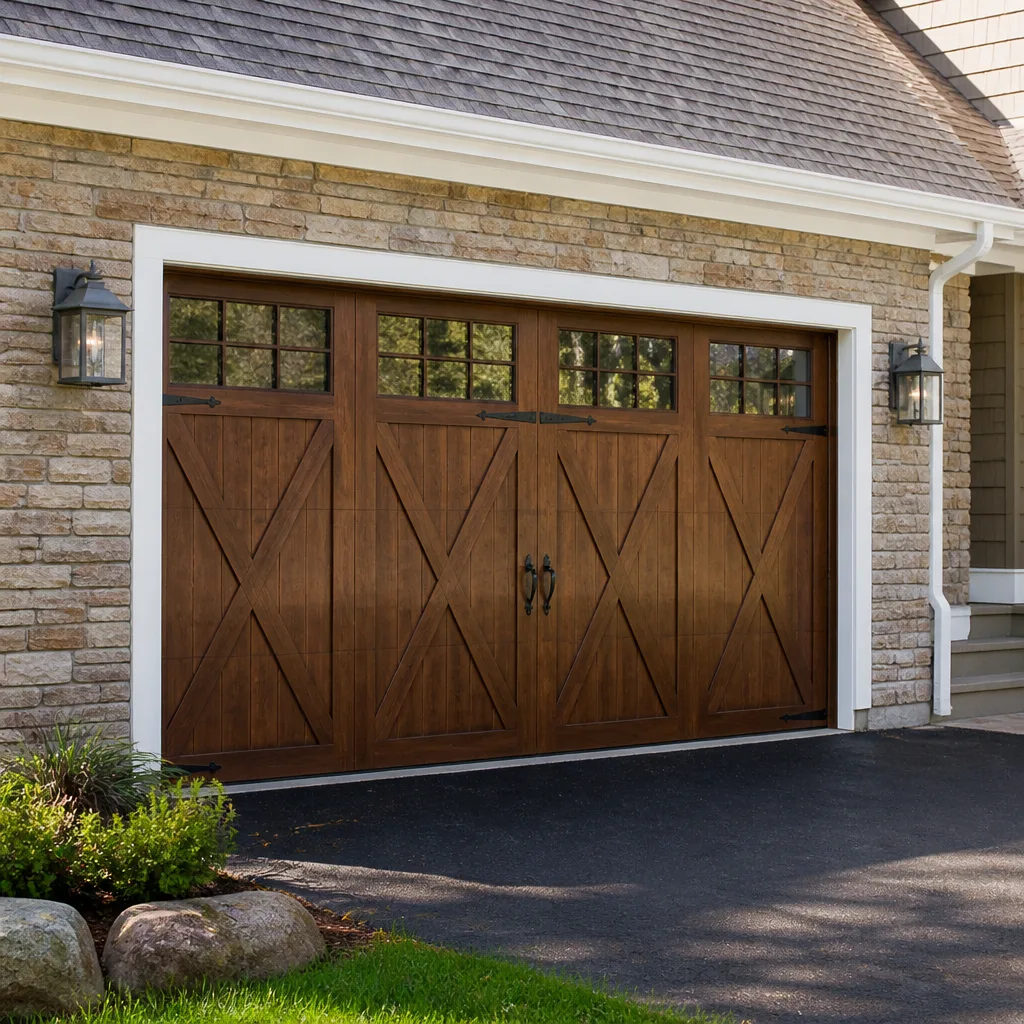 Carriage house
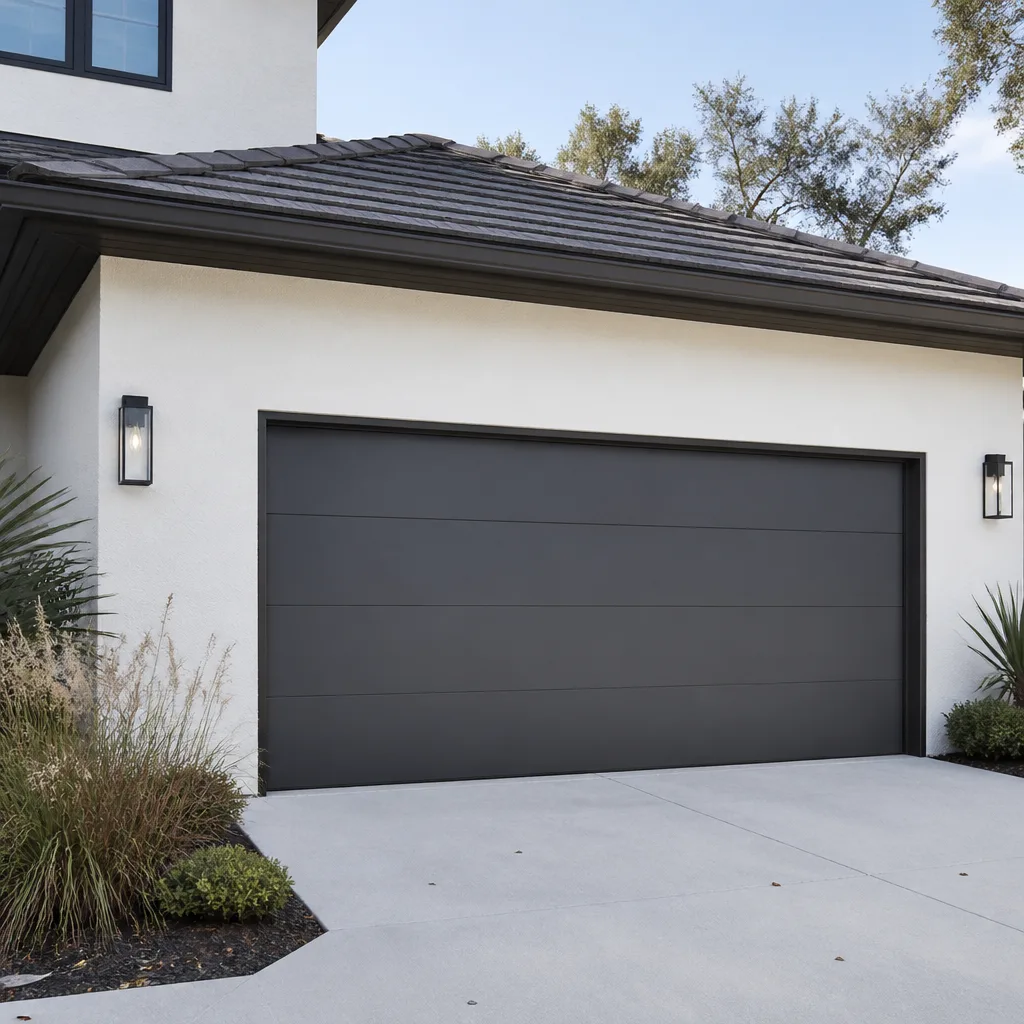 Modern flush
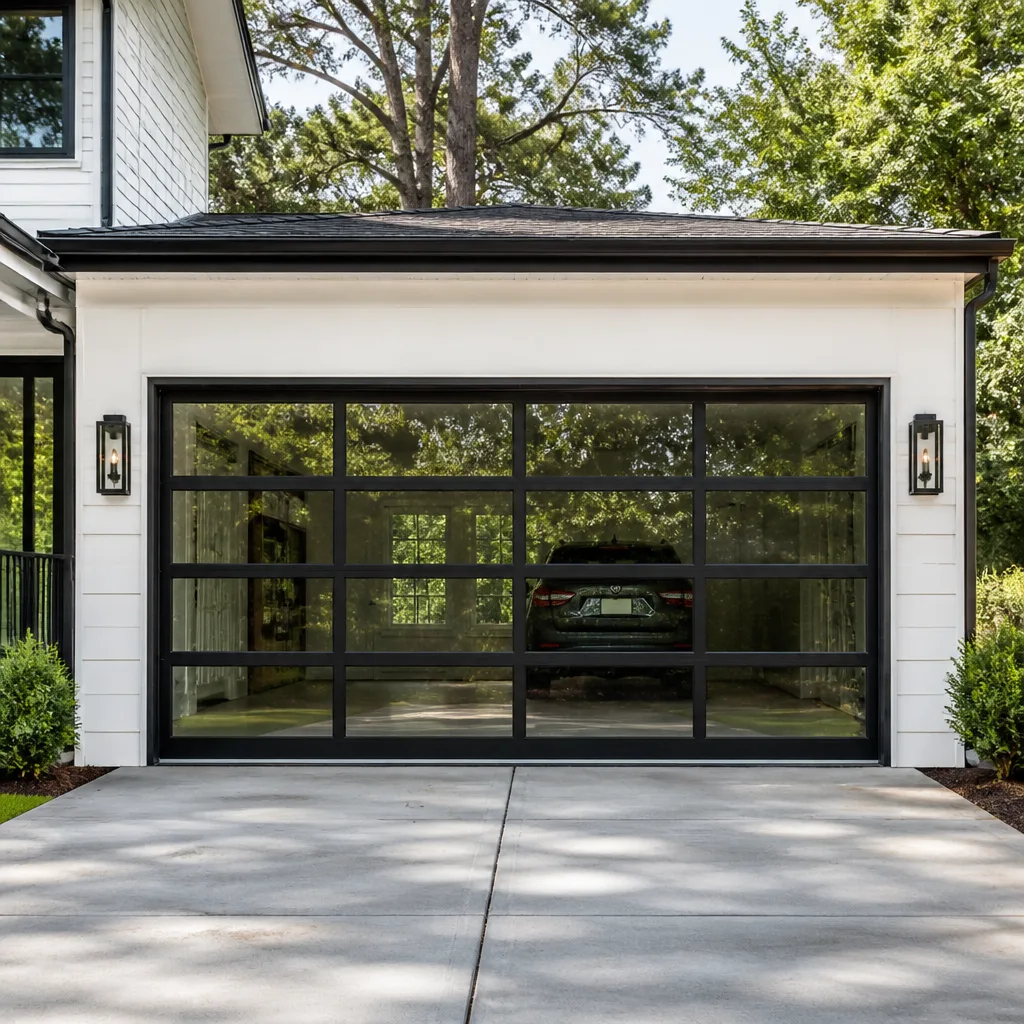 Full-view glass
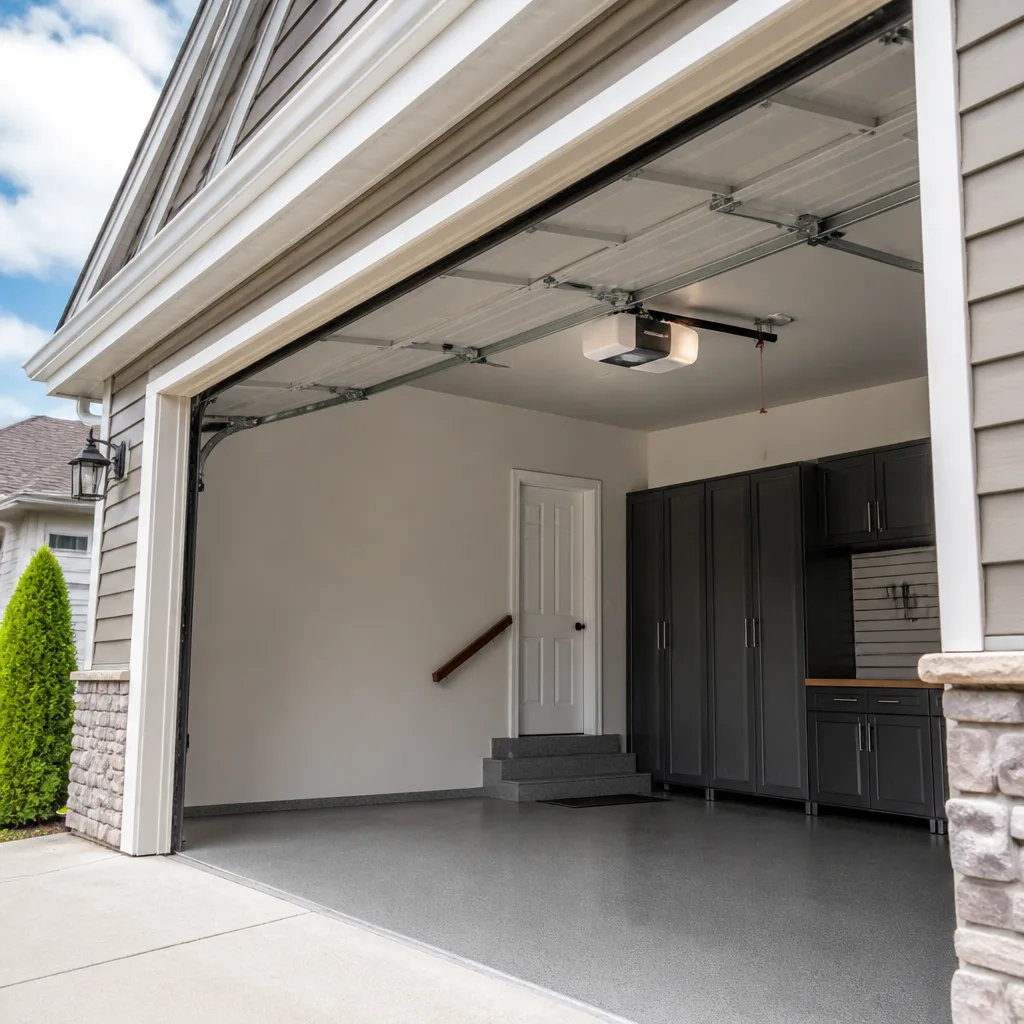 LiftMaster openers
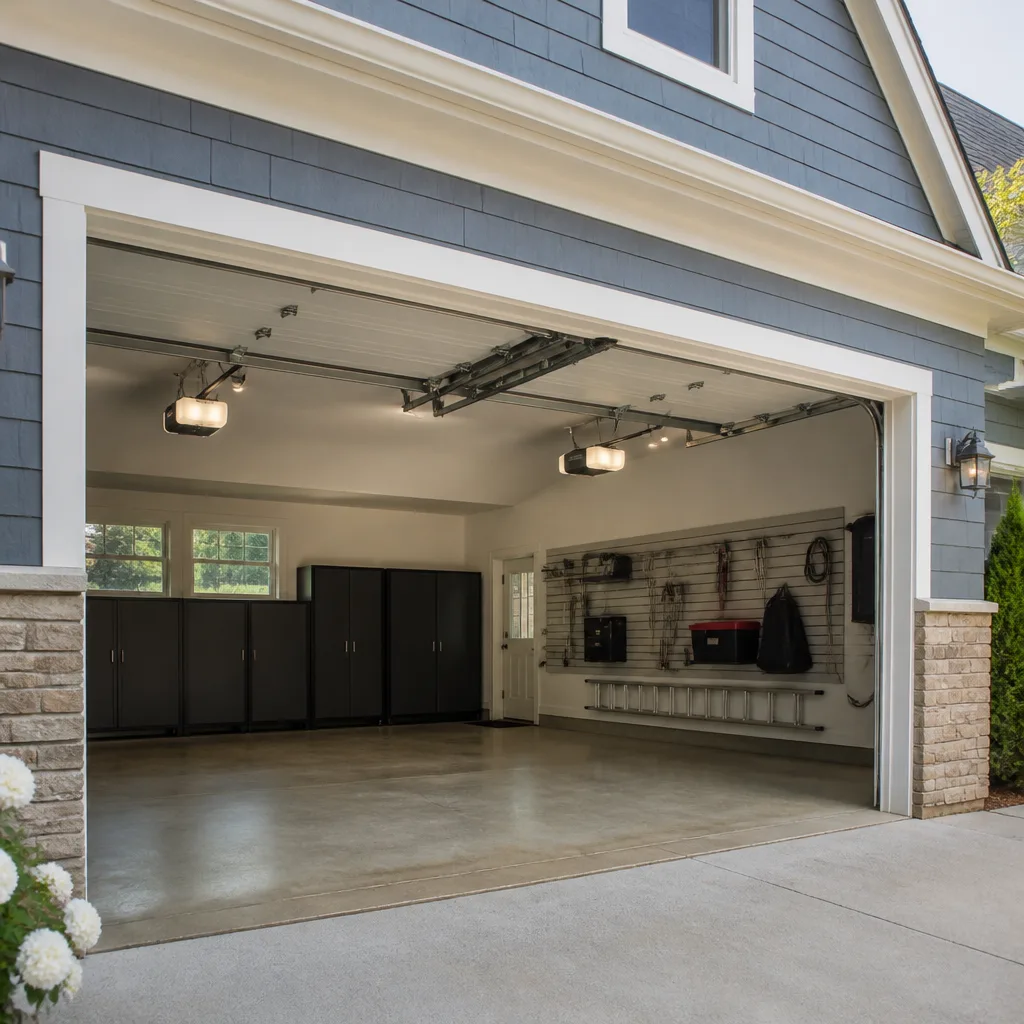 Chamberlain openers
Full 25-point door and opener safety check with every visit - springs, cables, rollers, tracks, and your LiftMaster or Chamberlain opener included
You get a price before we start. It does not change when the pro arrives.
Get your free estimateGarage Door Warning Signs: A Plainfield Homeowner’s Reference Guide
A garage door doesn’t snap, fail, or drop without warning. It telegraphs the problem for weeks beforehand, in grinding sounds and jerky travel and small timing changes that most homeowners write off as the door just being old. That’s the misunderstanding this guide exists to fix. A door that’s getting louder or slower isn’t aging gracefully. It’s telling you which part is about to fail. We work on garage doors every day in Plainfield, and the failures we see up close almost always had a warning attached. Below you’ll learn to read the sounds, the movement, and the timing patterns so you can catch a failing spring or a dying opener before it leaves your car trapped. Written from Plainfield, for Plainfield homes.
Quick Answer
The five warning signs that matter most are grinding or popping sounds from the torsion bar, a door that travels unevenly or reverses before it closes, a door that opens noticeably slower than it used to, frayed or kinked cables, and rust streaks or gaps in the spring coils. Any one of these is a reason to stop cycling the door and have it looked at, because springs and cables are under extreme tension and a failure there is genuinely dangerous.
Styles & brands we work with
- Raised-panel steel
- Carriage house
- Modern flush
- Full-view glass
- LiftMaster openers
- Chamberlain openers
Table of Contents
- The Sound Diagnostic Index
- Movement Warning Signs and What They Mean
- Timing Signals: When Slower Means Failing
- Visual Warnings Most Homeowners Walk Past
- The 60-Second Lift Test
- Seasonal Patterns in Plainfield Garages
The Sound Diagnostic Index
Noise is the earliest and cheapest signal you get, and it’s also the one homeowners lump together as “the door sounds bad.” That’s too vague to act on. Each sound comes from a different component, and reading it correctly tells you whether you’re looking at a lubrication problem or a safety hazard. Here’s how we sort them in our experience.
- Grinding: Usually metal-on-metal at the torsion bar, the rollers, or the opener’s rail. Often it’s dry bearings or a roller that’s seized and dragging instead of rolling. Grinding that gets louder as the door rises points to the spring and bearing plate end.
- Popping: A sharp pop is commonly a spring under load, either a coil that’s cracked or a torsion bar that’s shifted. Popping from a torsion assembly is a stop-and-look signal. A spring can snap and release stored energy violently, which is why we treat this one as an immediate safety concern.
- Squealing: The high-pitched kind usually traces to rollers or the opener’s gear and bearing assembly. If the squeal follows the door’s movement, it’s mechanical; if it happens before the door barely moves, look at the opener motor.
- Rattling: Loose hinges, loose track brackets, or a bottom bracket that’s working itself free. Rattling is rarely urgent, but it does tell you fasteners are loosening under vibration, and that does get worse over time.
The pattern that matters most: does the sound happen during travel or before it? Noise from inside the opener housing is a motor-and-gear story. Noise from the tracks, springs, or panel joints is a door story. That single distinction tells a technician where to start, and you can make it yourself with one ear.
Movement Warning Signs and What They Mean
Watch the door from the side, at about the height of the top panel, as it moves through a full cycle. This tells you more than any other single check. If the door wavers where it should be steady, the cause is almost always mechanical balance, not the opener.
- Uneven descent or a crooked door: The door closes low on one side first. Typically this is a cable that’s slipped the drum, a stretched spring forcing one side harder than the other, or a bent track. A door that comes down crooked is at risk of jamming or coming off the track, so stop using it.
- Jerky or stuttering travel: The door moves in little lurches rather than a smooth glide. This is often a worn roller, a dry hinge, or a track that’s out of alignment. It can also indicate an opener straining because the door is out of balance and the motor is doing work the springs should be doing.
- Reversal before closing: The door starts down, then reverses on its own. Modern openers have safety sensors for this, and a reversal means either a sensor is blocked or misaligned, or the opener’s travel limits need adjusting. A door that reverses randomly is a safety-system problem you don’t want to leave in place, especially with children or pets in a Plainfield household.
- Bouncing at the floor: The door hits the ground and bounces back up rather than resting flush. That’s a limit-setting issue, and it can mean the door isn’t actually sealing, which over an Indiana winter costs you heat and lets cold air and pests in.
Anything that means “the door is moving wrong” is worth having checked. An out-of-balance door puts stress on the opener, and openers don’t fail for no reason. They fail because a door is fighting them. If you want that balance problem sorted properly, the right service is garage door repair, not a bigger motor.
Timing Signals: When Slower Means Failing
A door that takes longer to open isn’t slowing with age. It’s slowing for a reason, and the reason tends to be one of three things: the springs have lost lift, the opener is weakening, or the door is binding. This is the signal people rationalize the longest, and it’s often the one that would have saved them a broken-spring call if they’d paid attention.
Think about how the door used to move. If it used to rise briskly and now there’s a hesitation at the start, or a pause near the top, that pause is the system redistributing load. Springs are what carry your door’s weight. When a spring starts to weaken, the opener has to work harder, so the whole cycle feels sluggish. That sluggishness is the spring asking for help.
- Slower on the way up, normal on the way down: Points to the spring or balance side. Lift is where the springs do most of their work.
- Slower both directions: More likely the opener motor or its drive assembly is tiring, or the door is binding in the track.
- A sudden pause mid-travel, then recovery: Read this as a bind point. Something in the track or a roller is catching, and the opener is overriding it.
- A door that runs longer than it used to before it reverses or stops: Travel limits have drifted. Left alone, the door will eventually misinterpret its own travel path.
Timing is also the cheapest early-warning system you own. You don’t need any tools to notice the door isn’t moving the way it did six months ago. Speaking of which, the most dangerous component in the system deserves special attention: if your spring repair question is on your mind, our garage door spring repair page covers springs in depth.
Visual Warnings Most Homeowners Walk Past
A good flashlight and two minutes is enough to catch the visual warning signs. Spring and cable failures happen because the wear was visible and nobody looked. Here are the ones we spot when the door is up and the panels are visible.
- Cable fraying patterns: Run your eye down the cables that run alongside the door at each side. What you don’t want to see is a cable that’s splayed, kinked, or has broken strands poking out like a wire brush. Fraying near the drum end is the most common place. A frayed cable is a serious safety problem, so don’t keep opening the door on one.
- Rust location on springs: A little surface discoloration is normal. What’s worth noting is rust in one specific spot on a torsion spring, or a gap and shift in the coil where a spring has cracked. A spring that’s broken may sit visibly out of line, and that one you should never try to move yourself.
- Roller wear tracks on the panels: Look where the rollers meet the hinges. If you see an obvious groove or a polished stripe where a worn roller has been sliding instead of spinning, that roller is done. Worn rollers are the most common cause of jerky travel, and they’re simple to replace.
- Track alignment: Stand at the edge of the door and look down the track run. Both tracks should look like clean parallel lines. If a track has a kink or bows inward at one spot, the door will bind there, and it will bind worse as the weather changes.
- Panel damage: A dent on a Clopay or Amarr panel that’s deep enough to deform the section can throw off the door’s weight balance. Cosmetic dents are only a warning sign if the panel no longer runs true.
One caution that matters more than any other in this section: torsion springs and cables are under high tension, and you can be seriously injured trying to adjust or remove them yourself. Look, listen, and note the sign. Leave the repair to someone trained for it.
The 60-Second Lift Test
This is the single test that gives you the most diagnostic information in the least time, and it’s a balance test rather than a repair exercise. It tells you whether your springs are carrying the door’s weight or whether your opener is picking up the slack.
- Close the door and disconnect the opener. Pull the manual release cord, usually hanging from the rail, to release the carriage. Now the door is in your hands and the opener is completely out of the picture.
- Lift the door to about waist height by its bottom edge. Use one hand, and be ready to stop at any moment.
- Let go gently and watch. A properly balanced door should stay roughly put, maybe drifting slowly. The three results to know:
- It stays in place, or drifts only a few inches: springs and balance are healthy.
- It sinks back to the floor on its own: the springs are weak or broken and the opener has been doing the heavy lifting. That’s a spring issue.
- It rises on its own or flies up: the springs are over-tensioned. Don’t use the door until it’s checked.
- Reconnect the opener carefully. Only push the release carriage back into engagement when the door is in a safe position. If the door flies up or won’t stay put, leave it disconnected and call for service.
If the door sinks or rises on its own, stop there. Those results are your answer, and the door should stay out of service until a technician reassesses the spring tension. This test is the reason we tell Plainfield homeowners to learn it. It catches a balance problem that the door’s drive system is otherwise quietly masking.
Seasonal Patterns in Plainfield Garages
Garage doors live in a tough environment here. Plainfield summers run humid, and Indiana winters swing from mild and wet to deep cold and back. That swing does measurable things to a garage door over a year, and the signs follow a pattern.
In summer, humidity works on wood-look and steel sections and on the hinges. It swells and shrinks materials, which loosens fasteners and can make an older track assembly squeal. The most common summer sign is a door that hangs up or binds partway through travel, often on the hottest days. Warmth also expands the metal in a torsion assembly, so a door that hangs up in July may run fine again in October. That doesn’t mean it’s fixed.
In winter, cold makes springs less forgiving and cables stiffer. The most common cold-weather warning is a door that opens terribly slow in the first few cycles, or a spring that pops on the coldest morning of the year. A spring that’s been losing tension all autumn tends to be the one that goes. That’s why the timing signals in this guide matter so much in Plainfield. If your door’s timing changes noticeably as the season turns, treat that as a signal, not a mood.
Whatever the season, a Plainfield door that’s been reacting to weather all year is a door worth having checked. The right opener is a small part of the picture; the door’s balance is the main event, and that’s what our team at Plainfield Garage Door Repair Experts specializes in.
How the Five Failure Types Show Up First
Every warning sign in this guide maps back to one of five failure types, and each type shows its first sign in a different way. Knowing the pairings lets you guess, roughly, what a technician is going to find before you call. This is the mental model we use when we walk up to a door.
- A failing torsion spring: First sign is usually a sound, then a balance change. Popping or twanging from the bar, or a door that suddenly feels heavy when lifted by hand. Rust spots on the coil and a visible gap are the late-stage confirmation.
- A weakening opener: First sign is timing. The door hesitates at the start of travel or stalls in the middle, and the opener’s motor runs longer than it used to. On a belt-drive opener from LiftMaster, Chamberlain, or Genie, an early symptom can be a motor that sounds strained on the first quarter of the open cycle.
- Cable wear: First sign is visual. Frayed strands, a slack cable on one side, or a door that sits crooked without any obvious cause. If the cable is on its way out, that’s a red flag: stop cycling the door.
- Track and roller problems: First sign is movement and sound together. Jerky travel plus rattling plus a visible kink or groove at the roller. Rollers are the wear part, and a set of them being worn is about the most common thing we see on a door that just needs tune-up attention.
- Safety sensor and travel-limit faults: First sign is behavior. The door reverses before closing, refuses to close at all, or bounces off the floor. These aren’t dangerous in the way springs are, but they’re a security gap, and a door that won’t close at night leaves your house and your tools exposed.
We work on the systems we find already installed, whether that’s a Clopay, Amarr, Wayne Dalton, or Craftsman setup, and each one has its own tuning quirks. Diagnosing the right failure the first time is the whole point of specializing in one trade rather than spreading attention across several.
What a Warning Sign Costs to Ignore
Every warning sign has two costs: what the fix costs now, and what it costs if you wait until the door fails. This is a rough comparison, and the final price is always on a written estimate.
- Roller replacement: A straightforward fix, often well under a spring job. Ignore worn rollers and the door binds, which strains the opener and can damage a track.
- Track adjustment: A minor correction. Ignore it and the door can come off the track, which turns a correction into a repair with panel and hardware implications.
- Opener repair: Usually a gear, a drive assembly, or a logic board. Leave a straining opener in service and it can fail completely, taking the door down with it when it’s in an open or closed position you don’t want.
- Spring replacement: The most consequential fix in the list. A spring that’s caught early on a service call is one job. A spring that breaks at the wrong moment is an emergency, and it’s handled by technicians with the right tools and training.
- Service and safety check: The cheapest line item on the whole page. A balance test and a visual walk-around catch most of what fails later. Where a dealer’s check is the service, that check is worth the call, because the point of this entire guide is to catch failure before it becomes an emergency.
None of these figures are a promise until a technician has seen your door and written out an estimate. But comparing them tells you why the small fixes matter: every failure on this list starts small.
Same-Day Help When the Door Fails Anyway
Even with careful attention, a door will sometimes fail without much notice. When that happens, the response is not a routine appointment. A door that’s stuck open leaves your home open. A door that’s stuck closed can trap a car and cut off access. We treat a non-operational door as a safety and security call, and same-day service is available so a failed door doesn’t sit there for days.
- If the door is down, stays down, and won’t budge:
- If a spring has visibly broken and a piece is hanging out of line:
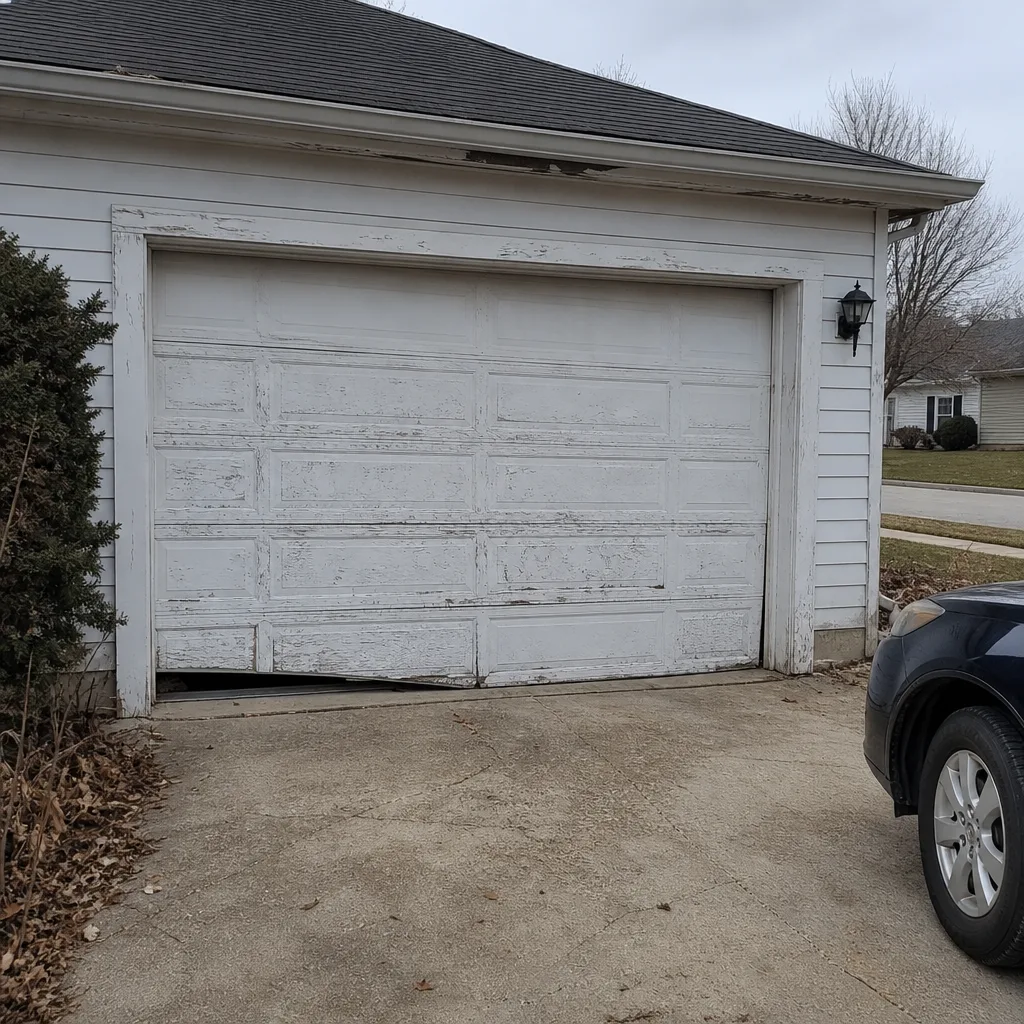
- If the door is off its track and hanging crookedly:
- If the opener is running but the door doesn’t move at all:
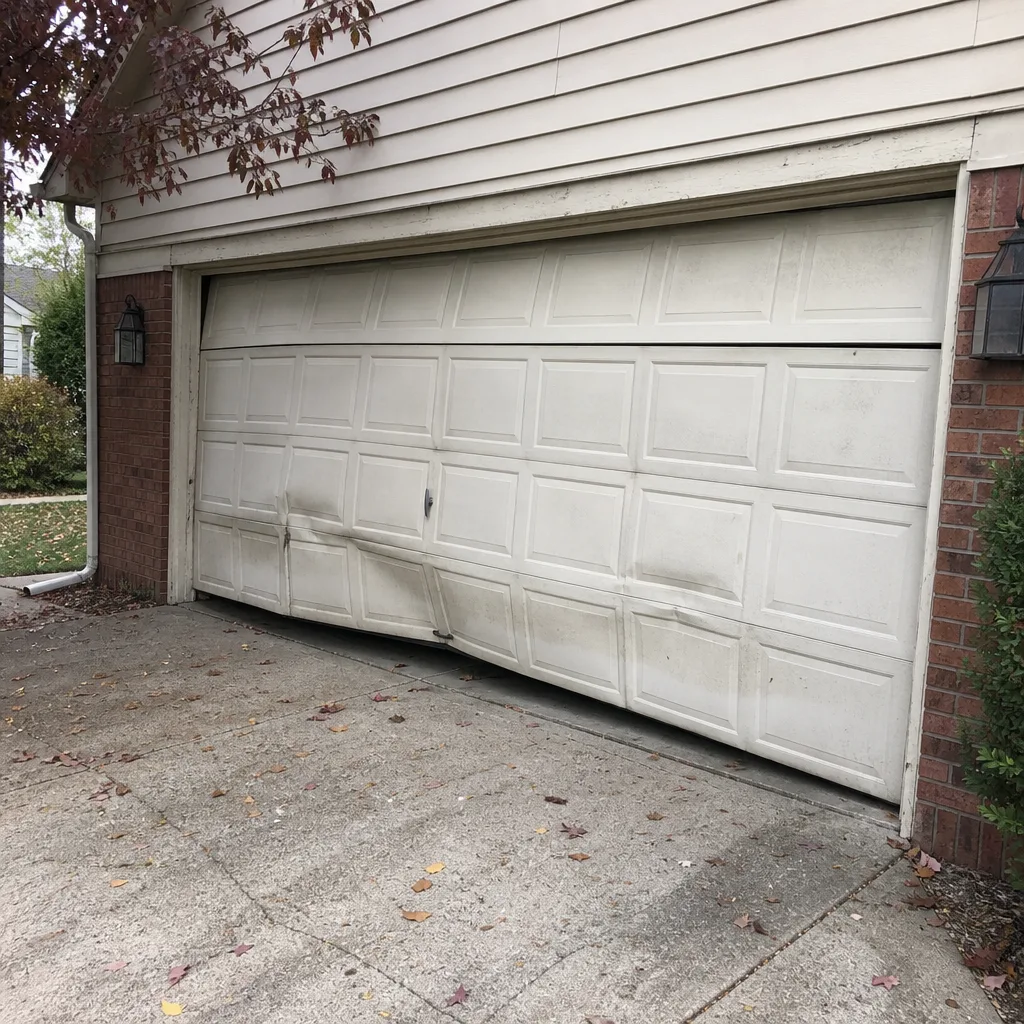
- If a door was forced or hit and the panels are deformed:
For all of these, stop operating the door. If you’re on the phone with us for an opener problem, note the make if you can, because knowing whether it’s a LiftMaster or a Genie saves diagnosis time. But most of all, call before trying to force anything. Springs under tension and a door off its track are the two situations where a homeowner’s well-intentioned shove can make things worse. Emergency availability is a real part of what Plainfield Garage Door Repair Experts offers, and we’d rather take a phone call than have you improvise.
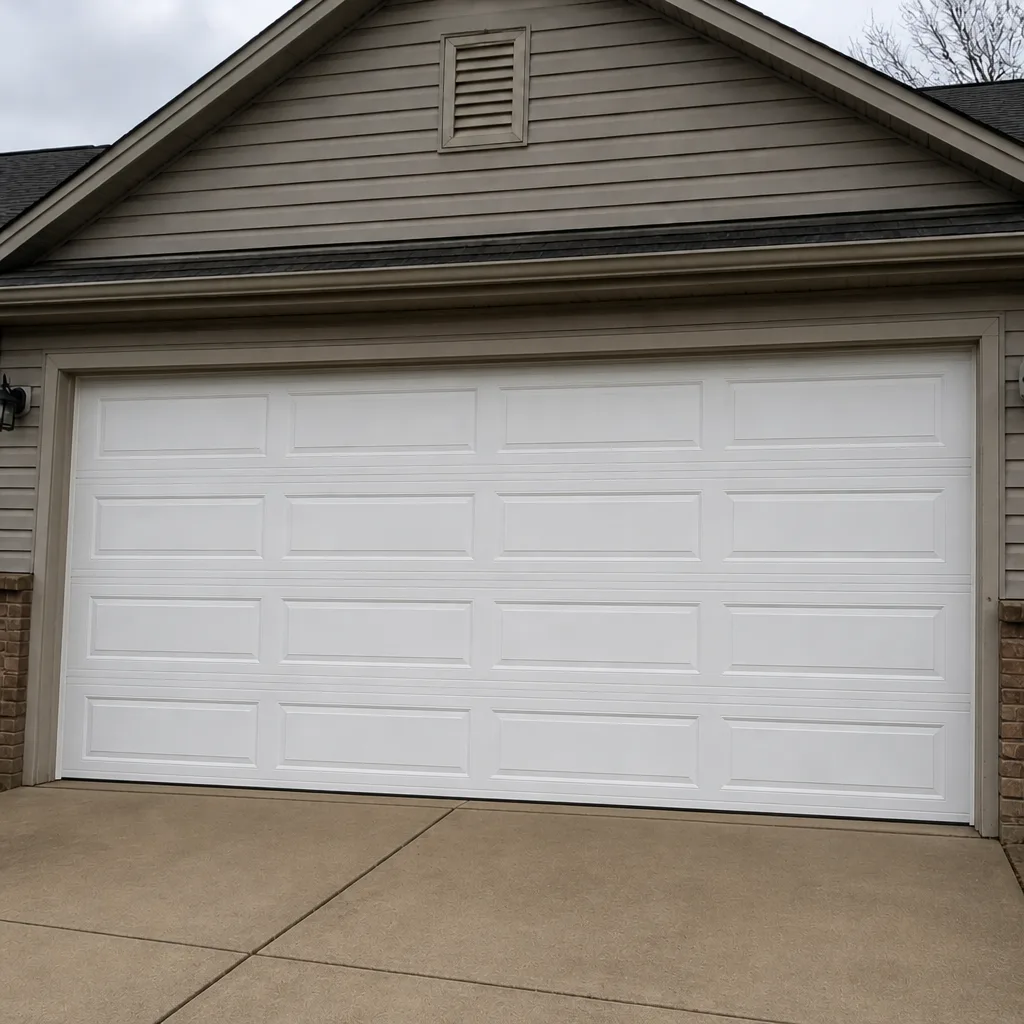
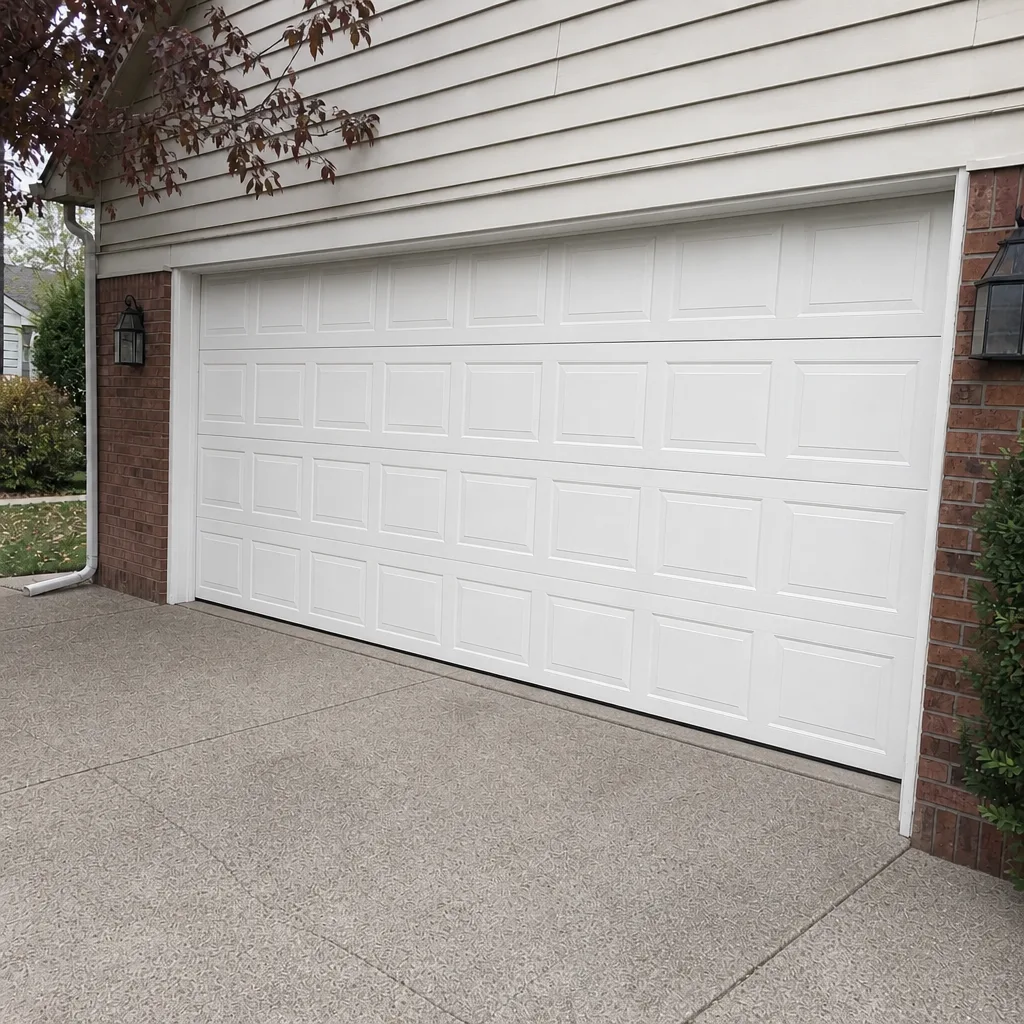
See the difference
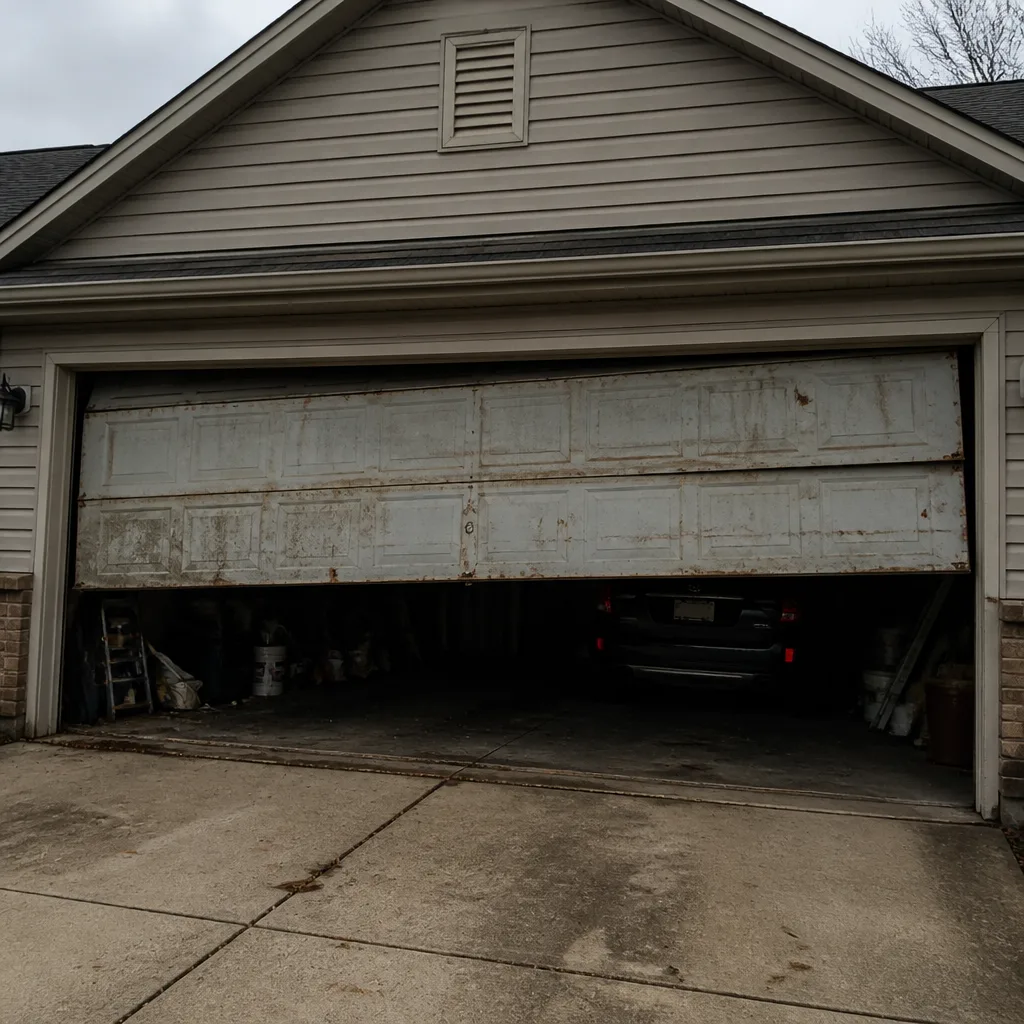 Before
 After
 Before
 After
 Before
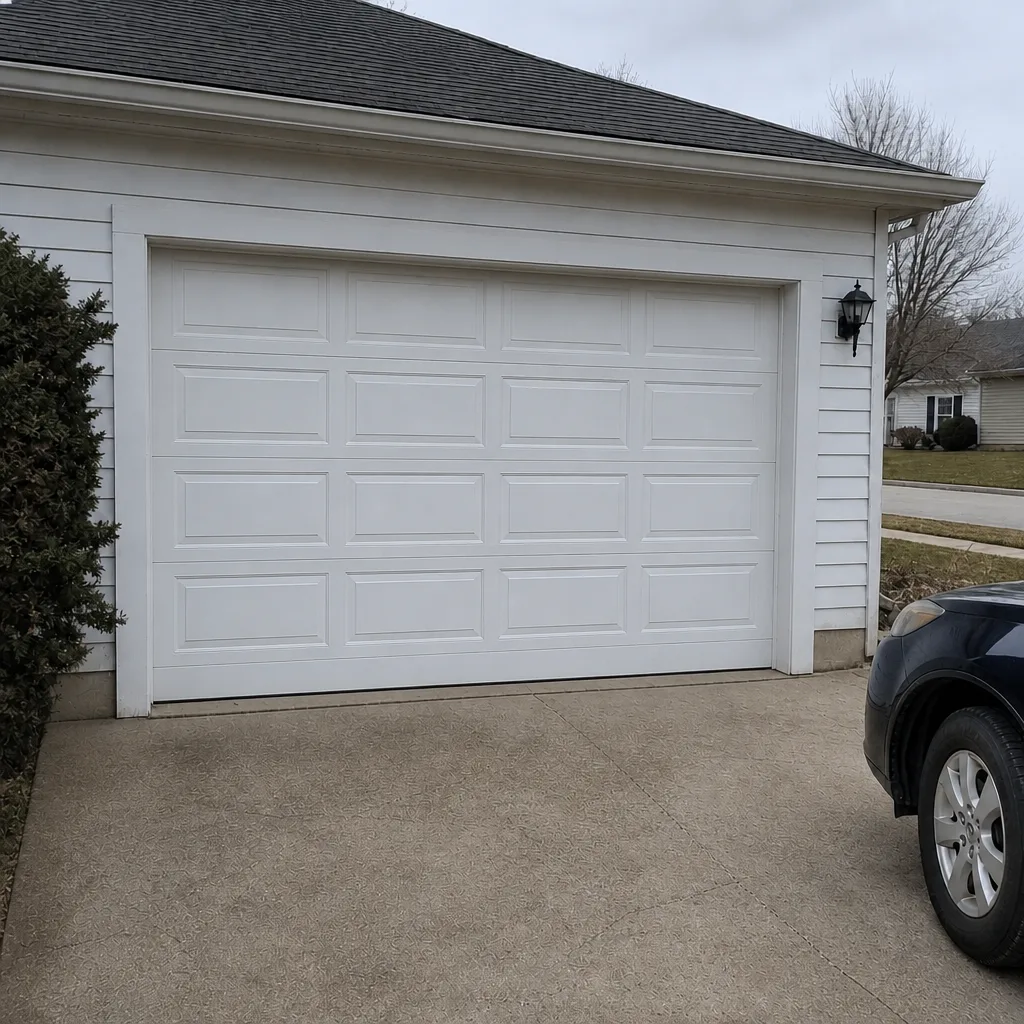 After
Common Mistakes to Avoid
- Assuming a slow door is just old. It’s usually a balance or spring problem the opener has been masking. A slower door is a signal. Ignoring it for months usually turns a straightforward fix into a bigger job.
- Turning up the opener’s force dial. When a door binds, some owners adjust the force setting to push harder. That just makes the opener force a binding door past its resistance, which can damage panels and hardware and hide a serious problem.
- Lubricating the wrong thing, or the wrong way. A little grease on a dry roller or hinge is harmless, but grease on a torsion spring is not helpful, and old hardware is past saving with spray. Ask a technician which parts on your door should be lubricated before you get the can out.
- Trying to adjust the springs yourself. Torsion springs are under extreme tension, and the injury risk is real. Springs are the one part of this system you should always leave to a trained technician with the correct tools. This guidance exists because we’ve seen what goes wrong.
- Waiting out a broken spring because the opener can still lift the door. It can’t reliably, and forcing a door with a broken spring puts all the strain on the opener. That can take a working opener out with it.
- Mistaking a sensor problem for a serious fault. If the door reverses every time, check whether something is in front of the sensors before you assume the worst. A misaligned or dusty sensor can make a perfectly good door act broken.
- Calling a general handyman for a garage door problem. This is equipment with specific failure modes and a real safety component. Plainfield Garage Door Repair Experts does garage doors and only garage doors, which means fewer wrong guesses and faster fixes at the door.
When to Call a Professional
Call a professional when you hear a pop from the torsion system, when the door travels unevenly or won’t stay at mid-height during the lift test, when a cable is frayed or slack, or when the opener strains and the door still moves slowly. Those signs involve springs and cables, and those are not homeowner jobs. Call sooner if a door is stuck open or off its track, because that’s a security situation, not just a mechanical one. If your warning signs are mild, a scheduled check is still smart: it’s easier to catch a spring at the point of slack than to wait for it to break. Plainfield Garage Door Repair Experts offers free estimates in Plainfield, and we answer 24/7. Call (866) 371-6990. Fast dispatch from 7am to 7pm, Sunday through Friday.
Frequently Asked Questions
The first sign is usually a popping or twanging sound near the torsion bar, followed by the door feeling heavier when lifted by hand. A door that suddenly won’t stay at mid-height is a strong spring indicator. Don’t try to adjust the spring yourself. Call us for a free estimate.
Not always, but a few are. A broken spring, a frayed cable, or a door off its track is an emergency because the failure is active and dangerous. A slow opener or a squeaky roller can usually wait for a scheduled appointment. If you’re not sure which one you have, call and describe it. We answer 24/7 and can tell you whether it’s urgent.
No, you shouldn’t cycle the door with a broken spring. A door with a broken spring puts the entire lifting load on the opener, and that can take out a motor that was working fine. Leave the door closed and have the spring handled. Our technicians have up to 10 years of experience with springs and use the proper tools.
The lift test tells you: disconnect the opener and lift the door by hand. If it’s hard to lift or won’t stay up, the problem is on the door and spring side. If the door moves easily and stays put, the problem is more likely the opener assembly. Either way, it’s a quick diagnosis for a technician.
The warning signs are the same across brands, but the fixes differ by system. If your opener is a LiftMaster, Chamberlain, Genie, or Craftsman, the repair parts and tuning steps are different for each. We work on those four, plus Clopay, Amarr, Wayne Dalton, and Raynor systems, so the service fits whatever you have installed. Call (866) 371-6990 for an exact quote. Estimates are free.
Leave it disconnected from the opener and don’t force it closed. Call us and describe what you see. We answer 24/7, and a call outside dispatch hours is booked into the next opening, Sunday through Friday, 7am to 7pm. If it’s a sensor issue, the door may be recoverable with a quick realignment; if it’s a cable or track problem, it needs a technician.
The Bottom Line
Your garage door warns you in three languages: sound, movement, and timing. A grind, a crooked descent, and a longer opening cycle are not old age. They’re a spring losing tension, a roller binding, or an opener working beyond what it should. The visual checks and the 60-second lift test give you the rest. In Plainfield, where the seasons swing hard on a door’s hardware, paying attention to these signs is the difference between a scheduled repair and an emergency call. Whether you need a balance check or a full fix, contact the team at Plainfield Garage Door Repair Experts. Call (866) 371-6990 for a free estimate. We answer 24/7. Fast dispatch from 7am to 7pm, Sunday through Friday.
Written by the team at Plainfield Garage Door Repair Experts.