
Last updated November 22, 2026
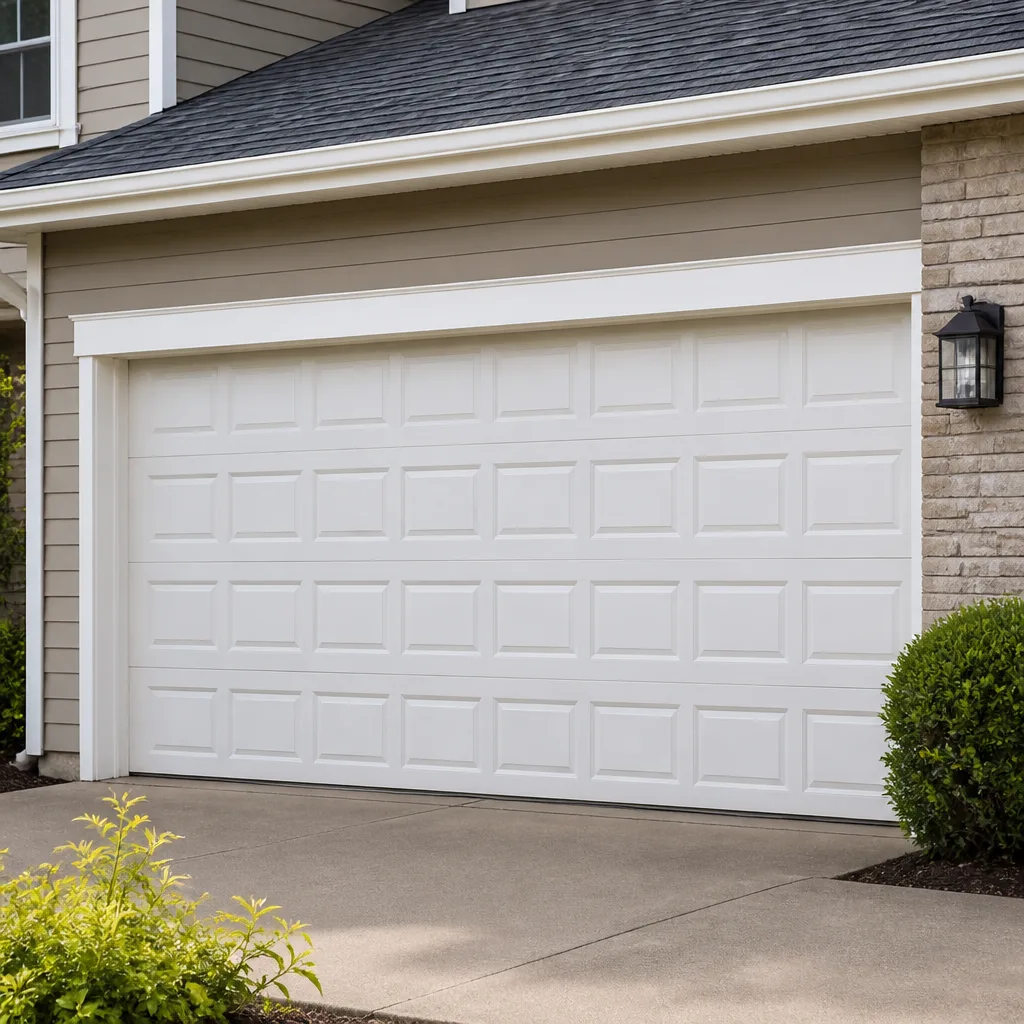 Raised-panel steel
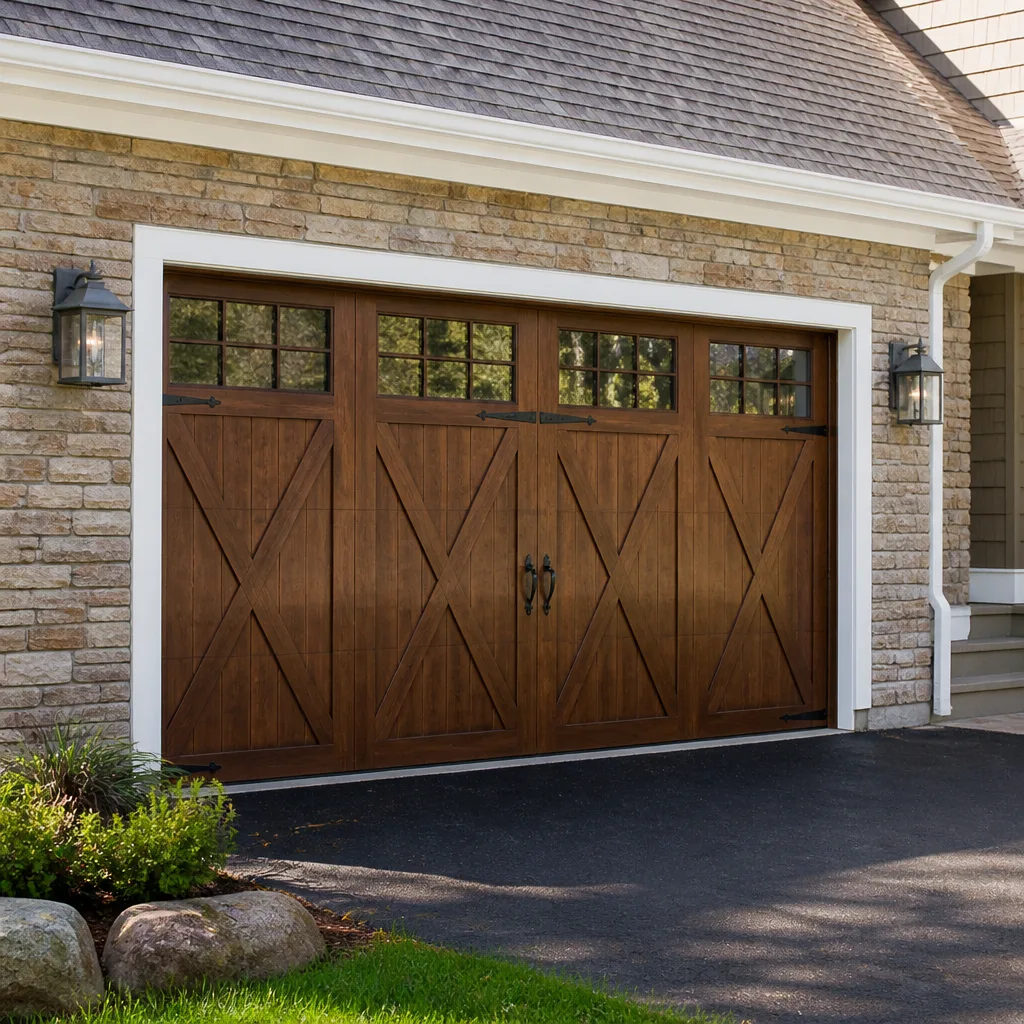 Carriage house
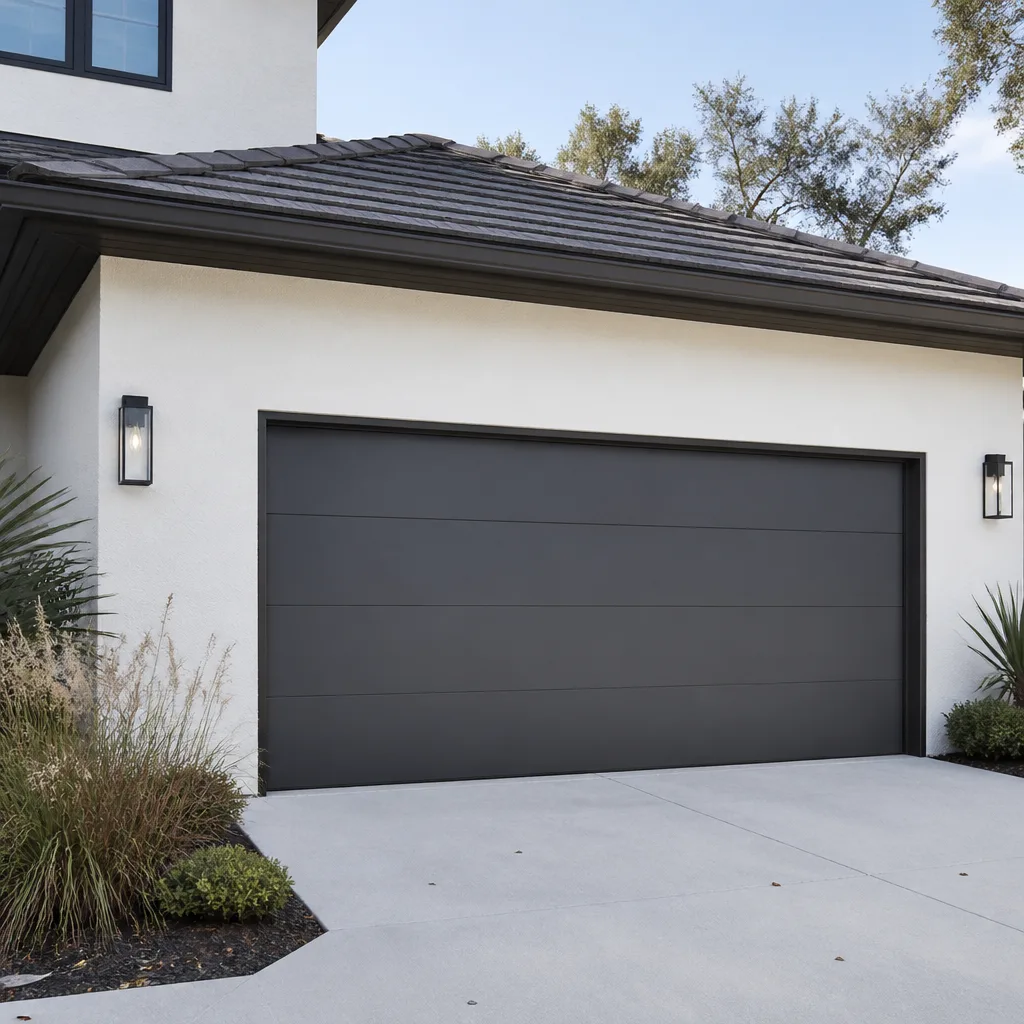 Modern flush
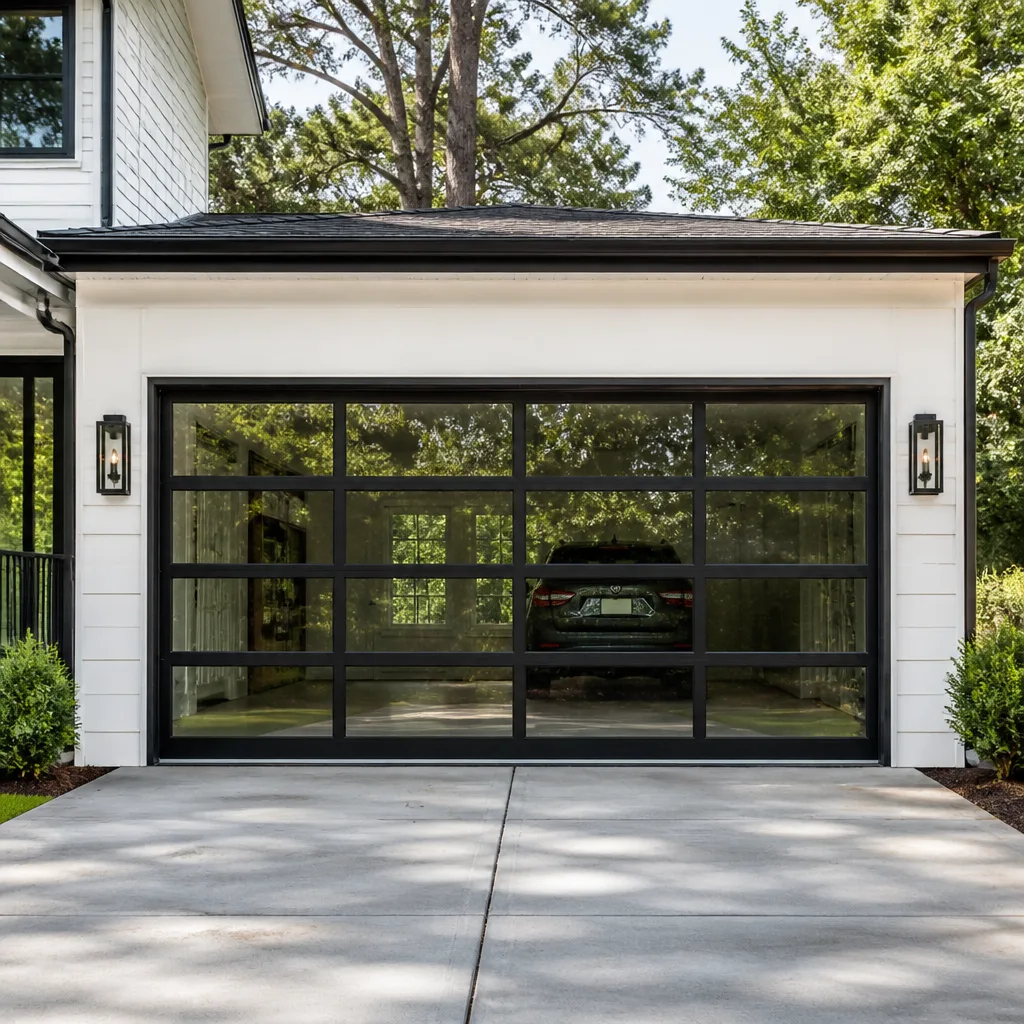 Full-view glass
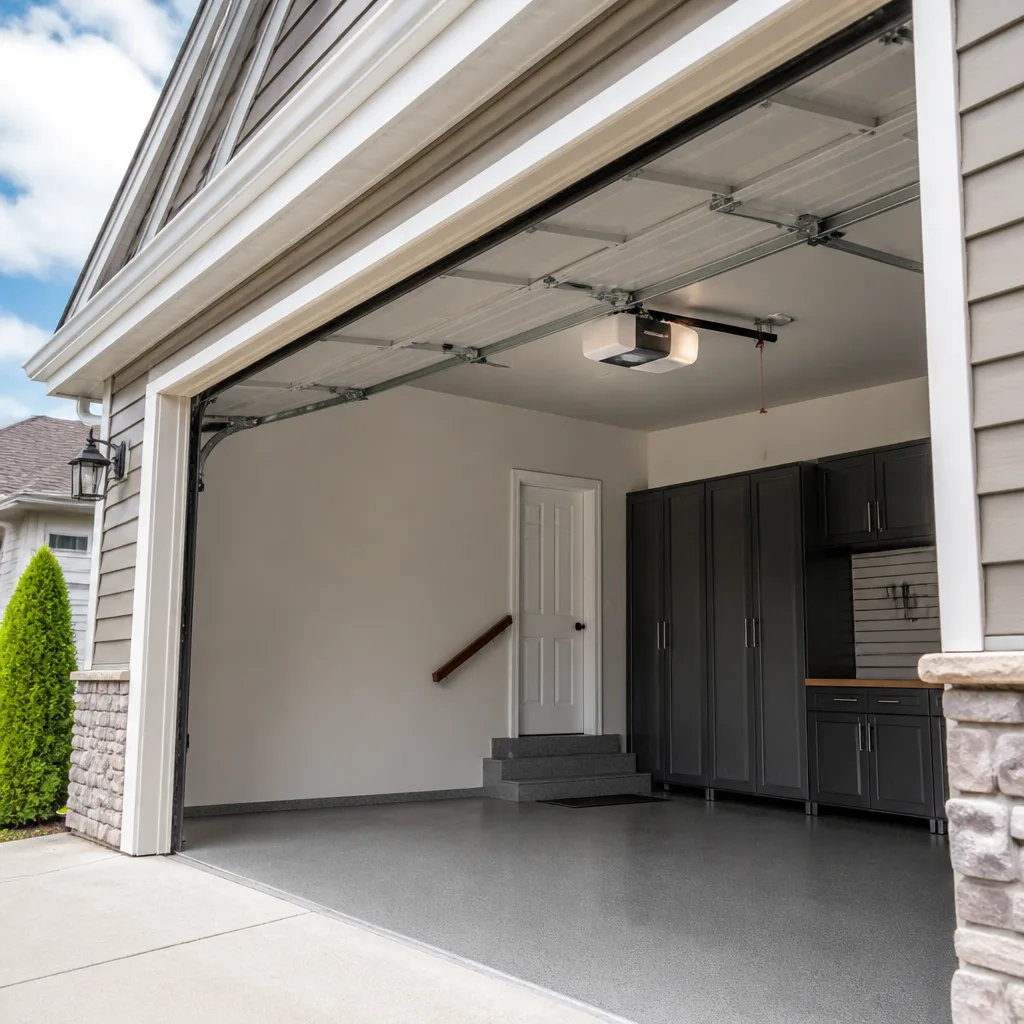 LiftMaster openers
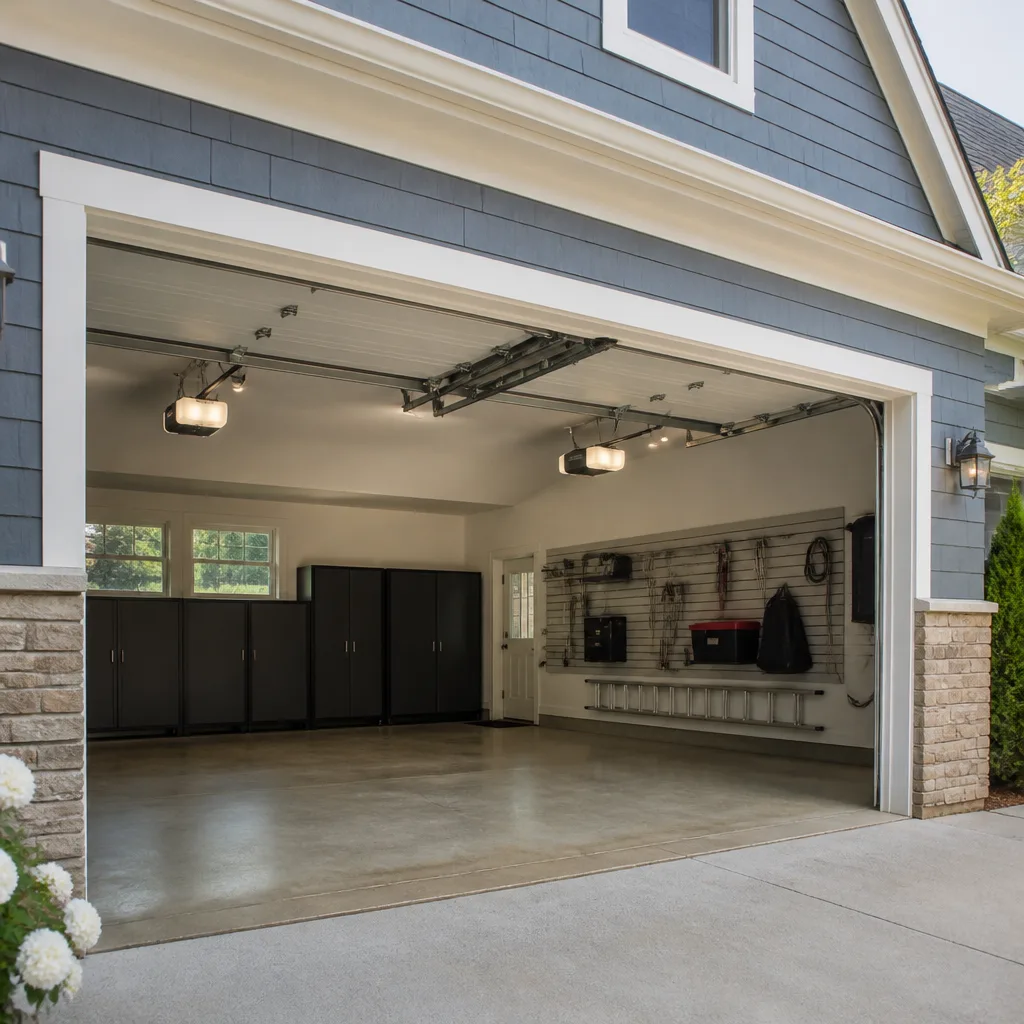 Chamberlain openers
Full 25-point door and opener safety check with every visit - springs, cables, rollers, tracks, and your LiftMaster or Chamberlain opener included
You get a price before we start. It does not change when the pro arrives.
Get your free estimateGarage Door Repair Troubleshooting in Plainfield: Common Problems and How to Fix Them
Here’s the frustrating truth about a garage door that won’t close: seven completely different failures produce that exact symptom. A misaligned sensor, a snapped spring, a bent track, a stripped opener gear, a blocked trolley, a loose cable, or a dead safety reverse mechanism all look identical from your driveway. Treat the wrong one and you’ve wasted an afternoon and possibly made things worse. The good news is that every garage door speaks a specific mechanical language, and once you learn to read the symptoms, you’ll know whether you’re looking at a five-minute adjustment or a call for help. This guide teaches Plainfield homeowners to diagnose like a technician, from the safety of the driveway.
Quick Answer
Most garage door problems trace back to five subsystems: the springs and cables, the tracks and rollers, the opener and drive system, the safety sensors, and the balance of the whole door. Match the symptom to the subsystem and you’ve eliminated most of the guesswork. Anything involving spring tension, cable drums, or the torsion shaft is a stop-and-call situation no matter how handy you are.
Styles & brands we work with
- Raised-panel steel
- Carriage house
- Modern flush
- Full-view glass
- LiftMaster openers
- Chamberlain openers
Table of Contents
- Why Does Your Door Behave Differently in Plainfield’s Changing Weather?
- The Symptom-to-System Diagnostic Matrix
- Why the Photo-Eye Sensor Is the Most Misdiagnosed Part on Your Door
- Spring Failure vs. Cable Failure: Similar Symptoms, Very Different Repairs
- Which Troubleshooting Is Safe for Homeowners and Which Requires a Specialist
- Seasonal Track Alignment and the October-to-January Shift
- Opener Troubleshooting: When the Problem Lives in the Head Unit
- The Balance Test Every Garage Door Owner Should Know
Why Does Your Door Behave Differently in Plainfield’s Changing Weather?
Garage doors are steel, wood, or aluminum assemblies bolted to a building that expands and contracts with the seasons. In Plainfield, that swing is real. Summer humidity swells wood door panels and slightly warps composite materials. Winter cold contracts steel track and stiffens lubricant until rollers that glided in July begin to drag in January. A door that worked flawlessly in October can bind, grind, or hesitate in the first hard freeze, and nothing is actually broken.
This is why the same door can behave differently in spring than it did in fall, and why a diagnostic call in Plainfield often reveals a door that needs lubrication and track adjustment rather than replacement parts. The mechanical components are sound; the fit has shifted. Steel tracks bolted to a wall that has moved a fraction of an inch can pull two rollers out of alignment, and suddenly the door is catching at the halfway point.
What the seasonal shift actually affects
- Track alignment: Temperature-driven movement in the framing pulls the vertical and horizontal tracks slightly out of plane.
- Lubricant viscosity: Cold stiffens grease and makes rollers and hinges drag.
- Wood door panel moisture: Humidity swells wood, changing the panel weight and balance.
- Spring tension: Cold metal is less forgiving, and existing spring wear shows up first in winter.
- Weather seal compression: The bottom seal hardens in cold and can grip the floor, stalling the close cycle.
None of these are failures. They’re adjustments, and they’re the reason a door that worked six months ago suddenly needs attention. Keep this in mind before assuming the worst. If you’d rather have a trained eye look at it, our team at Plainfield Garage Door Repair Experts can tell you in minutes whether you’re looking at an adjustment or a repair.
The Symptom-to-System Diagnostic Matrix
Before you call anyone, watch your door through one full open-close cycle and note exactly what it does. That single observation narrows the fault to a specific subsystem in most cases. Here’s the matrix we use in the field.
What the door does, and what it means
- Door reverses immediately after touching the floor: Safety sensor misalignment or a force-setting problem in the opener.
- Door reverses after touching something in its path: Safety reverse mechanism working correctly, which means an obstruction or a bottom-seal grip issue.
- Door opens a foot then stops: Sensor obstruction, a binding track, or a failing logic board.
- Opener motor runs but door doesn’t move: Broken spring, snapped cable, or a stripped opener drive gear.
- Loud grinding or scraping: Roller wear, dry hinges, or a track out of alignment.
- Door hangs crooked, one side lower: Broken spring on a two-spring system or a stretched cable.
- Door won’t respond to the remote at all: Dead remote battery, opener lock mode engaged, or wall control wiring.
- Door slams down hard: Broken spring or a compromised safety reverse mechanism, and both are urgent.
The key insight: the same visible symptom points at different systems depending on whether the door moves at all, and whether the opener motor runs. That’s the first branch to check. If the motor runs and the door does not, you have a mechanical problem in the door itself. If the motor is silent, you have an electrical or opener problem. This single question cuts the diagnostic time in half, and it’s the same first question a technician asks when you call about garage door repair in Plainfield.
Reading the door through one cycle
- Stand clear of the door and press the wall control.
- Watch the door from bottom to top and note any hesitation, jerk, or angle change.
- Listen for grinding, clicking, or a motor that runs but produces no movement.
- Watch the last six inches of travel, where most safety and balance problems show up.
- Note whether the door returns to a level resting position.
Why the Photo-Eye Sensor Is the Most Misdiagnosed Part on Your Door
The photo-eye sensors mounted six inches off the floor on each side of the door opening cause more unnecessary service calls than any other part. They’re also the easiest thing you can check yourself in about 90 seconds. Two small lenses face each other across the opening, and when the beam between them is broken or the alignment drifts, the opener refuses to close the door. Homeowners see a door that opens fine but won’t close and assume the opener is dying. Often it’s just a sensor pointing slightly off-target, or a spiderweb, leaf, or winter road grit on the lens.
The 90-second alignment test
- Look at both sensors. Each has a small LED indicator. A steady light on both means alignment is good; a flickering or dark light means a problem.
- Wipe both lenses clean with a soft cloth.
- Look for anything between the sensors: a mop handle, a bike, a bag of road salt, a recycling bin.
- If one LED is out, gently adjust that sensor until the light comes on steady. Loosen the wing nut a quarter turn, pivot slightly, retighten.
- Press the wall control. If the door closes smoothly, you’ve found the fault.
If the sensor LED still won’t hold steady after adjustment, the sensor itself, the wiring, or the opener’s logic board is failing. That’s the point where a specialist should look at it, because at that stage you’re no longer adjusting hardware, you’re diagnosing a circuit. Our technicians work on the sensor systems of every major opener brand, including LiftMaster, Chamberlain, and Genie, and know their alignment quirks by model.
One Plainfield-specific note: sensor alignment drifts more in the winter when temperature changes move the mounting brackets, and more in spring when debris blows in. If your door suddenly stops closing after a cold snap or a windy stretch, check the sensors before anything else. Nine times out of ten, that’s the culprit.
Spring Failure vs. Cable Failure: Similar Symptoms, Very Different Repairs
Both a broken spring and a snapped cable can leave your door hanging crooked, stuck open, or refusing to lift. From the driveway they look nearly identical, but they’re completely different repairs with completely different safety profiles. Understanding which you’re looking at tells you what to expect and helps you describe the problem accurately when you call.
How to tell them apart
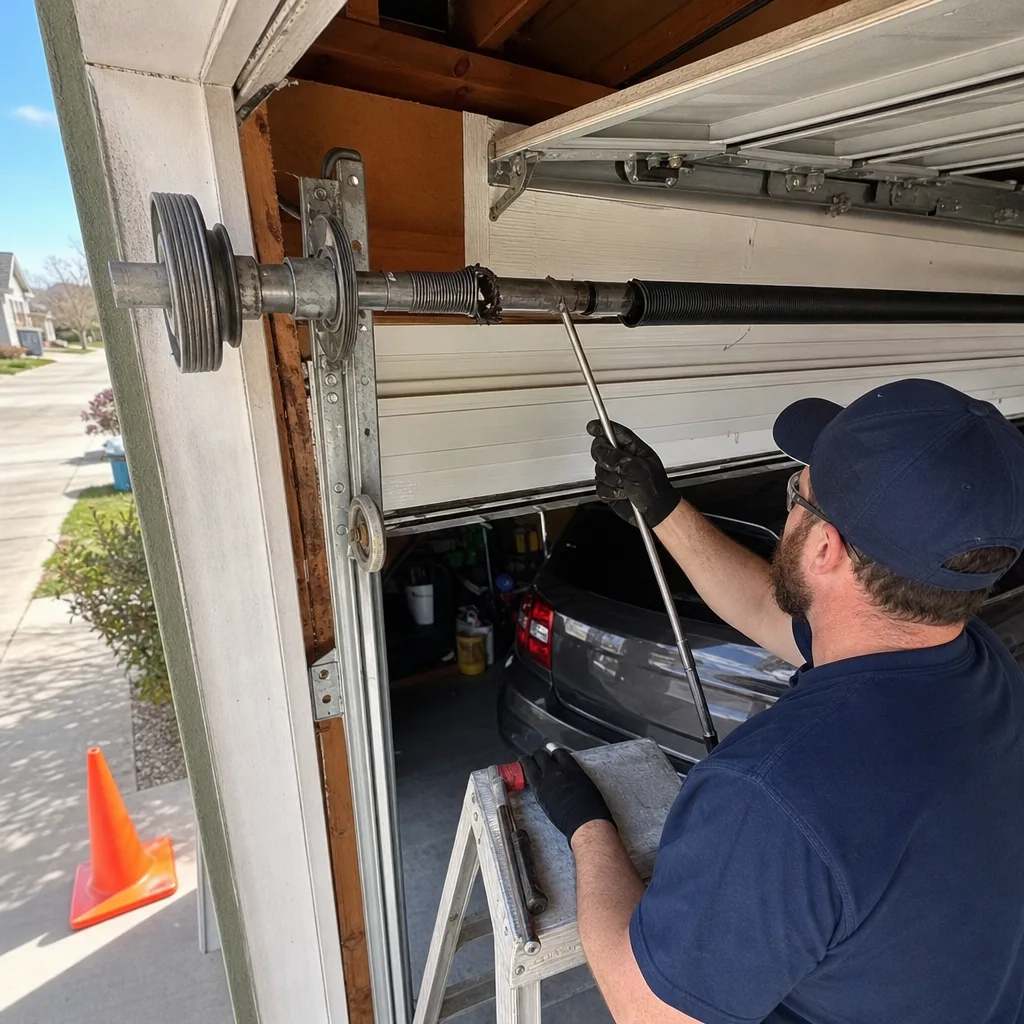
- Spring failure: The door is very heavy when lifted by hand, the opener strains or fails to lift it, and you may see a visible two-inch gap in a torsion spring above the door or a stretched extension spring along the side. You’ll often hear a loud bang when a torsion spring snaps, though not always.
- Cable failure: The door hangs visibly crooked, one corner lower than the other, and the cable may be visibly off its drum, slack, or frayed. The door often won’t close evenly because one side has lost tension.
- Both at once: A snapping spring can whip the cable off its drum, so a single failure event can produce both symptoms. This is common and requires both repairs.
Here’s the part that matters most: a torsion spring stores enormous energy, and a cable under load does the same. Both are genuinely dangerous. Do not attempt to loosen, cut, or remove either one. Do not try to “help” the door by lifting it. Call a specialist. Our garage door spring repair service exists for exactly this, because springs are the most dangerous component in a residential door system and require proper training and tooling.
What a spring repair typically involves
- Technician secures the door and relieves torsion safely using winding bars.
- The broken spring is measured for wire gauge, inside diameter, and length.
- A matched replacement is installed and tensioned to the door’s specific weight.
- Cables and drums are inspected for collateral damage.
- The door is cycled and balance-tested before the technician leaves.
If you have a two-spring torsion system and one spring has snapped, replace both at the same time. The surviving spring is the same age and has absorbed the same cycles, and leaving it in place usually means a second service call within a year. When the second spring goes, it can take the cables with it and leave the door hanging off one side.
Which Troubleshooting Is Safe for Homeowners and Which Requires a Specialist
We get asked this a lot, and the honest answer is that there’s a clear line. On one side are adjustments any careful homeowner can make with a screwdriver and five minutes. On the other are systems that can cause serious injury if handled wrong. Knowing which side you’re on is the single most valuable skill in this guide.
Safe for homeowners
- Cleaning and aligning photo-eye sensors.
- Testing the safety reverse by placing a two-by-four in the door’s path.
- Replacing remote control batteries.
- Lubricating hinges, rollers, and tracks with a proper garage door lubricant (not WD-40).
- Tightening hinge and bracket bolts that have vibrated loose.
- Clearing obstructions from the door path.
- Resetting the opener after a power outage by following the manufacturer’s instructions.
Requires a specialist, every time
- Any work on torsion springs, extension springs, or their hardware.
- Anything touching cable drums, cables, or the center bearing plate.
- Adjusting opener force limits beyond the manufacturer’s instructions.
- Straightening a track that’s been bent by impact.
- Replacing bottom brackets, which are under cable tension.
- Any repair on a door that is currently hanging on one side or stuck open.
- Electrical diagnosis of opener wiring or logic boards.
The safety reverse test is worth doing once a month. Open the door, place a two-by-four flat on the floor in its path, and close it. The door should reverse on contact. If it pushes down on the board or doesn’t reverse, the safety mechanism is failing, and that’s a call-us-now situation. The other monthly check is the balance test, covered below.
Seasonal Track Alignment and the October-to-January Shift
Here’s a scenario that plays out every winter in Plainfield. A door works fine all summer and fall, then in the first hard freeze it starts binding halfway up, or hesitates, or grinds. Nothing has broken. What’s happened is that the framing the tracks are bolted to has shifted with the temperature change, pulling the tracks slightly out of vertical alignment. Cold also thickens lubricant, and both effects combine to make the door work harder than it did in October.
Add the fact that Plainfield winters bring freeze-thaw cycles, and you get a building envelope that moves more than you’d expect. A fraction of an inch of movement at the track bolts is enough to pull two rollers out of alignment and create a bind point.
Signs of seasonal track misalignment
- The door hesitates at the same height every time.
- You hear a pop or grind at one specific point in the cycle.
- The door looks level when open but binds on the way down.
- One roller shows uneven wear compared to the others.
If the bind is severe or the track is visibly bent, don’t force the door. Forcing it can bend the track further and sometimes stresses the opener into failure. A technician can re-level the track, check the rollers, and re-lubricate in a single visit. That’s not a repair, it’s an adjustment, and it costs a fraction of what a track replacement would.
What to do when your door binds in the cold
- Stop cycling the door. Repeatedly running a binding door wears the opener.
- Disconnect the opener using the manual release (pull the red cord) and try lifting the door by hand. If it’s very heavy, the springs or cables are the problem, not the track.
- If it lifts smoothly by hand but binds when the opener runs it, the issue is alignment or the opener’s force setting.
- Book an adjustment visit and describe exactly where in the cycle it binds.
Spring and cable failures also show up more in the cold because the metal is already fatigued and the temperature change is the final stressor. If your door worked fine in fall and is dead in January, springs are a real suspect, not just tracks.
Opener Troubleshooting: When the Problem Lives in the Head Unit
If the opener motor is silent when you press the control, or if it runs but no movement reaches the door, you’re looking at the opener itself rather than the door. Common failures include a stripped drive gear (the motor runs, but the door doesn’t move and you hear a grinding sound from the head unit), a dead logic board after a power surge, a failing capacitor, and a snapped belt or chain.
We see this most often on openers past the ten-year mark, and it’s not brand-specific. Chamberlain, LiftMaster, Genie, Craftmaman, and Raynor openers all eventually show the same wear patterns, and all are diagnostic-friendly with the right tools. The flip side of that is that sometimes what looks like a dead opener is actually a broken spring. The motor runs, strains, and stops because the door is too heavy for it to lift. Diagnosing that correctly the first time is the difference between an opener repair and an unnecessary replacement.
Quick opener checklist
- Is the wall outlet the opener plugs into live? Test it with a lamp.
- Is the manual release engaged? Re-engage the trolley.
- Is the lock mode on the wall control engaged?
- Are the remote batteries dead? Try the wall control first; if the wall control works, the remotes are the issue.
- Has the opener been reset after a power outage? Follow the manufacturer’s reset procedure.
- Is the safety sensor LED steady? A sensor fault blocks all closure.
If the answer to all of those is yes and the opener still won’t run, it’s time for a diagnosis. Our garage door opener repair work covers every major opener brand, and if the unit is at end of life, replacing just the opener (keeping your existing door) is often the smartest cost play.
The Balance Test Every Garage Door Owner Should Know
The balance test tells you in thirty seconds whether your door’s springs are carrying their share of the weight. It’s the single most useful preventive check you can do at home, and it catches spring wear before a failure leaves you with a dead door. Do it once a month and after any weather event that involved significant temperature change.
Running the balance test
- Close the door completely.
- Pull the manual release cord to disconnect the opener.
- Lift the door by hand to about waist height and let go.
- A properly balanced door should stay roughly where you released it, or drift slowly down.
- If the door drops hard or is very heavy to lift, the springs are losing tension or failing.
- Re-engage the opener by running it until the trolley clicks back into place.
If the door rises on its own after you let go, the springs are over-tensioned. That’s also a call-a-specialist situation, since tension adjustments involve the same hardware that causes spring injuries. Never try to adjust spring tension yourself. If the door drops hard, treat it as an early warning and book a service visit before something snaps. An adjustment now is always less expensive than a full spring replacement or cable repair.
Why this test matters
Springs carry the entire weight of the door. When they lose tension, the opener takes up the slack, and that’s when you start seeing opener failures, stripped gears, and premature wear. A balance test catches that progression before it costs you an opener. In our experience, most premature opener replacements come from a door that was out of balance for months without anyone noticing. It’s not the opener that failed first; it was the springs.
Common Mistakes to Avoid
- Greasing the tracks. Tracks should be clean and dry. Lubricant there collects grit and causes the very binding homeowners are trying to fix. Grease hinges and rollers, not the track surface.
- Using WD-40 as a lubricant. It’s a solvent, not a garage door lubricant. It displaces the proper lubricant and attracts dust. Use a proper garage door spray.
- Adjusting the opener’s force limits to compensate for a heavy door. Cranking up the force setting is often the first thing homeowners do when the door stops lifting. It masks the real problem (usually springs) and puts dangerous force into a door that’s about to fail.
- Replacing one spring on a two-spring door. The other spring is the same age and will fail soon. Replace both and you’re done.
- Forcing a stuck door with the opener. This can bend the track, snap a cable, or burn out the opener. Disconnect and diagnose first.
- Assuming a sensor fault means the sensor is broken. Most sensor faults are alignment or obstruction, both of which are free to fix.
- Ignoring a door that hangs slightly crooked. A crooked door means one side is under different tension. It’s an early sign of cable or spring trouble.
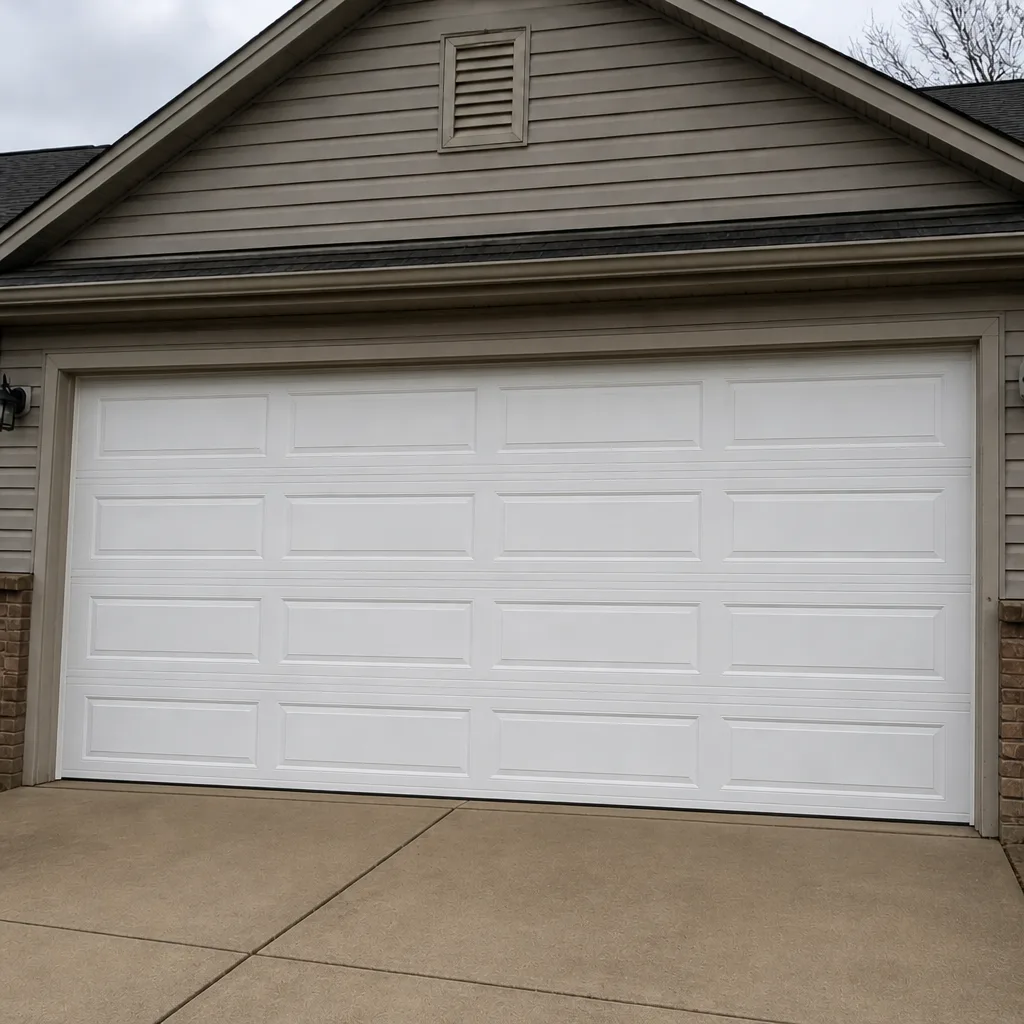
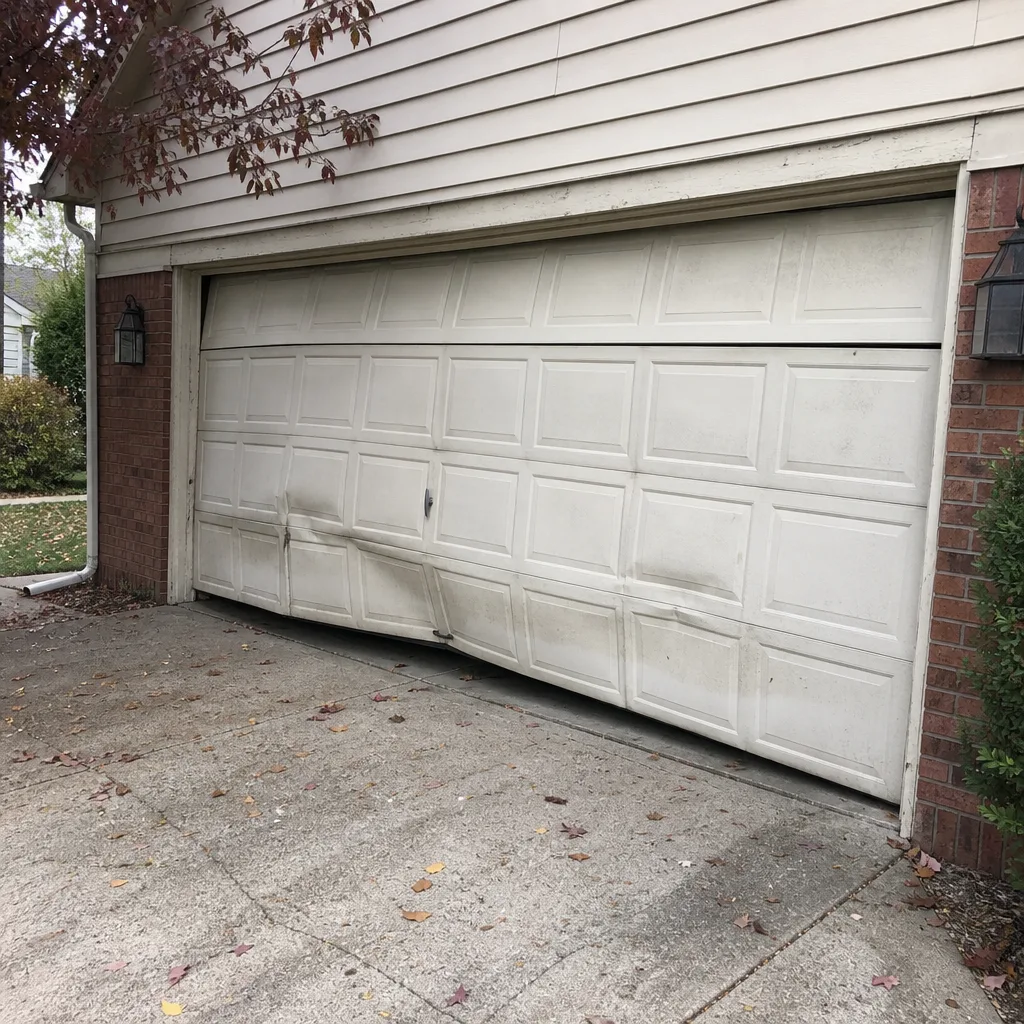
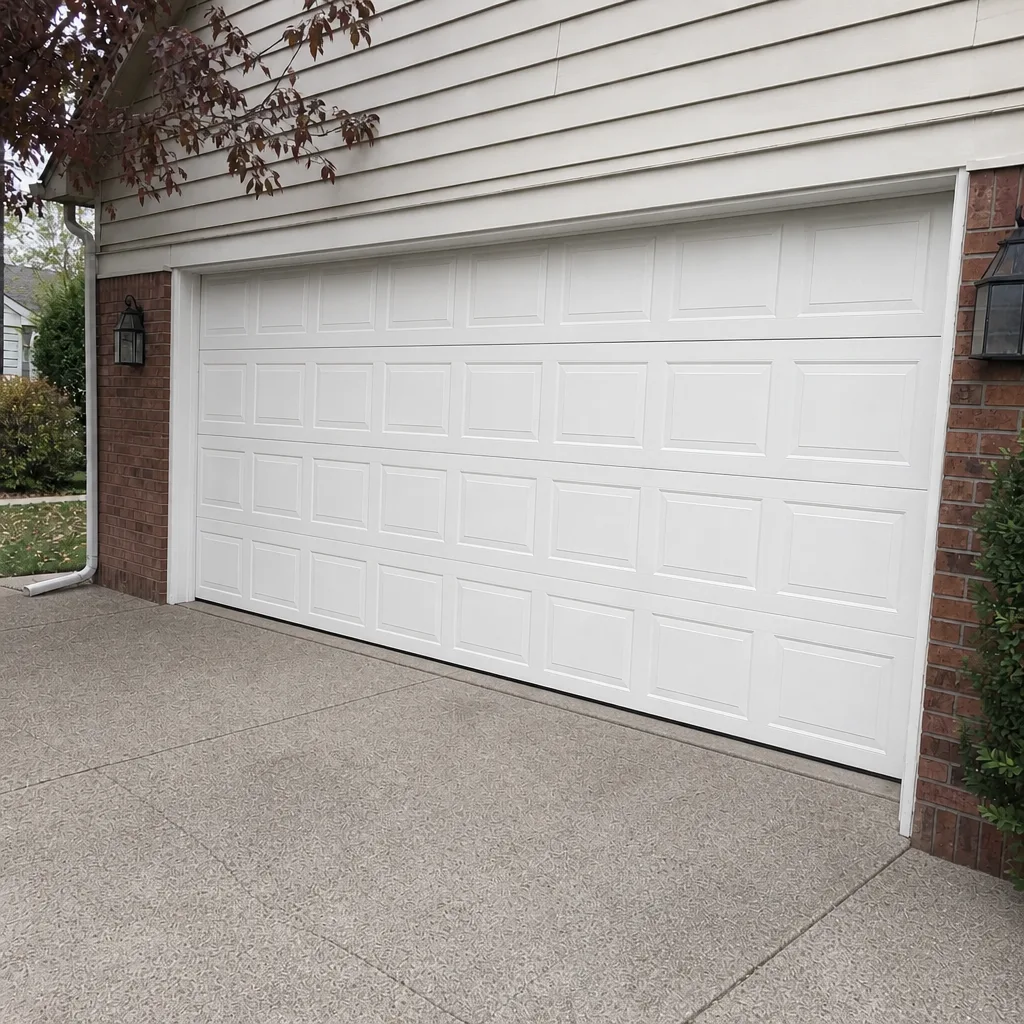
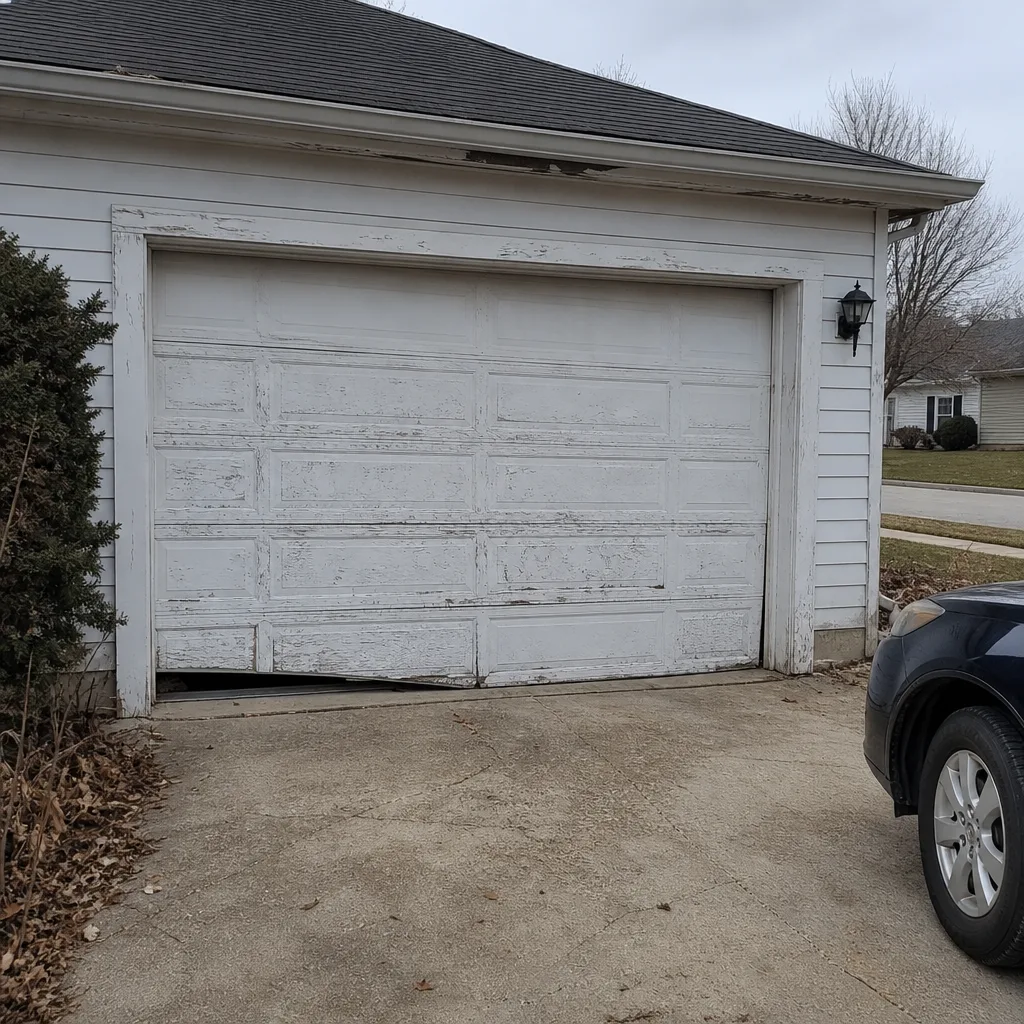
See the difference
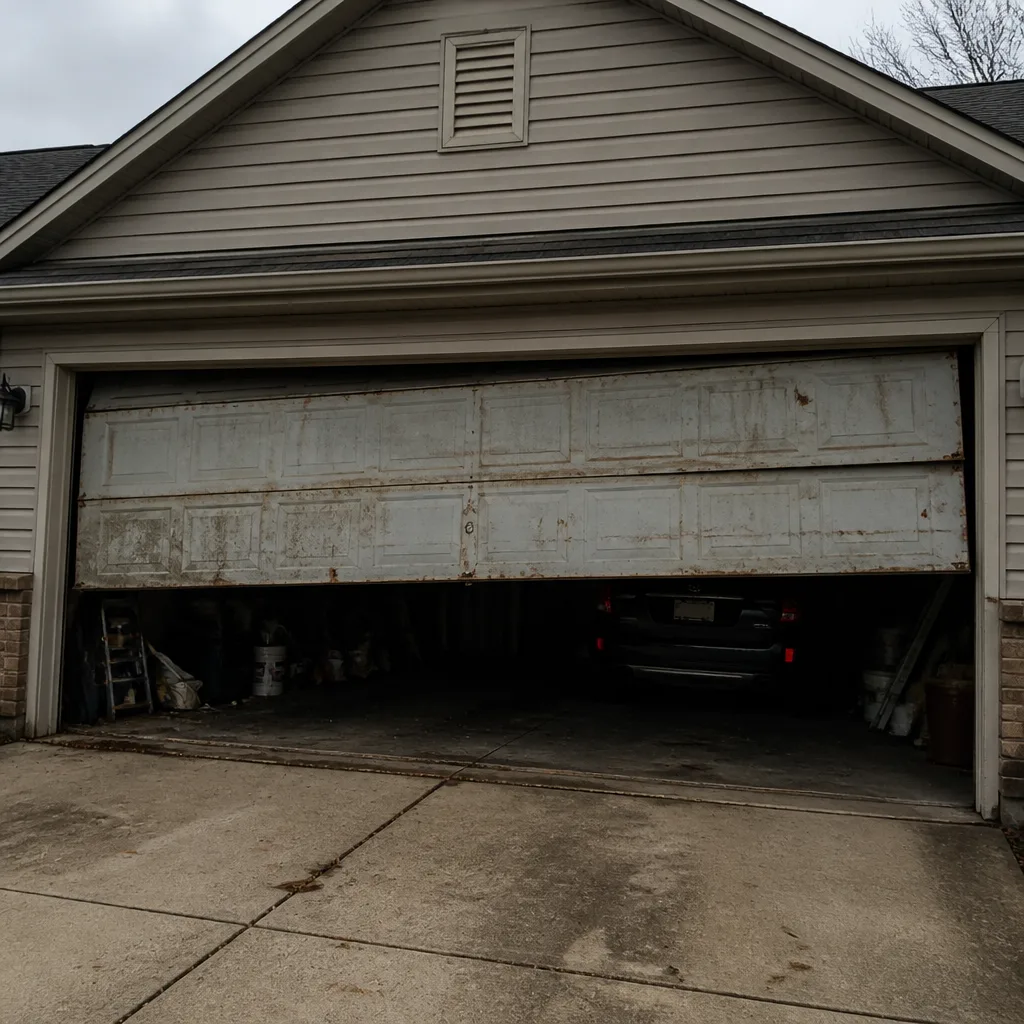 Before
 After
 Before
 After
 Before
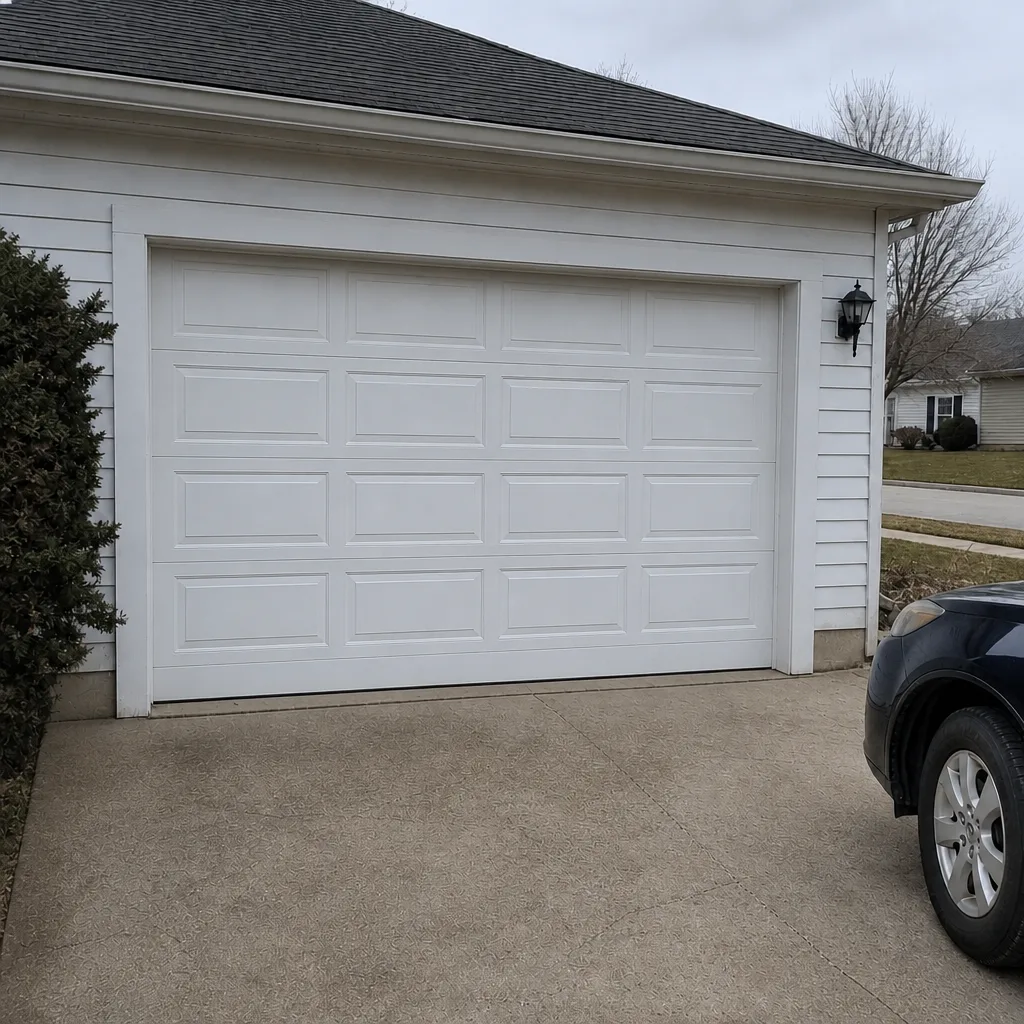 After
When to Call a Professional
Call a professional if any of these are true: the door is currently hanging on one side, the opener runs but no movement reaches the door, the safety reverse test fails, a spring is visibly broken or you’ve heard a loud bang from the garage, a cable is off its drum or frayed, or the door is too heavy to lift by hand. Those are all specialist-only situations, and delaying often makes them worse. Also call if the door binds at the same point repeatedly, if the opener has failed to lift the door more than once in a week, or if the door is past ten years without a professional adjustment. Plainfield Garage Door Repair Experts offers free estimates in Plainfield. We handle springs, cables, tracks, openers, and full door replacement as a single trade, which means we diagnose the whole system rather than guessing at one part. Call (866) 371-6990. We answer 24/7. Fast dispatch from 7am to 7pm, Sunday through Friday.
Frequently Asked Questions
Misaligned or obstructed photo-eye sensors are the most likely cause, and it’s the first thing to check. Look at the LED on both sensors; a flickering or dark light means the beam is broken or the alignment is off. Clean the lenses, check for obstructions, and adjust the sensor until both lights are steady. If that doesn’t fix it, the sensor wiring or opener logic board may be failing, and it’s worth having a technician diagnose it. Call (866) 371-6990. We answer 24/7. Fast dispatch from 7am to 7pm, Sunday through Friday.
A broken spring usually leaves the door very heavy to lift by hand, and you may see a visible gap in the spring above the door. A broken cable usually leaves the door hanging crooked, with one side noticeably lower. Both are possible at once since a snapping spring can whip a cable off its drum. Either way, do not attempt to repair it yourself. Springs and cables store dangerous energy and require a trained technician. Call (866) 371-6990. We answer 24/7. Fast dispatch from 7am to 7pm, Sunday through Friday.
Temperature-driven movement in the framing pulls the tracks slightly out of alignment, and cold thickens lubricant, both of which cause binding. This is an adjustment issue rather than a failure, and it’s common in Plainfield during freeze-thaw cycles. Book an adjustment visit and describe exactly where in the cycle it binds. Call (866) 371-6990. We answer 24/7. Fast dispatch from 7am to 7pm, Sunday through Friday.
No. Spring tension is the single most dangerous repair in the garage door trade, and it’s responsible for serious injuries every year even among people with mechanical experience. The stored energy in a torsion spring is enormous, and releasing it incorrectly can be catastrophic. Every spring repair should go to a trained technician with the right tooling. Call (866) 371-6990. We answer 24/7. Fast dispatch from 7am to 7pm, Sunday through Friday.
You have an opener drive failure (stripped gear, broken chain or belt) or a mechanical problem in the door itself (broken spring, snapped cable, or a trolley off its track). Check the manual release first, then lift the door by hand to see if it’s heavy. If it’s heavy, the springs or cables are the problem. If it lifts smoothly but the opener still doesn’t move it, the drive is the fault. Call (866) 371-6990. We answer 24/7. Fast dispatch from 7am to 7pm, Sunday through Friday.
Once a year is the common benchmark, ideally before the cold season arrives. A service visit includes a balance test, track alignment check, hinge and roller lubrication, safety reverse test, and spring inspection, and it catches small issues before they become spring or opener failures. Between visits, run the monthly balance test at home. Call (866) 371-6990. We answer 24/7. Fast dispatch from 7am to 7pm, Sunday through Friday.
The Bottom Line
Most garage door problems fall into five systems, and matching the symptom to the system eliminates most of the guesswork before anyone touches a wrench. Clean and align your sensors first, run the balance test monthly, keep the tracks dry, and don’t force a door that’s binding. Spring and cable work is specialist territory no matter how handy you are. If your door is dead, hanging crooked, or failing the safety reverse test, call a specialist today rather than waiting. Plainfield Garage Door Repair Experts handles repair, spring repair, opener repair, and new door installation as a single specialty, so the whole system gets diagnosed as one. Call (866) 371-6990 for a free estimate. We answer 24/7. Fast dispatch from 7am to 7pm, Sunday through Friday.
Written by the team at Plainfield Garage Door Repair Experts.