
Last updated November 22, 2026
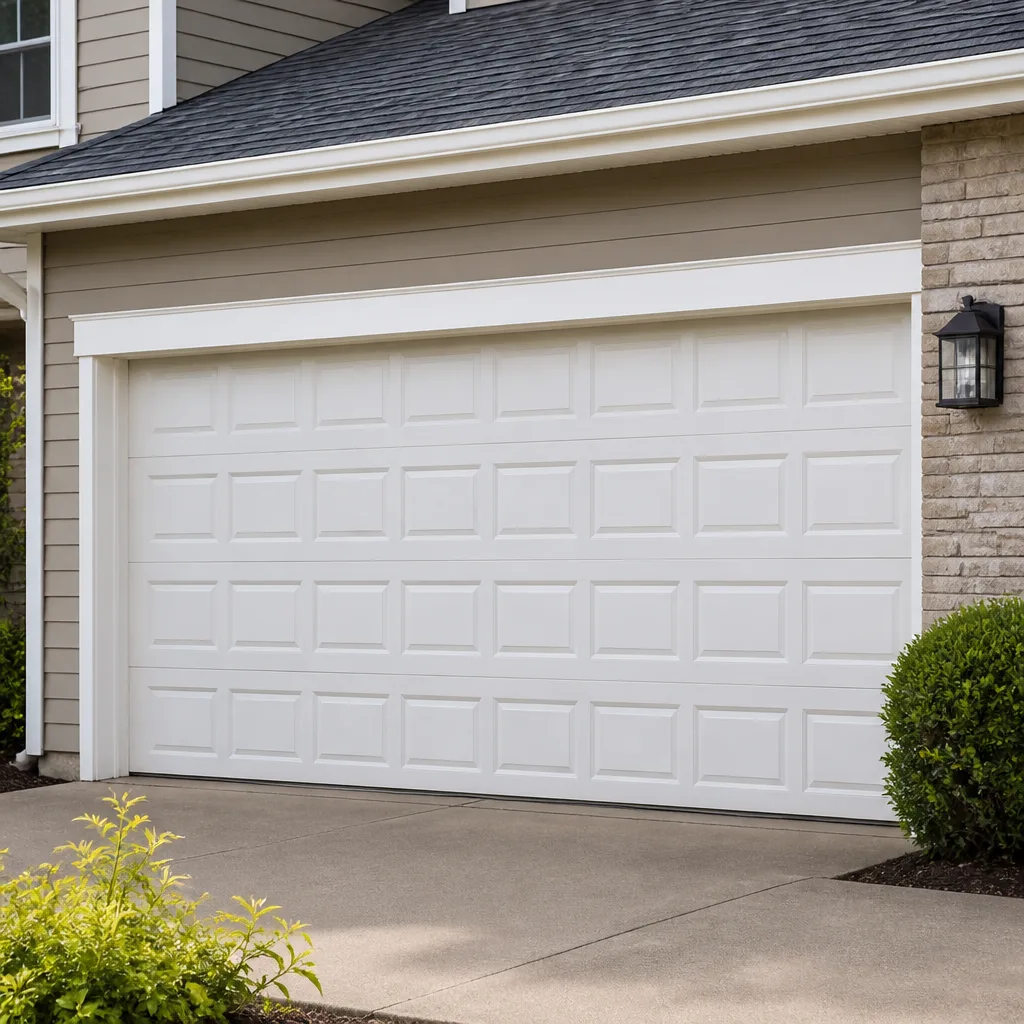 Raised-panel steel
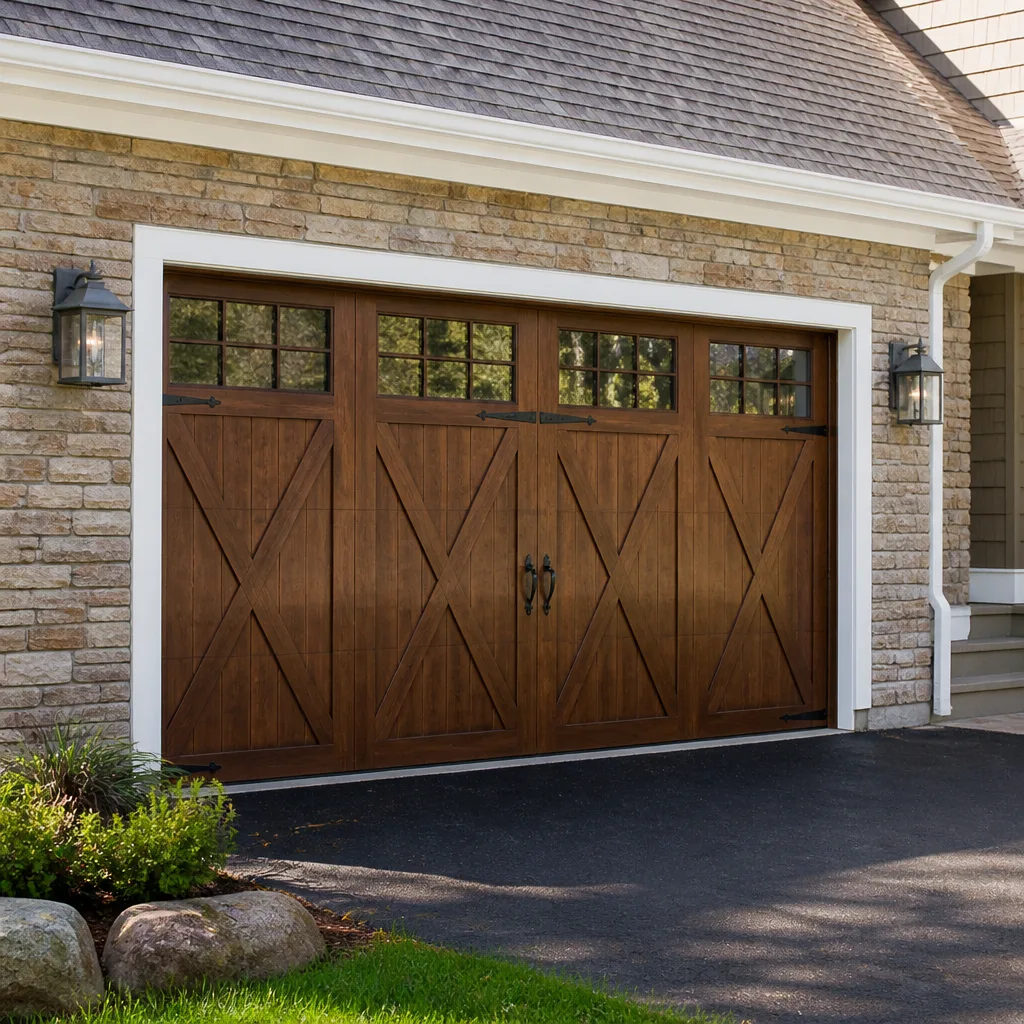 Carriage house
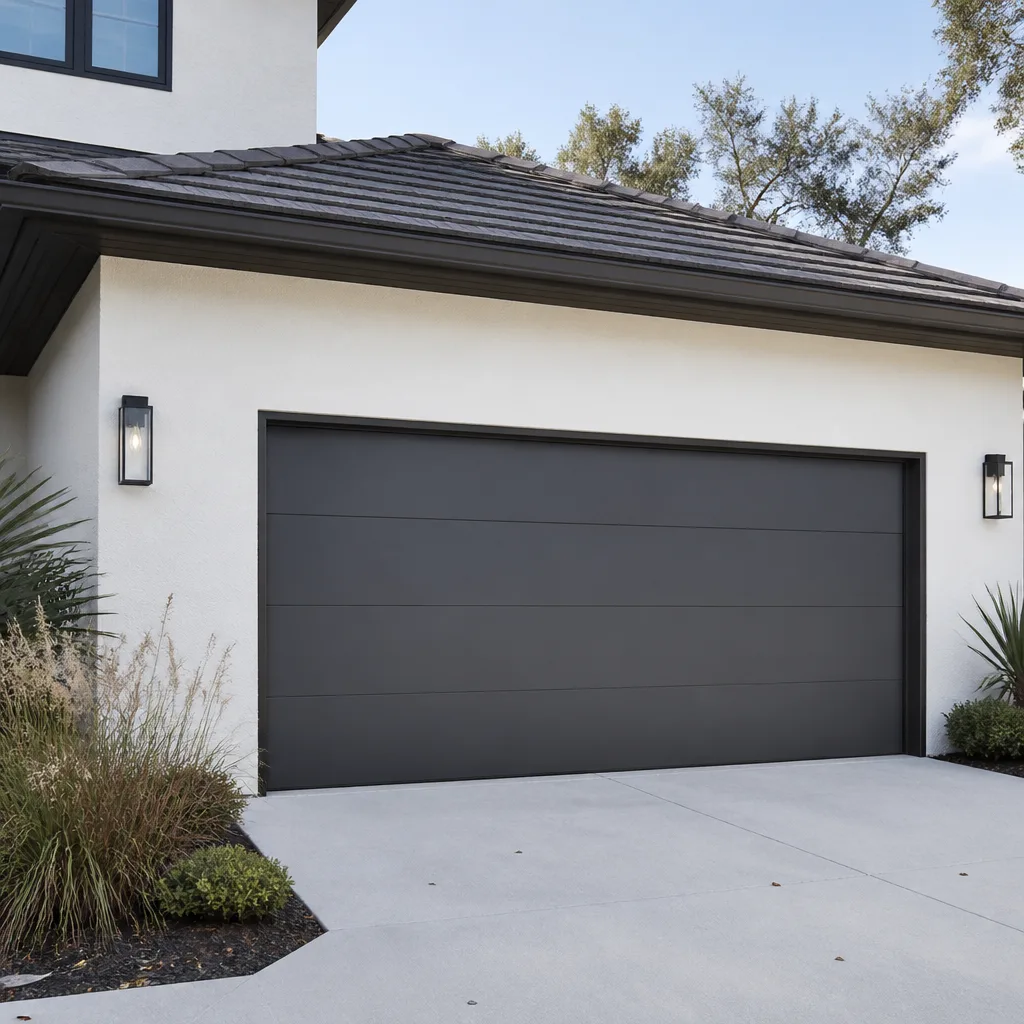 Modern flush
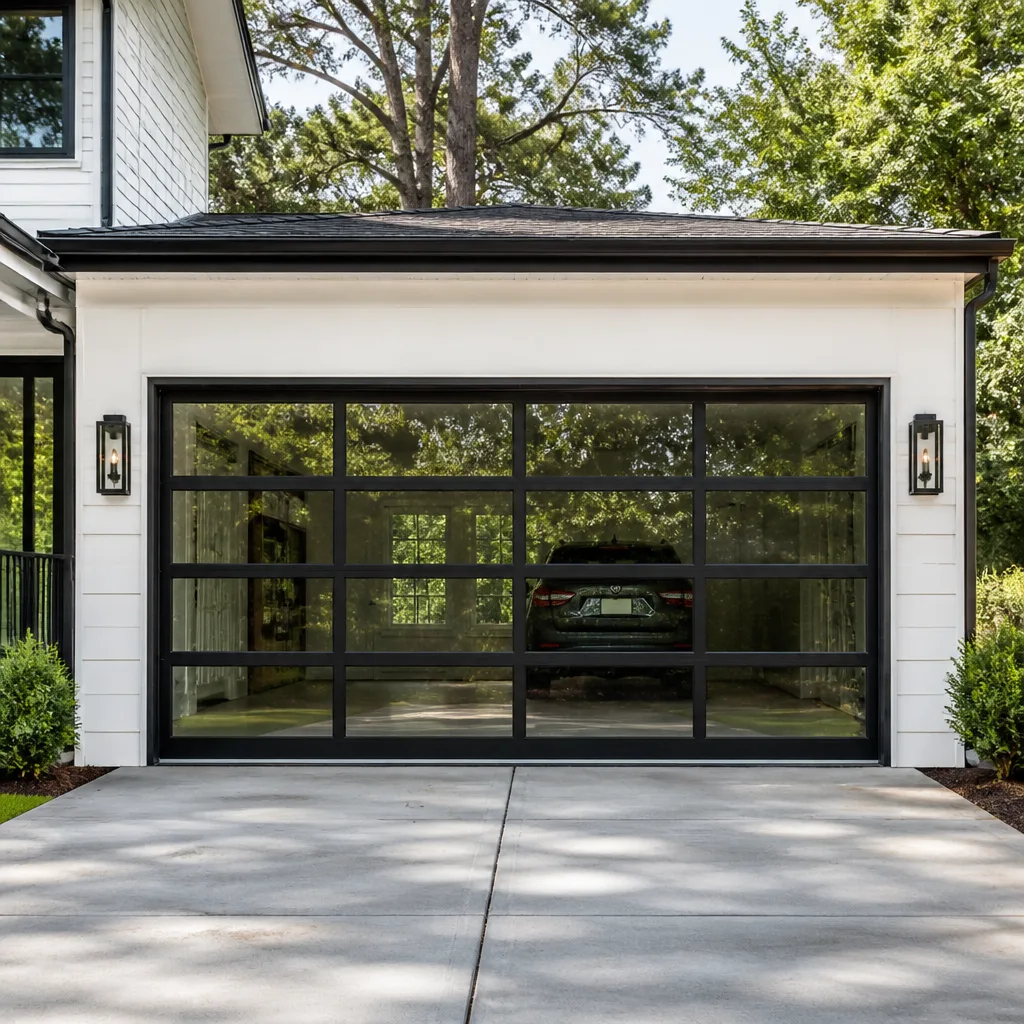 Full-view glass
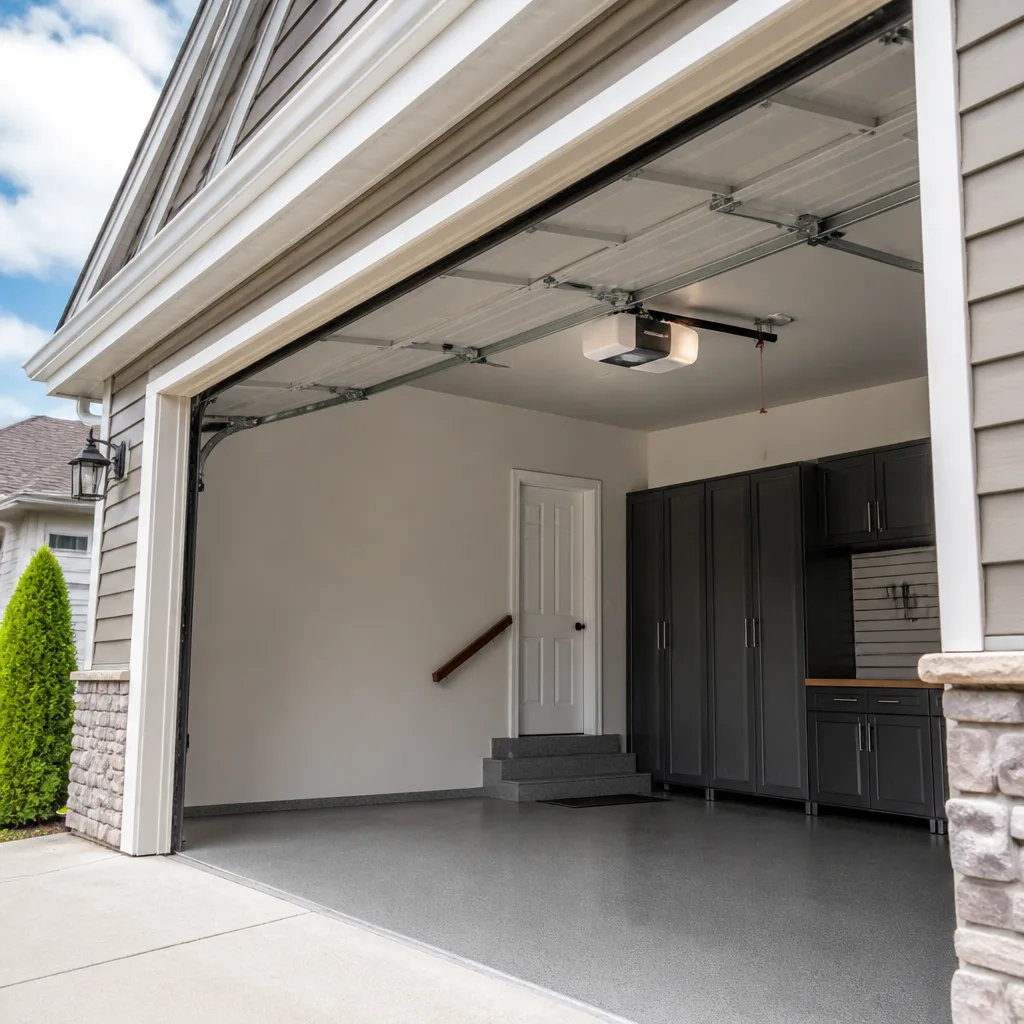 LiftMaster openers
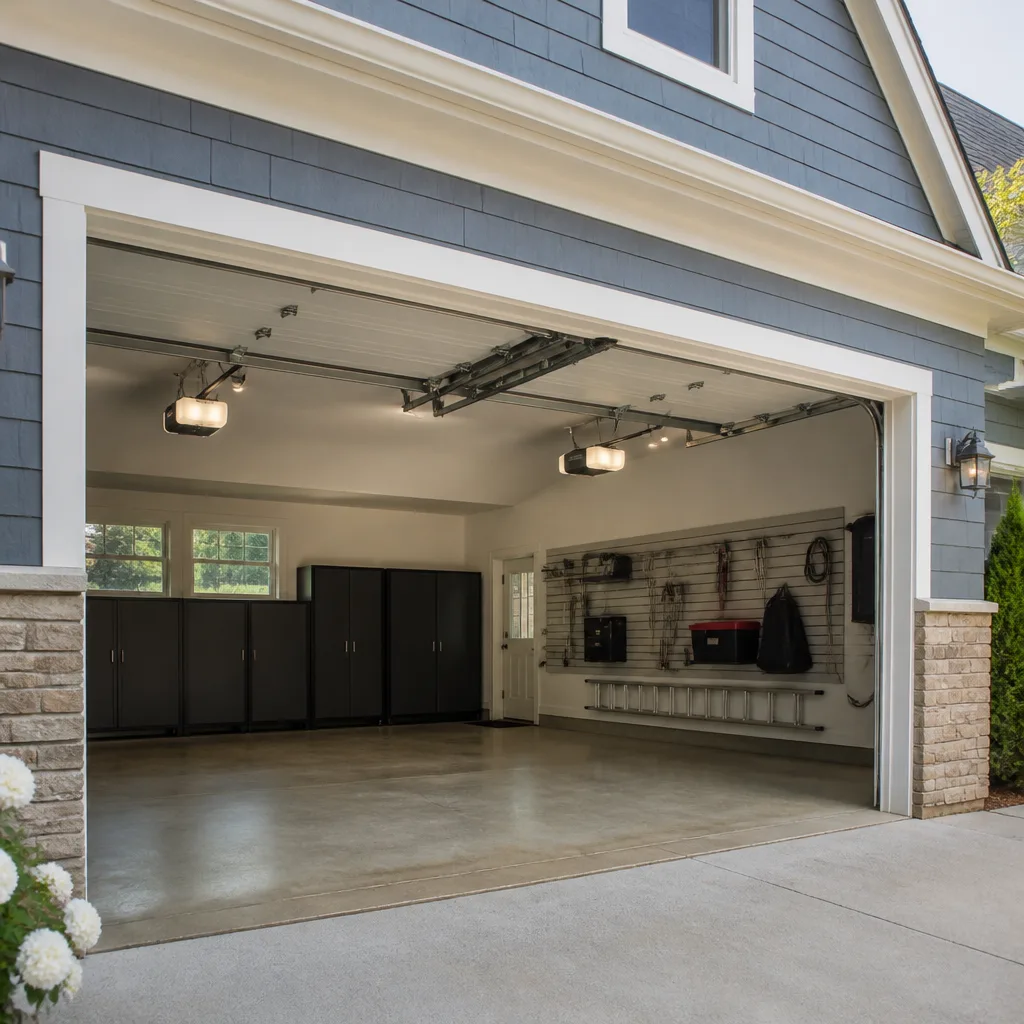 Chamberlain openers
Full 25-point door and opener safety check with every visit - springs, cables, rollers, tracks, and your LiftMaster or Chamberlain opener included
You get a price before we start. It does not change when the pro arrives.
Get your free estimateGarage Door Permits, Codes & Inspections in Plainfield, IN: What You Need to Know
The permit requirement doesn’t hit you when the work is done. It hits you when the home inspector flags it during a sale, and suddenly a door you replaced years ago is a line item in a negotiation you didn’t plan for. That’s the pattern that catches people in Plainfield: a garage door replacement looks like maintenance, gets treated like maintenance, and quietly lands outside the Town of Plainfield’s permit process. Most of the time nothing goes wrong. But the times something does, it goes wrong at the worst moment.
This guide covers when Plainfield actually requires a permit for garage door work, what the Indiana residential code says about the door between your garage and your living space, how wind load ratings shape the door you buy, where HOA rules can be stricter than the town’s, and what happens with insurance when unpermitted work turns up after damage. If you’re about to replace a door or change an opener, read this first.
Quick Answer
In Plainfield, a true like-for-like garage door replacement (same size, same weight, same material, same header) is typically treated as ordinary maintenance and usually doesn’t require a building permit. Anything that changes the structure or the door’s specs – different size, different weight, new framing, a re-rated wind load, or alterations to the attached garage’s fire separation – generally does require a permit from the Town of Plainfield Building Department.
Opener replacement is almost always maintenance. Structural changes and new construction openings are almost always permitted. If you’re unsure which side of the line your job falls on, call the Building Department and describe the job in specifics. It’s a short conversation that can save a long one later.
Styles & brands we work with
- Raised-panel steel
- Carriage house
- Modern flush
- Full-view glass
- LiftMaster openers
- Chamberlain openers
Table of Contents
- When does a garage door need a permit in Plainfield?
- What counts as like-for-like replacement?
- The fire separation wall: the code section homeowners never ask about
- Wind load ratings and how they change your door choice
- How Plainfield HOA architectural guidelines interact with town code
- What an inspection of garage door work actually looks like
- What unpermitted work does to an insurance claim
- How this surfaces at resale – and how to prevent it
When does a garage door need a permit in Plainfield?
The short version: the permit question hinges on whether the work changes the building or just replaces a component. The Town of Plainfield Building Department handles structural alterations, new openings, and anything affecting the building envelope. Garage door work falls somewhere in the middle, and the deciding factor is almost always whether the door’s physical specs change.
Use this list as a starting point, then confirm the specifics with the Building Department before you schedule anything:
- Usually no permit: replacing one door panel with an identical panel; replacing a torsion spring or extension spring; replacing an opener motor with an equivalent unit; swapping a standard LiftMaster or Genie opener for a similar model; replacing rollers, hinges, or cables; replacing a door with an identical model of the same size and weight.
- Usually requires a permit: cutting a new opening in the garage wall; changing the door’s size (wider, taller, or both); moving from steel to wood, or from a lighter door to a significantly heavier one; changing the header or track layout; replacing the door’s rated wind load with a different spec; altering the fire separation wall between the attached garage and living space.
- Depends on scope: replacing a damaged door with a slightly different model from the same manufacturer; changing from a manual door to an opener-assisted door; replacing a door on an attached garage where the door’s mass requires new framing.
If you’re replacing a door with the same model from the same manufacturer (Clopay or Amarr, for example), that’s usually on the maintenance side. If you’re changing anything the door was engineered around, it’s not. When you call garage door repair to replace a door, the conversation about the permit should happen before the door arrives, not after. We’ve seen enough Plainfield homes with a re-rated door and no paperwork to know it’s not a hypothetical.
The Building Department isn’t trying to slow you down. They want a record of structural changes so the town’s records stay accurate and so future inspectors know what was done and to what standard. A short call beats a long correction.
What counts as like-for-like replacement?
Like-for-like means the new door replicates the old door in every spec that matters to the building. Same size, same material, same weight, same balance system, same wind load rating, same attachment to the existing header. In practice, that’s the most common garage door replacement in Plainfield, and it’s usually not permitted.
Here’s how to think about it:
- Measure the opening, not the door. The opening width and height define the door. If those are the same, you’re in like-for-like territory.
- Weigh the door (or get the spec from the manufacturer). A door swap that changes weight significantly can change the spring and track requirements. That pushes the job from maintenance into alteration.
- Check the material and insulation rating. Moving from a single-layer steel door to an insulated steel or wood door usually changes the door’s weight and can affect the header. Different rating, different classification.
- Confirm the wind load. If the current door is rated and the replacement isn’t, you’ve created a mismatch – and an inspector will flag it eventually.
- Ask the Building Department before you order. Describe the original door and the replacement door in specifics. If the answer is “no permit,” you have a record. If it’s “permit,” you know what’s coming.
One thing we’ve noticed: the “like-for-like” question gets confusing when the homeowner wants to upgrade. A new door that looks identical but carries a higher insulation rating isn’t the same door from the code’s perspective, and it’s better to learn that before the door shows up. When you call for garage door opener repair or a door replacement in Plainfield, ask about the spec change explicitly. It’s the difference between a maintenance job and a permitted one.
If you’ve already replaced a door and you’re not sure whether a permit was needed, ask the Building Department directly. They’ll tell you whether they have a record of the work and whether they’d want to see one.
The fire separation wall: the code section homeowners never ask about
Most of the code around garage doors is about the opening itself. The part that catches people is the wall. Indiana’s residential building code requires a fire separation between an attached garage and the living space – a specific separation rating on the wall, ceiling, and door between them. The purpose is to slow the spread of fire and keep carbon monoxide out of the house.
What that means practically, when you’re doing garage door work in Plainfield:
- The door between the garage and the house (the interior door, not the overhead door) needs to carry a fire rating and self-close. If a contractor swaps it for a standard interior door during a garage renovation, that’s a code violation – and it usually surfaces at inspection or resale.
- The walls and ceiling between an attached garage and living space need a specific fire separation. If you’re cutting into that wall to widen an opening, rebuild it to standard. That’s a permitted job.
- The overhead garage door itself doesn’t carry a fire rating in most residential applications, but the framing around it does. If the header changes, the fire separation on that wall has to be restored – and that’s part of what the permit covers.
This is the section where a generalist contractor is most likely to cost you money. The door looks fine, the opening looks fine, and the fire separation has been quietly compromised by a job that ignored it. When you’re comparing bids on a door replacement in Plainfield, ask what the contractor is doing about the fire separation wall if the header or the framing changes. The good ones will answer without hesitation.
If you’ve inherited a home with a suspicious interior garage door swap or an opening that was clearly cut after the home was built, it’s worth asking the Building Department what they have on file. Fixing it is cheaper than discovering it during a sale.
Wind load ratings and how they change your door choice
Indiana’s building code applies wind load requirements to new garage door installations, and this is where the door you want and the door that passes can diverge. Wind load is a measure of how much pressure the door must resist, and it’s a function of the door’s size, the building’s exposure, and where the opening sits on the structure. A steel door with one thickness of gauge doesn’t have the same wind load rating as another of identical dimensions with a different center reinforcement.
Why this matters in Plainfield specifically: the town has seen its share of strong straight-line wind and severe storm activity over the years, and doors with low wind ratings have failed in the field for exactly that reason. A door rated to a lower wind load than the code requires for its location is an unprotected opening – and once water and wind get inside, you’re not dealing with a door problem anymore.
What to check before you order a new door:
- Ask the manufacturer for the wind load rating in writing. Clopay, Amarr, and Wayne Dalton all publish wind load ratings for their residential doors. Ask for it explicitly rather than assuming.
- Ask what wind load the current door was rated at. If the opening was previously permitted, the rating is on file with the Town of Plainfield Building Department. If the answer isn’t on file, the door’s own label often carries it.
- Have the contractor confirm the door meets the rating for your opening. A code-compliant installation isn’t just “it fits” – it’s “it’s rated for the pressure this opening will see.”
- Don’t let an opener spec override the door spec. A heavier door with the wrong opener is a separate failure mode, and it’s the reason we check the opener’s lifting capacity against the door’s weight every time.
This is where a specialist’s attention pays off. A generalist will install the door that fits. We’ll ask about the wind load rating on the door’s label, talk to the building department if the spec is unclear, and make sure the installation includes the reinforcement the rating requires. Springs are the most dangerous part of the system – see garage door spring repair for how we handle those – and wind load is the quieter one. Both matter.
How Plainfield HOA architectural guidelines interact with – and sometimes exceed – town code
Town code is a floor, not a ceiling. Many Plainfield neighborhoods with HOA architectural committees will require approval of a garage door replacement under their own rules, and those rules can be stricter than the Building Department’s – different door color restrictions, different window patterns, restrictions on style changes, and often an approval process that takes longer than the permit.
Here’s how the two processes typically interact:
- Town permit: triggered by structural or spec changes. Governed by the Building Department. Protects the building’s safety and the town’s records.
- HOA approval: triggered by almost any visible change to the door, including a like-for-like swap in some neighborhoods. Governed by the HOA’s architectural review committee. Protects the neighborhood’s appearance.
- Both can be required. A door that’s permitted but rejected by the HOA is still a problem. A door that’s HOA-approved but permitted incorrectly is still a problem. Do both.
In our experience, HOA guidelines are the step homeowners skip and later regret. If your Plainfield community has an architectural review committee, get the door spec approved in writing before you order. That’s especially important if you’re choosing between door styles – a Wayne Dalton door with a specific window pattern might pass the Building Department’s review and fail the HOA’s because the window pattern doesn’t match the rest of the street. That’s not a door quality issue; it’s a paperwork issue, and it’s preventable.
If you’re not sure whether your neighborhood has architectural rules, check your closing documents or ask a neighbor. A five-minute conversation beats a rejected installation.
What an inspection of garage door work actually looks like
“Inspection” is a word that makes homeowners nervous. For garage door work, it’s usually simpler than people expect. When a permit is required, an inspector from the Town of Plainfield Building Department reviews the completed work against the permitted scope. That appointment is the contractor’s responsibility to arrange and the homeowner’s to allow access for.
What the inspector typically checks:
- That the door matches the permitted spec. Size, weight, material, wind load rating – the door as installed has to be the door on the permit.
- That the framing and header are correct. If the permit covered header work, that’s on the checklist.
- That the fire separation wall is intact. If the wall was opened during the job, the inspector confirms it was restored.
- That the opener’s safety features work. The auto-reverse function and the photo-eye safety sensors need to function on command. This is a safety check, and it’s a short one.
- That the final inspection is recorded. The permit gets closed out in the town’s records, which is the document that protects you at resale.
The part homeowners find surprising: the inspection usually takes less time than scheduling it. The contractor handles the coordination, and if a correction is needed, the contractor handles that too. Our role is to make sure the installation is right the first time, so the inspection is a formality rather than a second job. If you’re working with a contractor who won’t handle the permit and inspection process, that’s worth noticing. It’s part of the job.
What unpermitted work does to an insurance claim
Insurance claims and permits interact in a way that doesn’t show up until you need to file one. If a door-related property damage claim turns up unpermitted work, the insurer can treat the work as a contributing factor and narrow what they cover. They can’t deny a claim just because work was unpermitted – but they can ask whether the unpermitted work caused or worsened the damage, and in some cases the answer changes the payout.
The realistic scenarios we’ve seen discussed:
- Water intrusion around a re-rated door. If a door was installed with a wind load rating below what the opening required and wind-driven rain got in, the insurer will ask about the installation. Whether the claim pays depends on the door’s rating and the permit record.
- Structural damage around a re-framed opening. If a permit was skipped on framing work and the header later shows failure, the insurer will want to know what was done and to what standard.
- A fire that started in the garage. Fire separation matters here. If the wall between garage and living space was compromised by unpermitted work, the insurer will investigate the wall’s condition at the time of the fire.
We’re not insurance adjusters and we don’t speak for your insurer. What we can tell you is that a permit record is a paper trail that answers the questions before they’re asked. It’s the difference between an inspector asking “what was done here?” and having a document to point to. In Plainfield, where the Building Department keeps those records, a permit is one of the cheapest forms of documentation available.
If a claim is already in progress and the door is part of it, talk to your adjuster about what documentation they need. If they need the door’s spec, the manufacturer’s label carries it. If they need the installation record, that’s where the permit comes in.
How this surfaces at resale – and how to prevent it
The standard home inspection at resale looks at the garage door. Not because inspectors are looking for work to flag, but because the garage door is a structural element of the home, and its condition and configuration are part of what’s being sold. If the door doesn’t match what’s on file with the town, the inspector notes it, and the buyer’s agent asks about it. That’s the point where a permit problem becomes a negotiation problem.
A few patterns we see on the resale side, in general terms:
- The door is the wrong spec but the right size. The door fits, but it’s rated differently than the permitted spec (or the spec on file doesn’t match). The buyer’s agent asks for documentation, the seller doesn’t have it, and the deal adjusts.
- The header was modified without a permit. If the header was re-framed to accommodate a taller door and the permit was skipped, the inspector can’t verify the framing was done to standard. That triggers a closer look.
- The fire separation was compromised. This is the one that stops sales. A missing or compromised fire separation between garage and living space is a safety issue, and most buyers and lenders treat it as one.
Prevention is simpler than correction. When you do the work, get the permit if it’s needed, keep the inspection record, and keep the manufacturer’s spec sheet for the door. The three documents live in the same folder and answer the questions before anyone asks them. If you’re doing garage door repair or replacement in Plainfield, ask the contractor what documentation they’ll leave behind.
For homeowners who’ve already done the work and don’t have records, the Building Department can tell you what’s on file. If a permit was required and never pulled, some municipalities allow a homeowner to pursue a permit after the fact through a variance or inspection process. That’s a conversation to have with the Building Department directly rather than a call we can make for you.
Common Mistakes to Avoid
- Assuming “it’s just a door swap” means no permit. The permit decision depends on whether the door’s specs change, not whether the door looks the same. A heavier door in the same opening is a different job from the code’s perspective.
- Ordering the door before calling the Building Department. Two minutes on the phone with the town before you order can prevent a re-order after the inspector reviews the installation. Door lead times are long enough without adding a paperwork stage.
- Skipping the HOA approval because the town approved it. These are two separate processes. The town permit is about structural safety; HOA approval is about appearance. A door that clears one can still fail the other.
- Letting a contractor skip the fire separation. If the wall between the attached garage and the living space was opened during the job, it needs to be restored to its rated standard. That’s a code requirement, not an optional upgrade.
- Losing the manufacturer’s spec sheet. The door’s wind load rating and weight matter for both the inspection and any future insurance claim. Keep the documentation with the rest of your home’s records.
- Assuming the inspector will tell you if a permit was needed. Inspectors review permitted work against the permit. They don’t review the work that wasn’t permitted. If you want to know whether the door is permitted, ask the Building Department.
- Ignoring the opener’s spec when replacing the door. If the new door is heavier than the old one, the existing opener may not be rated for it. That’s a safety issue, not a paperwork one, and it’s a separate conversation from the permit.
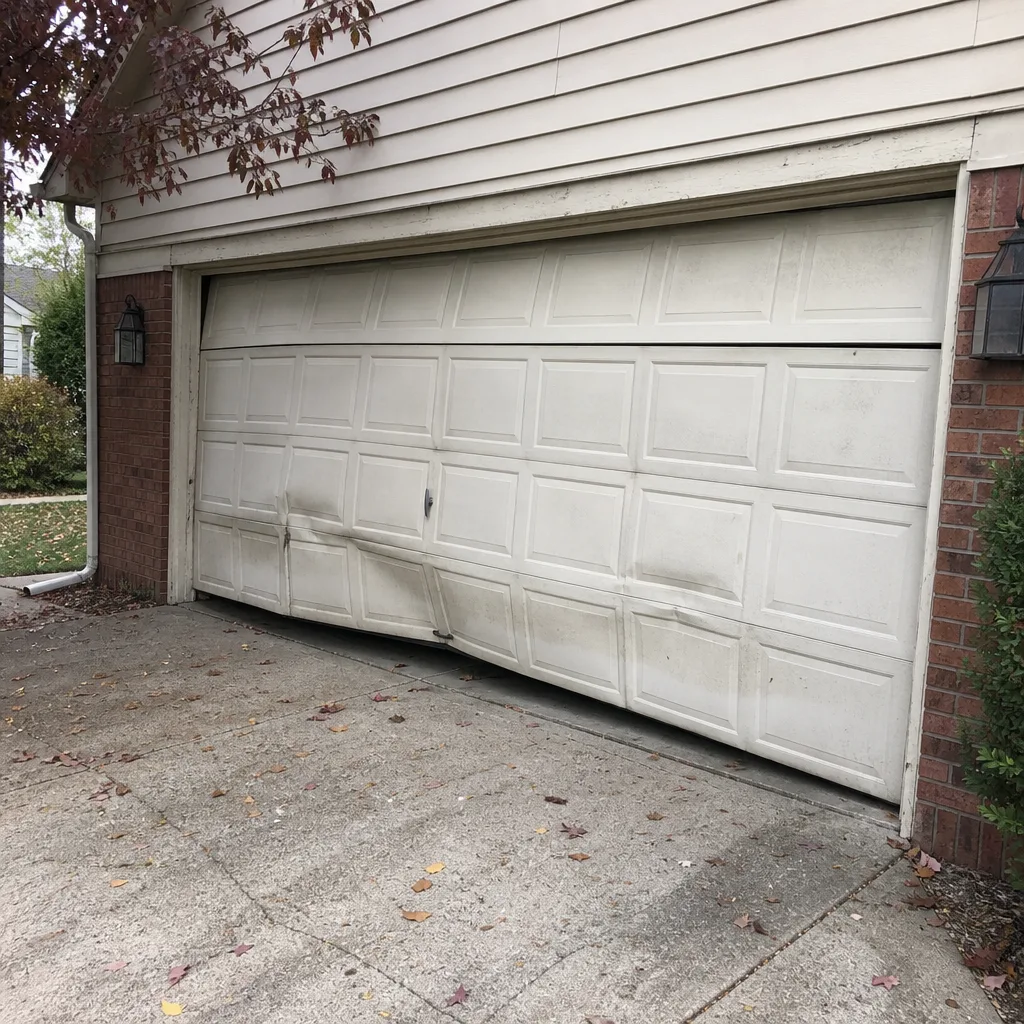
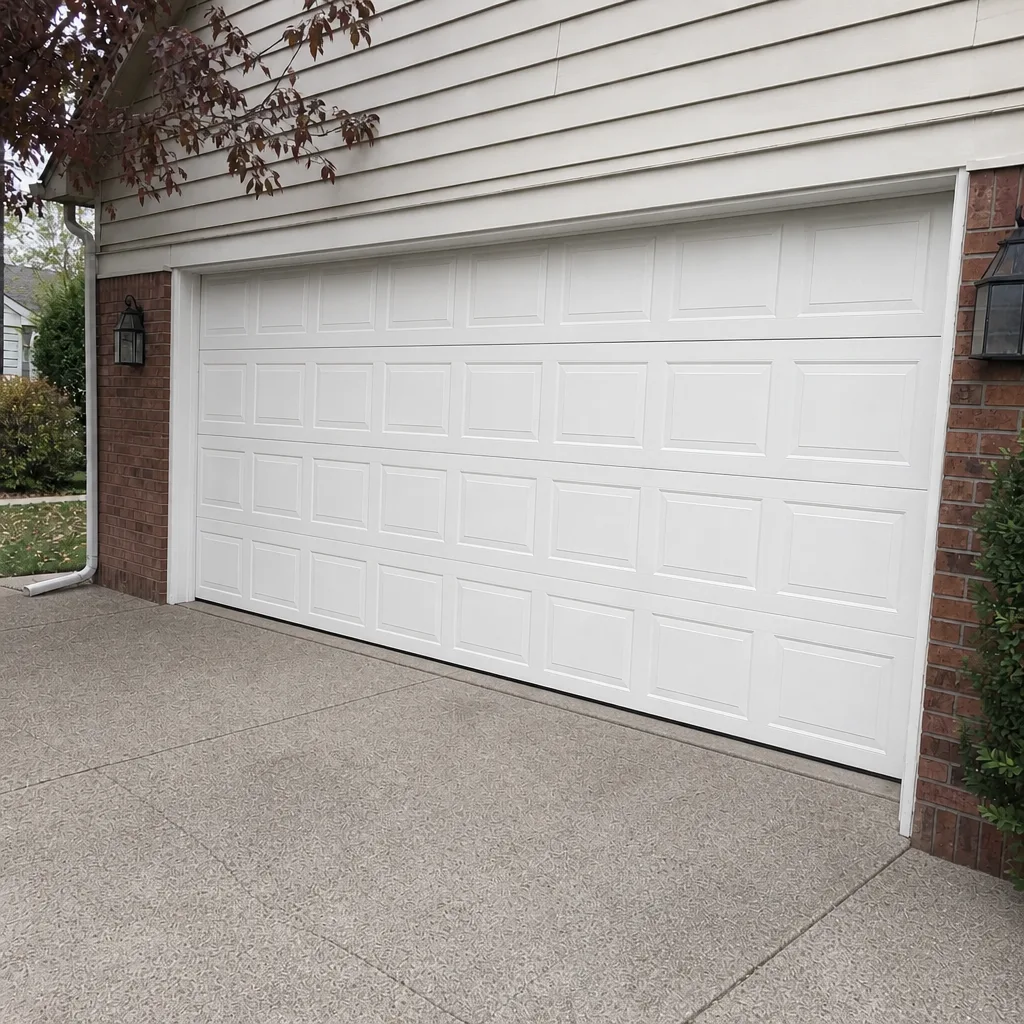
See the difference
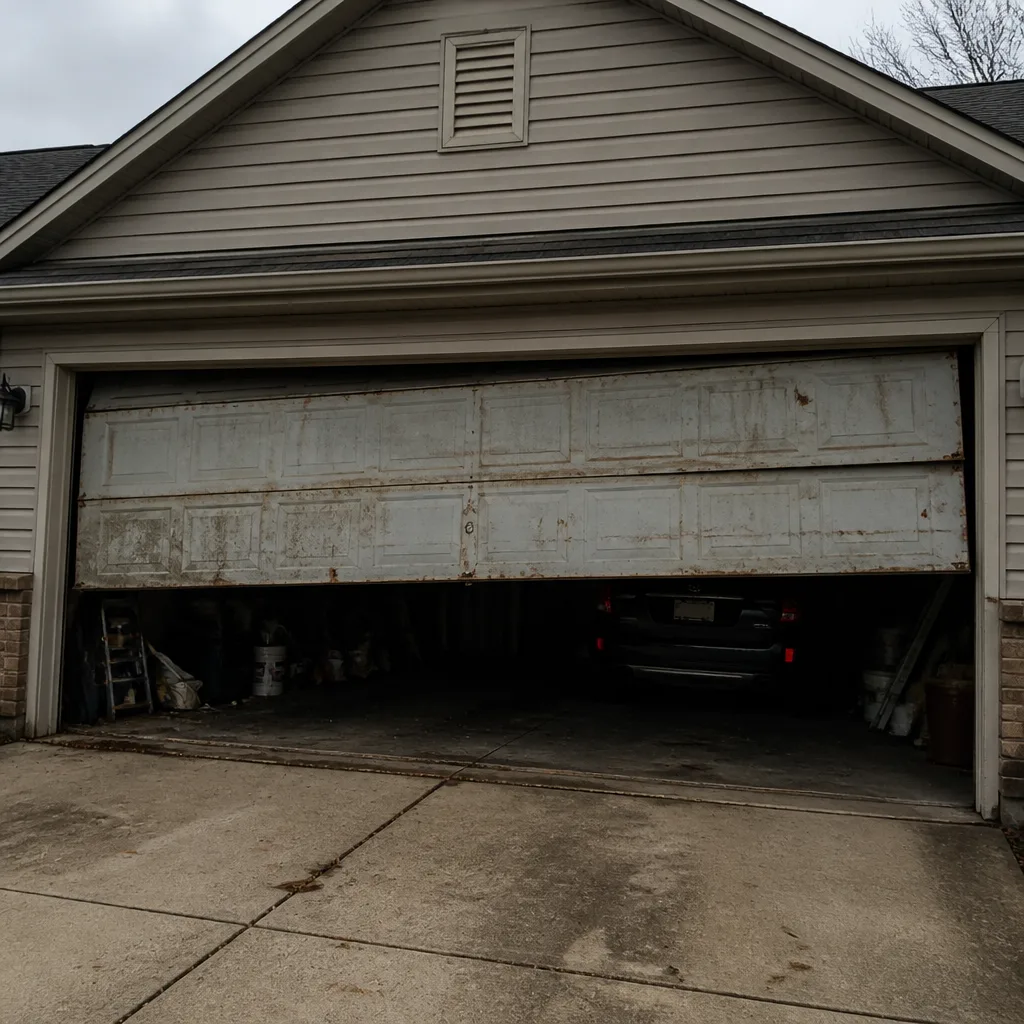 Before
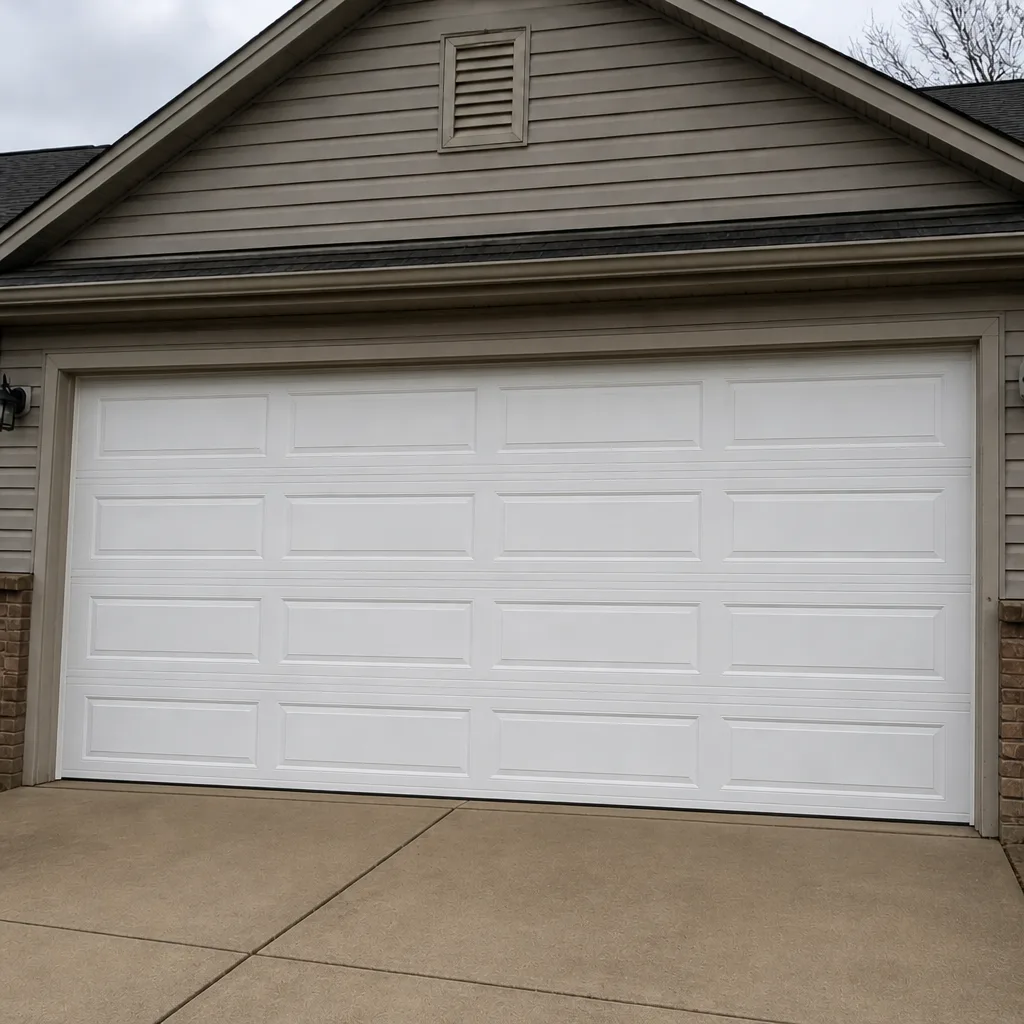 After
 Before
 After
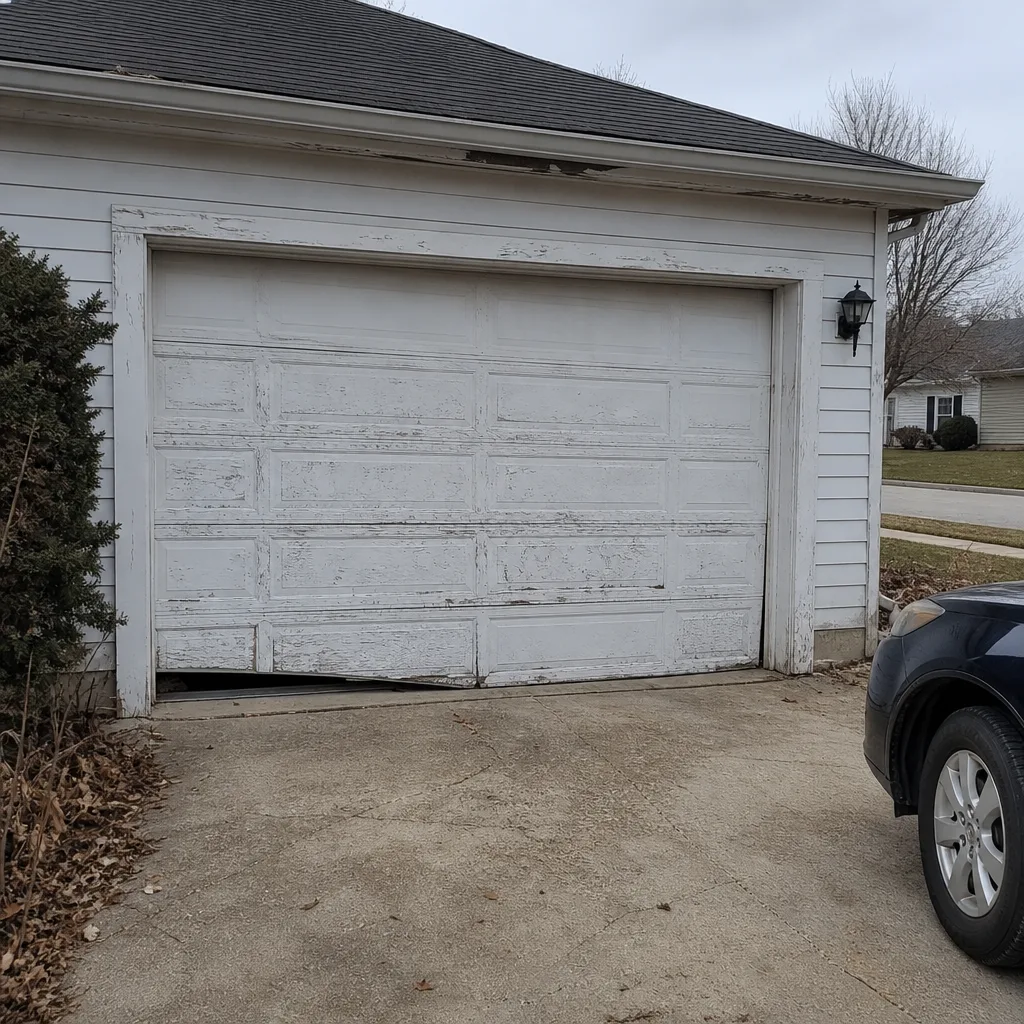 Before
 After
When to Call a Professional
Some garage door jobs are genuinely do-it-yourself territory – replacing a light bulb on the opener, wiping down a track, tightening a loose bracket. Once you’re replacing a door, changing an opener, or touching the springs, that’s a different category. Springs are the most dangerous component in your garage door system, and they fail with enough force to cause real injury. Doors in a domestic installation weigh into the hundreds of pounds. The tools and procedures for both are specific, and they’re not the same as general handyman work.
Call a professional when you’re replacing a door, replacing an opener, dealing with a spring that has failed, or dealing with a stuck door that won’t budge. Plainfield Garage Door Repair Experts offers free estimates in Plainfield – call (866) 371-6990. We answer 24/7. Fast dispatch from 7am to 7pm, Sunday through Friday. If a door has failed and it’s creating a security issue, that’s the right time to call.
If you’re at the planning stage – picking out a door, comparing wind load specs, or deciding whether you need a permit – that’s also a good time to call. We can tell you what the installation will involve and connect you to the local professional who’ll do the work.
Frequently Asked Questions
In most cases, a like-for-like replacement (same size, same weight, same material, same wind load rating) is treated as maintenance and doesn’t require a permit. If you’re changing the size, weight, material, or framing, the work generally requires a permit from the Town of Plainfield Building Department. Call the Building Department with the specs before you order a door – that’s the definitive answer, and it’s a short conversation.
Opener replacement is almost always maintenance and doesn’t require a permit, even when you’re switching from one brand to another. The exception is when the opener installation requires structural work – new framing, a different mounting point, or alterations to a header. In those cases, treat it like a permitted repair and confirm with the Town of Plainfield Building Department. Replacing a Genie opener with a similar unit is maintenance. Re-framing the ceiling to fit a new opener isn’t.
Indiana’s residential building code requires a fire separation between an attached garage and the living space – a rated separation on the wall, ceiling, and the door between them. The interior door needs to carry a fire rating and self-close. When garage door work involves opening the wall above the door for framing or header replacement, the wall needs to be restored to its rated standard as part of the job. That’s a code requirement, not an upgrade, and it’s part of what a permit covers.
The wind load rating depends on the door’s size, the building’s exposure, and the opening’s location on the structure. Indiana’s code sets the minimum for new installations, and the door’s manufacturer publishes its rating. Ask for the rating in writing before you order. A door installed with a rating below the code requirement is an unprotected opening, and it can affect an insurance claim if wind-driven damage follows. If you’re not sure of the required rating for your opening, the Town of Plainfield Building Department can confirm what applies.
No, HOA rules don’t override town code – but they can be stricter. The Building Department sets the minimum for structural safety. The HOA’s architectural review committee sets additional requirements for appearance, and those can include door style, color, window pattern, and how quickly the approval process needs to be submitted. Both requirements apply. If your neighborhood has an architectural review committee, get the door spec approved in writing before you order.
Unpermitted work can narrow what your insurer covers, though it rarely voids a claim outright. The insurer will ask whether the unpermitted work contributed to the damage – and if a door with the wrong wind load rating let in water, or a compromised fire separation is part of a fire claim, that question matters. A permit record answers the question before it’s asked. If you already have an open claim, talk to your adjuster about what documentation they need.
The Bottom Line
The permit question for garage door work in Plainfield isn’t complicated once you know where the line is: maintenance stays maintenance, and anything that changes the door’s specs or the building around it goes through the Building Department. The wind load rating, the fire separation wall, and the HOA approval are the three details that catch people, and each one is settled with a phone call before the work starts rather than after. Get the permit when it’s needed. Keep the documentation. Ask the contractor what they’ll leave behind. Do that, and the door you install today is the door that passes an inspection years from now – whether that inspector is from the town or from a buyer’s lender.
Contact Us
Plainfield Garage Door Repair Experts handles the full garage door system – springs, openers, cables, tracks, and full door installations – for homeowners in Plainfield and the surrounding area. We work across the eight major residential brands, including Genie, Chamberlain, LiftMaster, Clopay, Amarr, Wayne Dalton, Craftsman, and Raynor, and we can work on both the door and the mechanical opener system. Our technicians have up to 10 years of experience. Call (866) 371-6990 for a free estimate. We answer 24/7. Fast dispatch from 7am to 7pm, Sunday through Friday. If a door has failed and it’s a security concern, call – that’s what emergency service is for.
Written by the team at Plainfield Garage Door Repair Experts.